Toallas de playa de algodón versus microfibra: la guía completa sobre absorbencia y rendimiento de secado rápido
Respuesta rápida: toallas de playa de algodón o de microfibra
toallas de playa de algodón Ofrecen una comodidad suave y lujosa con una absorción profunda, lo que los hace perfectos para uso doméstico y de lujo. Mientras tanto, toallas de playa de microfibra Se seca entre 3 y 5 veces más rápido, se empaqueta en tamaños más pequeños y se sacude la arena fácilmente, lo cual es ideal para viajes y deportes. Por tanto, tu elección depende de si valoras la comodidad o el rendimiento.
Toallas de playa de algodón versus microfibra: absorbencia y secado rápido de un vistazo
| Característica | Toallas de playa de algodón | Toallas de playa de microfibra |
|---|---|---|
| Tiempo de secado | 7-8 horas en interior; 8-12 horas de secado al aire | 3-4 horas en interior; 2-3 horas de secado al aire (30-50% más rápido) |
| Absorbencia | Altamente absorbente; atrae el agua profundamente hacia las fibras | Sostiene varias veces su peso; alta tasa de absorción |
| Peso | Más pesado y voluminoso (400-600 GSM típico) | Ligero y compacto (200-350 GSM típico) |
| Resistencia a la arena | Los bucles de rizo atrapan la arena fácilmente. | El tejido plano elimina la arena rápidamente |
| Sentir | Suave, lujoso, natural, lujoso. | Sensación moderna, suave y ligeramente resbaladiza |
| Mejor para | Hoteles, resorts, piscinas en casa, confort de lujo. | Viajes, deportes, camping, comercio electrónico, gimnasios. |
| Gama de precios | Presupuesto a prima ($10-$50+) | De gama media a premium ($15-$40) |
| Impacto ecológico | Natural pero requiere mucha agua para crecer. | Sintético; puede arrojar microplásticos |
🔑 Conclusiones clave para la compra inteligente de toallas de playa
- Elige algodón si desea esa sensación suave y esponjosa estilo hotel y no le importa esperar más para que las toallas se sequen por completo.
- Elige microfibra si viajas, vas al gimnasio o necesitas una toalla que se seque súper rápido y ocupe menos espacio en tu bolso.
- ¡La arena importa! El tejido plano de la microfibra resiste naturalmente la arena, mientras que los bucles de felpa de algodón pueden atrapar la arena de la playa de manera obstinada.
- Ambos funcionan muy bien para secarse después de nadar; la principal diferencia es la rapidez con la que están listos para usarse nuevamente después.
¿Cuál es la diferencia entre las toallas de playa de algodón y de microfibra?
Cuando estás comprando toallas de playa, notarás dos tipos principales de materiales: algodón y microfibra. Además, comprender las diferencias básicas le ayudará a elegir la toalla adecuada a sus necesidades.
Algodón Es una fibra natural que proviene de las plantas de algodón. En consecuencia, se ha utilizado para toallas durante cientos de años. Además, las fibras de algodón en realidad absorben agua. en la fibra misma, que crea esa sensación de secado tradicional y lujosa que todos conocemos y amamos. Además, cuando te envuelves en un toalla de playa de algodón, los bucles de felpa eliminan profundamente la humedad de la piel.

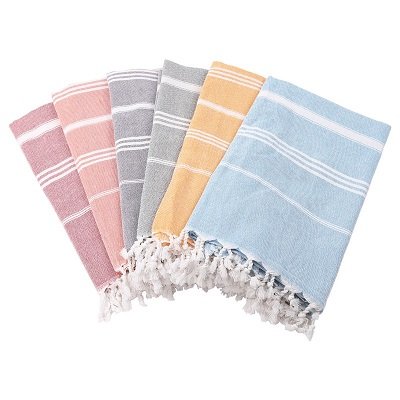
Por otro lado, microfibra Es una mezcla sintética, generalmente hecha de poliéster y poliamida (nylon). En lugar de absorber agua en las fibras, la microfibra trampas agua entre sus finísimas fibras. Como resultado, este diseño ayuda a que las toallas de microfibra se sequen mucho más rápido que las de algodón. Además, se vuelven más ligeros y compactos, lo que los hace perfectos para guardar en maletas o bolsas de deporte.
De acuerdo a Guía de compra de toallas de REI, la tecnología de microfibra ha transformado la forma en que los viajeros y entusiastas de las actividades al aire libre piensan sobre el rendimiento de las toallas. De manera similar, nuestro toallas de playa de microfibra Utilice este material avanzado para ofrecer beneficios de secado rápido sin sacrificar la absorbencia.
Absorbencia: ¿Cuánta agua puede contener el algodón frente a la microfibra?
La absorbencia es una de las características más importantes de cualquier toalla de playa. Después de todo, ¡nadie quiere quedarse mojado después de nadar! Por lo tanto, comparemos cómo las toallas de playa de algodón y microfibra manejan la absorción de agua.
La absorción profunda de agua del algodón
Alta calidad felpa de algodón Tiene una capacidad de humedad muy alta. De hecho, el algodón a menudo se considera más absorbente para el secado corporal porque atrae el agua profundamente hacia el pelo. Cuando presionas una toalla de algodón contra tu piel, las fibras naturales absorben agua inmediatamente y la retienen dentro de la estructura del hilo.
Por ejemplo, una toalla de playa gruesa de algodón con 500-600 GSM (gramos por metro cuadrado) puede absorber y retener grandes cantidades de agua. Además, esto hace que las toallas de algodón se sientan sustanciales y lujosas cuando te estás secando. Además, la construcción de felpa con bucles crea más superficie, lo que aumenta la capacidad de la toalla para extraer la humedad de la piel.
“Las propiedades hidrofílicas naturales del algodón lo hacen excepcionalmente bueno para absorber la humedad directamente en la estructura de la fibra, creando esa sensación clásica de suavidad y sequedad que asociamos con las toallas de primera calidad.” – Revista de investigación textil
Captura de agua eficiente de la microfibra
Mientras que el algodón absorbe agua en sus fibras, la microfibra funciona de manera diferente. Específicamente, la microfibra puede contener varias veces su propio peso en agua. Además, tiene un alto “tasa de absorbencia,” lo que significa que recoge agua de forma rápida y eficaz, especialmente de la piel suave.
El secreto está en las fibras ultrafinas. En particular, estas diminutas fibras crean millones de pequeños espacios que atrapan el agua mediante acción capilar. En consecuencia, cuando se utiliza un toalla de playa de microfibra, elimina la humedad rápidamente con solo un ligero toque. Como lo señaló Revista Mundial de Natación, los nadadores competitivos prefieren la microfibra porque elimina el agua de la piel más rápido entre carreras.
Rendimiento de absorbencia en el mundo real
Entonces, ¿cuál funciona mejor en la playa? Honestamente, ambos materiales destacan por su absorbencia, pero se sienten diferentes:
- Para secado tradicional: El algodón te brinda esa experiencia familiar de felpa con una absorción profunda que se siente completamente seca.
- Para una eliminación rápida del agua: La microfibra elimina el agua de la piel más rápido y es necesario frotar menos.
- Para uso repetido: La microfibra mantiene mejor su absorción a lo largo del día porque se seca entre usos.
- Para niños y familias: El grosor del algodón proporciona más comodidad, mientras que la eficiencia de la microfibra significa que se dedica menos tiempo a secar a los niños activos.


Rendimiento de secado rápido: ¿Qué toalla de playa se seca más rápido?
La velocidad de secado de tu toalla de playa importa más de lo que piensas. Específicamente, las toallas mojadas que permanecen húmedas se convierten en caldo de cultivo para bacterias y moho. Además, generan olores desagradables y añaden peso extra a tu bolso de playa. Por lo tanto, el rendimiento de secado rápido es crucial para los materiales de las toallas de playa.
Tiempo de secado de la toalla de playa de algodón
Las pruebas muestran que las toallas de algodón tradicionales necesitan mucho más tiempo para secarse por completo. Por ejemplo, una toalla de playa normal de algodón podría necesitar 7-8 horas para secar en el interior o 8-12 horas cuando se seca al aire en condiciones típicas. Además, las toallas de algodón más gruesas y con mayor GSM tardan aún más en liberar toda su humedad.
Varios factores afectan el tiempo de secado del algodón:
- Espesor (GSM): Las toallas más pesadas retienen más agua y necesitan más tiempo para secarse por completo.
- Condiciones climáticas: La humedad y la temperatura afectan drásticamente la velocidad de secado del algodón.
- Circulación de aire: Las toallas de algodón necesitan un buen flujo de aire para liberar la humedad de forma eficaz.
- Tipo de tejido: toallas de playa turcas Utilice un tejido más plano que se seque más rápido que el algodón de felpa grueso.
La ventaja de la velocidad de la microfibra
¡Aquí es donde realmente brilla la microfibra! Las pruebas muestran que las toallas de microfibra se pueden secar en aproximadamente 30-50% del tiempo de una toalla de algodón normal. Específicamente, mientras que el algodón tarda entre 7 y 8 horas en el interior, la microfibra sólo necesita 3-4 horas en las mismas condiciones.
Además, algunas pruebas y revisiones de expertos indican que la microfibra puede secarse hasta 5 veces más rápido que el algodón en condiciones ideales. Como resultado, este rendimiento de secado rápido es la razón por la que la microfibra se ha vuelto tan popular para viajes y deportes. De acuerdo a Reseñas de productos de Travel + Leisure, los viajeros frecuentes consideran constantemente que el secado rápido es su principal prioridad en cuanto a toallas de playa.
“La posibilidad de empacar una toalla casi seca después de solo una o dos horas cambia todo para viajes a la playa de varios días y aventuras al aire libre.” – Equipo de pruebas de laboratorio de equipos para actividades al aire libre
Por qué es importante el secado rápido para su experiencia en la playa
Más allá de la comodidad, el rendimiento de secado rápido ofrece beneficios reales:
- Previene los olores: Un secado más rápido significa menos tiempo para que las bacterias crezcan y generen olores.
- Reduce el moho: El moho no se desarrolla tan fácilmente cuando las toallas se secan rápidamente entre usos.
- Embalaje más ligero: Puedes empacar una toalla de microfibra húmeda sin preocuparte de que todo se moje.
- Múltiples usos: Use su toalla por la mañana y séquela nuevamente por la tarde para nadar otra vez.
- Ahorro de energía: Menos tiempo en la secadora o no necesita secadora ahorra electricidad en casa.
Nuestro toallas refrescantes deportivas Aproveche las propiedades de secado rápido de la microfibra para brindar un alivio refrescante instantáneo durante los entrenamientos y las actividades al aire libre.
Resistencia a la arena y uso en exteriores
Si alguna vez sacudiste una toalla de algodón en la playa, ¡conoces la frustración de la arena que simplemente no se desprende! En consecuencia, la resistencia a la arena se ha convertido en un factor decisivo para muchos bañistas a la hora de elegir entre toallas de playa de algodón y microfibra.
Por qué el algodón atrapa la arena
Tradicional Los bucles de rizo de algodón pueden atrapar la arena fácilmente., lo que hace que las toallas se sientan más pesadas y arenosas. En particular, los bucles esponjosos que hacen que las toallas de algodón sean tan suaves y absorbentes también crean escondites perfectos para pequeñas partículas de arena. Además, una vez que la arena entra en los bucles, es necesario agitarla vigorosamente y, a menudo, realizar varios lavados para eliminarla por completo.
Esto es lo que sucede con el algodón en la playa:
- Las partículas de arena se alojan profundamente en los bucles de rizo y permanecen allí obstinadamente
- El algodón húmedo retiene la arena incluso con más firmeza que el algodón seco.
- Agitar ayuda, pero rara vez elimina toda la arena de las toallas de algodón.
- Luego, la arena se transfiere a su automóvil, su hogar y su lavadora.
La ventaja de la microfibra sin arena
Mientras tanto, muchas toallas de playa de microfibra utilizan un tejido plano o apretado eso hace que sea mucho más fácil sacudir la arena. De hecho, esto “sin arena” El efecto es un punto de venta clave para productos como nuestro toallas de playa sin arena. Además, la superficie lisa simplemente no deja que las partículas de arena se adhieran a ningún lugar.
Los beneficios de la microfibra de resistencia a la arena incluyen:
- Limpieza rápida: Unos cuantos batidos eliminan el 90 % o más de las partículas de arena inmediatamente.
- Menos desorden: Su automóvil y su hogar permanecen más limpios después de los viajes a la playa
- Mayor comodidad: No hay sensación de arenilla en la piel cuando usas la toalla.
- Mayor vida útil: Menos arena significa menos desgaste abrasivo de las fibras de la toalla con el tiempo.
Investigación de Informes del consumidor confirma que las toallas de microfibra de tejido plano obtienen puntuaciones significativamente más altas en las pruebas de liberación de arena en comparación con las toallas de felpa de algodón tradicionales.

Mejores prácticas para el manejo de arena
Independientemente del material que elijas, aquí tienes algunos consejos para minimizar los problemas de arena:
- Agita tu toalla antes de sentarte para quitar la arena suelta de la superficie.
- Para toallas de algodón, cuélguelas para que se sequen antes de agitarlas para liberar mejor la arena atrapada.
- Guarde las toallas en una bolsa de malla que permita que caiga la arena.
- Considere mantener una toalla separada para sentarse en lugar de secarse.
- Enjuague las toallas con agua dulce antes de empacarlas para el viaje a casa.
Grosor, peso y capacidad de embalaje en la playa
¿Cuánto espacio ocupa tu toalla de playa? Esta pregunta es más importante que nunca, ya que las aerolíneas cobran por el equipaje y los viajeros buscan llevar equipaje más ligero. Por lo tanto, comprender las diferencias de grosor y peso entre las toallas de playa de algodón y de microfibra le ayudará a tomar decisiones más inteligentes.
Toallas de playa de algodón: lujosas pero voluminosas
Las toallas de playa de algodón suelen ser más voluminoso y pesado que sus homólogos de microfibra. En concreto, ofrecen un cojín más grueso sobre la arena, que proporciona comodidad cuando estás tumbado al sol. Sin embargo, esto tiene el coste de ocupar más espacio en bolsos y equipaje.
Una toalla de playa típica de algodón pesa entre 400 y 600 g/m2 (gramos por metro cuadrado). Por ejemplo, una toalla de playa grande de algodón de 30″ x60″ Puede pesar entre 1,5 y 2,5 libras cuando está seco. Además, cuando está mojado, el algodón puede volverse mucho más pesado porque absorbe mucha agua en sus fibras.
Consideraciones sobre toallas de algodón para empacar:
- Espacio maleta: Las toallas de algodón pueden ocupar 1/4 de un bolso de mano o más.
- Límites de peso: Varias toallas de algodón añaden un peso considerable al equipaje facturado
- Capacidad de la bolsa de playa: Las toallas gruesas de algodón llenan las bolsas rápidamente, dejando menos espacio para otros artículos.
- Compensación de comodidad: El volumen extra proporciona amortiguación y calidez, algo que algunas personas prefieren
Toallas de playa de microfibra: compactas y aptas para viajes
Por el contrario, las toallas de playa de microfibra son ligero y compactoy se pueden doblar hasta alcanzar una fracción del tamaño de una toalla de algodón de tamaño similar. En consecuencia, esto los hace mucho más fáciles para viajar, usar gimnasios y realizar envíos de comercio electrónico. Además, la microfibra suele pesar entre 200 y 350 GSM y, al mismo tiempo, proporciona una excelente absorbencia.
Por ejemplo, una toalla de playa grande de microfibra del mismo tamaño 30″ x60″ El tamaño puede pesar sólo entre 10 y 14 onzas (menos de una libra). Además, muchas toallas de microfibra vienen con bolsas de transporte compactas que las comprimen aún más. Como lo destaca Revista para mochileros, esta capacidad de empaquetamiento hace que la microfibra sea la mejor opción para mochileros y viajeros minimalistas.
Ventajas de la microfibra para los viajeros:
- Ahorro de espacio: Ocupa entre un 50 y un 70 % menos de espacio que las toallas de algodón equivalentes.
- Opción multitoalla: Puedes empacar de 2 a 3 toallas de microfibra en el espacio de una toalla de algodón.
- Uso versátil: Perfecto para playa, gimnasio, camping y deportes en un solo viaje.
- Fácil almacenamiento: Cabe fácilmente en mochilas, bolsos de día e incluso bolsos grandes.
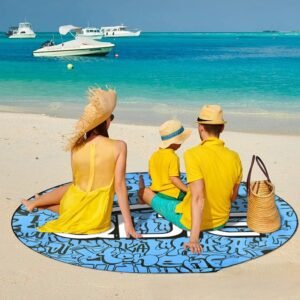
Nuestro toallas de playa redondas Vienen en ambos materiales, lo que permite a los clientes elegir en función de sus prioridades de espacio y comodidad.
Comodidad, Sensación y Apariencia en la Piel
Más allá de las especificaciones de rendimiento, ¿cómo funciona realmente cada material? sentir cuando lo usas? La comodidad es muy personal, pero ciertos patrones emergen constantemente en los comentarios de los clientes. Por lo tanto, exploremos la experiencia táctil de las toallas de playa de algodón versus las de microfibra.
La suavidad natural del algodón
Las toallas de algodón son Ampliamente preferido por su sensación suave, lujosa y natural. y transpirabilidad. De hecho, la mayoría de las personas describen envolverse en una toalla de algodón como algo reconfortante y familiar. Además, el algodón tiende a volverse más suave con el tiempo con el cuidado adecuado, lo que hace que las toallas de algodón viejas a menudo se sientan más lujosas que las nuevas.
¿Qué hace que el algodón se sienta tan bien?
- Fibras naturales: El algodón es suave para todo tipo de piel, incluida la piel sensible.
- Transpirabilidad: El algodón permite la circulación del aire, evitando esa sensación pegajosa.
- Regulación de temperatura: El algodón se adapta naturalmente a la temperatura corporal.
- Textura de felpa: La construcción de felpa en bucle crea una experiencia acolchada similar a la de un spa.
- Atractivo tradicional: Muchas personas simplemente prefieren la clásica sensación de toalla de algodón con la que crecieron.
Nuestra prima toallas de playa de algodón Utilice algodón de fibra larga de alta calidad que brinde una suavidad excepcional desde el primer uso. Además, los hoteles, complejos turísticos y spas eligen sistemáticamente el algodón porque los huéspedes lo asocian con lujo y atención de calidad.
La sensación moderna de la microfibra
Las toallas de microfibra pueden sentir ligeramente diferente o “mancha” debido al hilo sintético. Sin embargo, las construcciones modernas son cada vez más suaves y pueden resultar cómodas sin dejar de ser muy ligeras. Además, si bien la microfibra no replica la esponjosidad del algodón, ofrece su propia textura suave y única.
Entendiendo la comodidad de la microfibra:
- Superficie lisa: Se desliza fácilmente sobre la piel sin fricción ni roce.
- Diseños mejorados: Las toallas de microfibra más nuevas se sienten mucho más suaves que las generaciones anteriores
- Calidad similar al ante: La microfibra premium puede tener una agradable sensación de ante o gamuza.
- Menos voluminoso: Algunas personas prefieren la sensación elegante y moderna a las gruesas rizos.
- Textura consistente: La microfibra mantiene su tacto durante toda su vida útil mejor que el algodón.
“La mayor sorpresa fue lo suave que se sentía la toalla de microfibra, nada que ver con las ásperas toallas de camping que recordaba de hace años. ¡La tecnología realmente ha mejorado!” – Opinión de cliente sobre nuestra colección de toallas de playa.
Atractivo visual y opciones de diseño
Ambos materiales aceptan colores y estampados maravillosamente, aunque muestran los diseños de manera diferente. Específicamente, la superficie texturizada del algodón crea profundidad y dimensión en los patrones, mientras que la superficie lisa de la microfibra produce estampados nítidos y vibrantes. En Fabricante de toallas de China, ofrecemos Impresión digital sin cantidad mínima de pedido., que permite impresionantes diseños personalizados tanto en toallas de algodón como de microfibra.
Durabilidad, cuidado y vida útil
Su toalla de playa representa una inversión y, naturalmente, desea que dure. Por lo tanto, comprender cómo cuidar las toallas de playa de algodón y las de microfibra, y conocer su vida útil esperada, le ayudará a obtener el mejor valor de su compra.
Durabilidad de la toalla de algodón
Las buenas toallas de algodón son duradero y puede soportar lavados repetidos cuando sigue las instrucciones de cuidado adecuadas. En particular, el algodón de alta calidad con tejido apretado y acabado adecuado puede durar varios años de uso regular. Sin embargo, el algodón enfrenta algunos desafíos de durabilidad con el tiempo.
Factores de durabilidad del algodón:
- Descomposición de las fibras naturales: Las fibras de algodón se debilitan gradualmente con el lavado y la exposición al sol.
- Sensibilidad a la humedad: Las toallas de algodón que se dejan húmedas son más propensas al moho, que daña las fibras.
- Pérdida de absorbencia: Con el tiempo, la acumulación de detergente puede reducir la absorbencia natural del algodón.
- Desvanecimiento del color: Los colores brillantes pueden desvanecerse más rápido que la microfibra, especialmente con el cloro o la exposición al sol.
- Potencial de contracción: El algodón puede encogerse entre un 3 % y un 5 % en los primeros lavados si no se encoge previamente.
A pesar de estas consideraciones, las toallas de algodón bien hechas suelen durar 2-5 años con el uso regular de la playa y el cuidado adecuado. Además, muchas toallas de algodón en realidad mejoran en suavidad durante el primer año de uso.
Longevidad de la toalla de microfibra
La microfibra es excepcionalmente duradero y resistente a muchos lavados porque las fibras sintéticas no se descomponen tan rápido como las naturales. Además, la microfibra mantiene su forma, color y características de rendimiento por más tiempo que el algodón en la mayoría de las condiciones. Sin embargo, un cuidado inadecuado puede dañar significativamente la microfibra.
Ventajas de la durabilidad de la microfibra:
- Fuerza sintética: Las fibras de poliéster son inherentemente más fuertes que el algodón.
- Retención de color: Los tintes sintéticos se adhieren de forma más permanente a la microfibra.
- Estabilidad de forma: La microfibra resiste mejor el estiramiento y la flacidez que el algodón.
- Resistencia al moho: Las propiedades de secado rápido previenen el daño por humedad.
- Resistencia a la abrasión: Aguanta bien la arena y las superficies rugosas.
Con el cuidado adecuado, las toallas de microfibra de calidad pueden durar 5-10 años o más, lo que los hace excepcionalmente rentables con el tiempo.
Instrucciones de cuidado para toallas de playa de algodón
Para maximizar la vida útil de su toalla de algodón, siga estas pautas de cuidado:
- Lavar en agua tibia: El agua tibia o caliente desinfecta el algodón de manera efectiva sin dañarlo.
- Utilice un detergente suave: Evite los productos químicos agresivos que descomponen las fibras naturales.
- Saltar suavizante de telas: Si bien es tentador, el suavizante recubre las fibras y reduce la absorbencia con el tiempo.
- Secar en secadora a temperatura media: El algodón soporta bien el calor de la secadora; el calor alto está bien ocasionalmente
- Secar completamente: Nunca guardes toallas de algodón húmedas, ya que esto promueve el crecimiento de moho.
- Agitar antes de lavar: Retire la arena y los escombros para evitar daños a la lavadora.
- Lavar por separado inicialmente: Las toallas de algodón nuevas pueden soltar pelusas y tintes en los primeros lavados
Instrucciones de cuidado para toallas de playa de microfibra
La microfibra requiere cuidados ligeramente diferentes para mantener su rendimiento:
- Lavar en agua fría o tibia: El agua caliente puede dañar las fibras sintéticas y reducir el rendimiento.
- Nunca use suavizante de telas: ¡Esto es crítico! El suavizante obstruye los pequeños espacios de la microfibra
- Solo secado a baja temperatura: El calor elevado derrite o daña la microfibra de forma permanente
- Secar al aire cuando sea posible: La microfibra se seca tan rápido que es práctico secar al aire.
- Evite la lejía: El blanqueador con cloro degrada rápidamente las fibras sintéticas
- Lavar con tejidos similares: La pelusa de algodón puede obstruir los espacios de absorción de la microfibra.
De acuerdo a Laboratorio de limpieza de Good Housekeeping, seguir estas instrucciones de cuidado puede duplicar o triplicar la vida útil efectiva de su toalla de microfibra.
Consideraciones ecológicas y de sostenibilidad para el algodón frente a la microfibra
A medida que más consumidores se preocupan por el impacto ambiental, comprender la sostenibilidad de los materiales de las toallas de playa se vuelve cada vez más importante. Por lo tanto, examinemos honestamente la huella ecológica de las toallas de playa de algodón y microfibra.
Perfil ambiental del algodón
Algodón convencional Es una fibra natural y biodegradable, lo que suena genial a primera vista. Sin embargo, puede tener un alto uso de agua y pesticidas durante el cultivo. De hecho, el cultivo de algodón representa aproximadamente el 2,6% del uso mundial de agua, según investigación del Fondo Mundial para la Naturaleza.
Consideraciones sobre la sostenibilidad del algodón:
- Intenso en agua: El algodón tradicional requiere entre 10.000 y 20.000 litros de agua por kilogramo
- Uso de pesticidas: El cultivo de algodón convencional utiliza importantes pesticidas y fertilizantes químicos.
- Requisitos del terreno: El cultivo de algodón ocupa grandes superficies agrícolas a nivel mundial
- Biodegradabilidad: El algodón se descompone naturalmente al final de su vida (¡una gran ventaja!)
- Recurso renovable: El algodón es un material renovable de origen vegetal.
- Impacto del lavado: El algodón requiere más agua y energía para el lavado debido a su absorbencia
¿La buena noticia? Programas de algodón orgánico y Better Cotton pretenden reducir significativamente el impacto ambiental. En Favor Houseware, obtenemos opciones de algodón sostenible certificado que utilizan:
- Reducción de agua mediante sistemas de riego por goteo
- Sin pesticidas ni fertilizantes sintéticos.
- Prácticas de salud del suelo que secuestran carbono
- Prácticas laborales justas para los productores de algodón
Los desafíos ambientales de la microfibra
Usos de la microfibra fibras sintéticas derivadas de petroquímicos, lo que crea diferentes preocupaciones ambientales. Además, la microfibra puede liberar microplásticos durante el lavado, lo que supone un problema medioambiental cada vez mayor. Sin embargo, el panorama no es del todo negativo.
Factores de sostenibilidad de la microfibra:
- A base de petróleo: Fabricado a partir de recursos de combustibles fósiles no renovables.
- Derramamiento de microplásticos: Pequeñas fibras de plástico se liberan durante el lavado y entran en las vías fluviales.
- No biodegradable: Tarda cientos de años en descomponerse en los vertederos
- Energía de producción: La fabricación de fibras sintéticas requiere una gran cantidad de energía
- Beneficio de durabilidad: Una vida útil más larga significa un reemplazo menos frecuente (reduce el desperdicio)
- Eficiencia de lavado: Requiere menos agua y energía para limpieza y secado.
Los avances positivos en la sostenibilidad de la microfibra incluyen:
- Poliéster reciclado: Algunas marcas ahora utilizan botellas de plástico recicladas para la producción de microfibras.
- Fabricación mejorada: Los procesos modernos reducen el consumo de energía y las emisiones.
- Filtros de microfibra: Los filtros de las lavadoras pueden capturar más del 90% de la liberación de microplásticos
- Programas de reciclaje: Algunas instalaciones ahora aceptan textiles sintéticos viejos para su reciclaje.
Hacer una elección consciente del medio ambiente
Ninguno de los materiales es perfecto desde el punto de vista medioambiental. Por lo tanto, considere estos factores al tomar una decisión ecológica:
- Elegir Algodón orgánico o mejor si prefieres materiales naturales
- Seleccionar microfibra reciclada para reducir la dependencia del petróleo
- Compre toallas de calidad que duren más en lugar de toallas baratas que reemplazará con frecuencia
- Utilice un bolsa de filtro de microfibra (como Guppyfriend) al lavar toallas sintéticas
- Cuide sus toallas adecuadamente para maximizar su vida útil independientemente del material
- Considere su patrón de uso: la eficiencia de la microfibra puede compensar su naturaleza sintética para los viajeros frecuentes
En Favorecer artículos para el hogar, contamos con OEKO-TEX 100, BSCI y otras certificaciones que garantizan que nuestros procesos de fabricación minimicen el daño ambiental de ambos materiales.
¿Qué material es mejor para los diferentes compradores de toallas de playa?
Ahora que hemos cubierto todos los detalles técnicos, hablemos de aplicaciones del mundo real. Por tanto, ¿quién debería comprar algodón y quién debería elegir toallas de playa de microfibra? La respuesta depende enteramente de sus necesidades y prioridades específicas.
Las toallas de playa de algodón son perfectas para:
Familias, hoteles y resorts A menudo elige toallas de playa de algodón con mayor contenido de GSM para obtener una sensación lujosa en las manos y un excelente rendimiento de secado del cuerpo. Específicamente, cuando lo más importante es la comodidad y la experiencia del huésped, el algodón ofrece la calidad premium similar a la de un spa que la gente espera.
Elige algodón si eres:
- Compradores de hoteles o resorts: Cotton crea la experiencia de lujo que los huéspedes pagan y recuerdan
- Propietarios de piscinas: Uso junto a la piscina en casa, donde el transporte no es un problema y la comodidad es la prioridad
- Centros de spa y bienestar: La suavidad natural del algodón mejora la experiencia de relajación.
- Compradores de regalos: Las toallas de algodón se sienten más sustanciales y se pueden regalar en ocasiones especiales.
- Usuarios que priorizan la comodidad: Cualquiera que valore esa clásica sensación de toalla de felpa por encima de todo.
- Personas sensibles a las alergias: Las fibras naturales funcionan mejor para algunas personas con sensibilidad cutánea.
- Bañistas locales: Viajes cortos en los que después podrás secar fácilmente las toallas en casa.
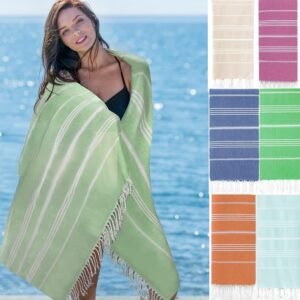
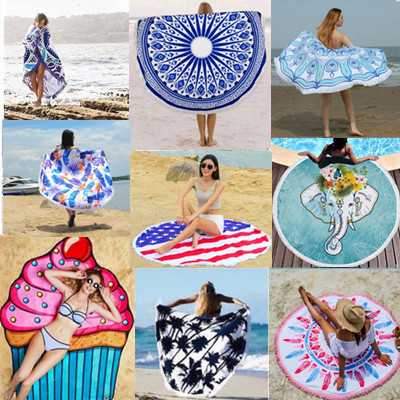
Nuestro toallas de playa turcas ofrecen un término medio: brindan la sensación natural del algodón con un secado más rápido que el rizo tradicional, lo que los hace versátiles para múltiples casos de uso.
Las toallas de playa de microfibra destacan por:
Marcas de viajes, deportes y comercio electrónico. A menudo eligen microfibra para un embalaje compacto y de secado rápido, resistencia a la arena y menor peso de envío, especialmente en destinos cálidos y húmedos. Además, los usuarios activos y los compradores prácticos aprecian los beneficios de rendimiento de la microfibra.
Elige microfibra si eres:
- Viajeros frecuentes: Mochileros, pasajeros de cruceros y cualquier persona con limitaciones de equipaje.
- Gimnasios y centros de fitness: El almacenamiento compacto y de secado rápido hace que la microfibra sea ideal para instalaciones deportivas.
- Amantes del camping y el senderismo: El equipo liviano que se seca durante la noche es esencial al aire libre
- Voleibol de playa y deportes acuáticos: El rendimiento sin arena cambia las reglas del juego para los atletas
- Vendedores de comercio electrónico: El menor peso y volumen de envío reducen significativamente los costos
- Viajes a la playa de varios días: Cuando necesita toallas listas para usar varias veces al día
- Climas húmedos: El secado rápido previene los problemas de moho comunes en las zonas tropicales.
- Estudiantes universitarios: El tamaño apto para dormitorios y su fácil cuidado hacen que la microfibra sea práctica para la vida estudiantil
Nuestro colección de microfibra incluye opciones optimizadas para diferentes casos de uso, desde viajes ultracompactos hasta mantas de playa de mayor tamaño.
Considere ambos materiales
Muchos compradores inteligentes no eligen entre algodón y microfibra: ¡se quedan con ambos! Por ejemplo, podrías usar toallas de algodón en la piscina de tu casa mientras empacas microfibra para tus viajes de vacaciones. De manera similar, las empresas pueden ofrecer ambos materiales para atender eficazmente a diferentes segmentos de clientes.
Cómo elegir: toalla de playa de algodón o microfibra para tu próxima colección
Ya sea que esté comprando para uso personal, abasteciendo una tienda minorista o realizando pedidos al por mayor para su negocio, tomar la decisión correcta requiere considerar múltiples factores. Por lo tanto, creemos un marco de decisión práctico.
Factores clave para comparar
Los compradores deben comparar material, GSM, tamaño, absorbencia, velocidad de secado, rendimiento de la arena, tacto y precio de acuerdo con sus clientes objetivo y escenarios de uso. Además, pensar dónde y cómo se utilizarán las toallas ayuda a elegir la mejor opción.
Empiece por hacer estas preguntas:
- ¿Cómo se transportarán las toallas? Los viajes de larga distancia prefieren la microfibra, mientras que el uso local permite el algodón.
- ¿Qué tan rápido deben secarse? Múltiples usos diarios requieren la velocidad de la microfibra.
- ¿Qué importa más: suavidad o rendimiento? Esto revela si el algodón o la microfibra se alinean mejor.
- ¿Será la arena un problema importante? Las playas de arena se benefician enormemente de la resistencia de la microfibra.
- ¿Cuál es el presupuesto por toalla? Ambos materiales ofrecen opciones a varios precios.
- ¿Cuánto tiempo deberían durar? La microfibra suele durar más que el algodón con el cuidado adecuado.
- ¿Son importantes las preocupaciones medioambientales? Ambos tienen pros y contras; Elija opciones certificadas.
Recomendaciones GSM por material
GSM (gramos por metro cuadrado) indica el peso y el grosor de la toalla. Esto es lo que recomendamos como fabricante de toallas de playa en China:
Para toallas de playa de algodón:
- 400-450 G/M: Algodón ligero, secado más rápido, bueno para climas cálidos
- 450-550 G/M: Peso de playa estándar, comodidad y absorbencia equilibradas.
- 550-650 G/M: Toallas gruesas de lujo, máxima sensación de felpa, secado más lento.
- 300-400 GSM turco: Alternativa de tejido plano que se seca más rápido que el rizo
Para toallas de playa de microfibra:
- 200-250 G/M: Toallas de viaje ultraligeras, las más compactas
- 250-300 G/M: Microfibra estándar, excelente equilibrio entre peso y absorción.
- 300-350 G/M: Microfibra de tacto premium, textura más suave y de secado rápido.
Opciones de personalización para su marca
Como un Fabricante de toallas de playa en China., puede guiar a los clientes sugiriendo algodón para una comodidad superior y microfibra para rendimiento y viajes. Además, al ofrecer GSM, tamaño e impresión personalizados según su mercado, ayuda a los clientes a tener éxito.
En Favor Houseware Co., Ltd., ofrecemos una personalización integral:
- Selección de materiales: Algodón, microfibra, algodón turco o mezclas
- Tamaños personalizados: Desde compacto 20″x40″ a gran tamaño 40″x70″ y más allá
- Impresión digital: Diseños a todo color SIN cantidad mínima de pedido
- Personalización de marca: Etiquetas tejidas, etiquetas impresas, embalajes personalizados.
- Opciones de color: Colores sólidos, patrones, degradados y combinación Pantone personalizada
- Tratamientos especiales: Acabados antibacterianos, procesamiento extra suave, protección UV.
Además, nuestro MOQ bajo de solo 100 piezas makes custom towels accessible for small businesses, boutiques, and growing brands—not just large corporations.
Frequently Asked Questions About Beach Towel Materials
Cotton beach towels are better if you want plush, natural softness and deep body-drying comfort, because cotton fibers absorb water into the pile. Meanwhile, microfiber is better if you want ultra-fast drying, lightweight packing and easier sand shake-off, since the fine synthetic fibers wick and release moisture quickly.
Yes, absolutely! Tests show microfiber towels often dry in about 30-50% of the time of a regular cotton towel. For example, microfiber needs 3-4 hours versus 7-8 hours indoors for cotton. Additionally, other reviews report microfiber air-drying in a couple of hours compared with 8-12 hours for cotton, especially in similar conditions.
For body-drying, high-quality cotton is widely considered more absorbent because its hydrophilic fibers pull water deep into the yarn, giving a very dry skin feel. However, microfiber can still hold several times its own weight and has a high absorbency rate, so it quickly picks up moisture and works well in performance towels.
Yes! Many microfiber beach towels use a flat, tight weave that makes it much easier to shake off sand compared with traditional cotton terry loops. In fact, this “sin arena” effect is one of the main reasons travelers and beach-goers choose microfiber, especially for compact travel towels. Check out our toallas de playa sin arena for the best performance.
Cotton beach towels are usually softer and plusher because of their natural fibers and looped terry construction. Moreover, they often become even softer with washing. Microfiber can feel slightly slick or different initially, but newer microfiber beach towels are designed to be soft while staying light and quick-dry.
Cotton is a natural, biodegradable fiber, but conventional cotton cultivation can be water- and pesticide-intensive. Therefore, certified or better-practice cotton is preferred for sustainability. Meanwhile, microfiber uses synthetic fibers that can shed microplastics during washing, though some brands are moving to recycled polyester yarns to reduce impact.
Microfiber is usually better for travel and sports because it is lightweight, compact and dries very fast. As a result, this allows repeated use in one day or on multi-day trips. Cotton is heavier and slower to dry, but it offers a more luxurious feel if luggage space and drying conditions are not a problem.
Many popular cotton beach towels for comfort sit in mid- to high-GSM ranges (450-600 GSM) that deliver plush thickness and strong absorbency but increase weight. In contrast, microfiber beach towels often use lower GSM (250-350 GSM) with very fine yarns, achieving strong absorbency and quick-dry performance while staying much lighter for packing.
Cotton towels usually tolerate warm washes and regular tumble drying, but they need full drying to avoid mildew because they hold more moisture. On the other hand, microfiber towels should be washed without fabric softener and dried on low to medium heat so the synthetic fibers keep their quick-dry and absorbent performance.
Yes! At Favorecer artículos para el hogar, we offer digital printing with NO minimum order quantity for custom designs on both materials. Furthermore, we can print your logo, artwork, or patterns on cotton or microfiber beach towels with vibrant, long-lasting colors. Our MOQ starts at just 100 pieces for bulk orders.
Why Choose Favor Houseware for Your Beach Towel Needs
With 15 years of manufacturing experience, Favor Houseware Co., Ltd. has become a trusted partner for businesses and individuals seeking high-quality beach towels. Located in Yiwu, Jinhua, Zhejiang Province, China, we combine traditional craftsmanship with modern technology to deliver exceptional products.
Our Manufacturing Advantages
- Premium materials: We source high-quality cotton yarn and advanced microfiber fabrics
- Imported weaving machines: State-of-the-art equipment ensures consistent quality
- Digital printing with no MOQ: Custom designs without minimum quantity restrictions
- Automatic sewing machines: Precise, durable stitching on every towel
- Strict quality inspection: Every towel is checked before packing and shipping
- Low MOQ (100 pieces): Accessible for small businesses and growing brands
- Fast delivery: Efficient production and shipping from our factory location
Our Product Range
We offer comprehensive beach towel options to meet every need:
- Toallas de playa de algodón – Classic luxury and comfort
- Toallas de playa de microfibra – Quick-dry performance
- Toallas de playa turcas – Lightweight cotton alternative
- Toallas de playa sin arena – Enhanced microfiber technology
- Toallas de playa redondas – Stylish designs in multiple materials
- Toallas refrescantes deportivas – Performance-focused microfiber
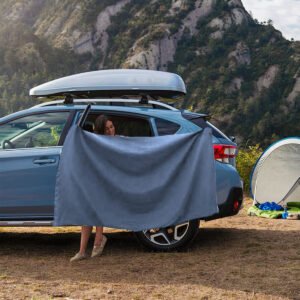
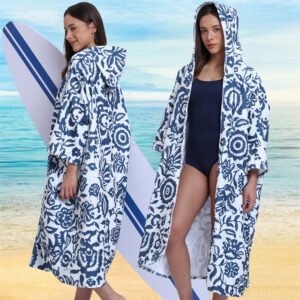
- Changing ponchos and surf robes
- Pet Towels – Specialized for animal care
Quality Certifications You Can Trust
We maintain the highest industry standards with certifications including:
- BSCI: Business Social Compliance Initiative for ethical manufacturing
- OEKO-TEX 100: Ensures textiles are free from harmful substances
- SGS: International inspection and certification
- FDA: Meets US food and safety standards where applicable
Our Commitment to Sustainability
We take our environmental responsibility seriously. Consequently, we implement eco-friendly manufacturing practices including:
- Sustainable and responsibly-sourced materials
- Water and energy conservation in production
- Waste reduction and recycling programs
- Options for organic cotton and recycled microfiber
- Minimal packaging and recyclable materials
Conclusion: Make the Right Choice for Your Beach Towel Needs
Choosing between cotton and microfiber beach towels doesn’t have to be complicated. In summary, cotton offers unbeatable softness, natural feel, and luxurious comfort—perfect for hotels, resorts, home pools, and anyone who values traditional plush quality. Meanwhile, microfiber delivers exceptional quick-dry performance, compact packability, and sand-free convenience—ideal for travelers, athletes, and practical-minded users.
The key factors to remember include:
- Absorbency: Both materials absorb well, but cotton pulls water deeper while microfiber wicks faster
- Quick-dry: Microfiber dries 3-5 times faster than cotton (3-4 hours vs 7-8 hours)
- Sand resistance: Microfiber’s flat weave naturally repels sand better than cotton terry
- Packability: Microfiber weighs 50-70% less and packs much smaller than cotton
- Comfort: Cotton provides that classic soft, plush feel people love
- Durabilidad: Microfiber often lasts longer (5-10 years vs 2-5 years for cotton)
- Sustainability: Both have environmental considerations; choose certified options
Ultimately, your decision should align with how and where you’ll use your beach towels most often. Moreover, many people find that owning both types serves different purposes perfectly—cotton for relaxed home use and microfiber for active adventures.
¿Listo para pedir tus toallas de playa perfectas?
Whether you need cotton luxury, microfiber performance, or custom designs that showcase your brand, Favor Houseware delivers exceptional quality with 15 years of expertise.
🎁 Free samples available (you only pay freight costs)
✅ Low MOQ starting at 100 pieces
🎨 Digital printing with no design MOQ
🚚 Fast delivery worldwide
🏆 BSCI, OEKO-TEX 100, SGS, FDA certified
About Favor Houseware Co., Ltd.
Located in Yiwu, Zhejiang Province, China, we are a qualified beach towel manufacturer with 15 years of industry experience. We specialize in custom and wholesale beach towels with personalized options including various sizes, colors, materials, and designs. Our commitment to quality, sustainability, and customer satisfaction has made us a trusted partner for businesses worldwide. Visit us at chinatowelmanufacturer.com to explore our complete product range and customization capabilities.
Vistas: 20