Actualizado en marzo de 2026 | 10 minutos de lectura | Por Favorecer artículos para el hogar Co., Ltd.
¿Estás planificando tu próximo viaje a la playa? Entonces probablemente hayas preguntado: ¿Qué toalla de playa es realmente la mejor? El algodón turco, la microfibra y el algodón normal tienen sus fans. Pero cada uno se comporta de manera muy diferente en la playa. En esta guía, desglosamos todo claramente. Al final, sabrá exactamente qué toalla se adapta a sus necesidades y por qué.
⚡ Conclusiones clave: algodón turco versus microfibra versus algodón normal
| Característica | Algodón turco | Microfibra | Algodón normal |
|---|---|---|---|
| Absorbencia | ✅ Bueno, equilibrado | ✅✅Muy alto | ✅✅Muy alto |
| Velocidad de secado | ✅ Rápido | ✅✅ Más rápido (~3× algodón) | ❌ Lento |
| Peso / Capacidad de embalaje | ✅ Luz & compacto | ✅✅ Más ligero | ❌ Pesado & voluminoso |
| Suavidad / Sensación | ✅✅ Suave, se vuelve más suave. | ⚠️ Ligeramente áspero | ✅ ✅ Lujosa sensación de hotel. |
| Liberación de arena | ✅✅ Batidos de tejido plano limpios | ✅ Bueno | ❌ Los bucles de Terry atrapan la arena |
| Respetuoso del medio ambiente | ✅ Fibra natural | ❌ Arroja microplásticos | ✅ Fibra natural |
| Mejor para | Playa, viajes, resort. | Viajes, deporte, camping. | Hogar, piscina, spa |
💡 Respuesta rápida: Para la mayoría de los viajes a la playa, un toalla de playa de algodón turco ofrece el mejor equilibrio general. Para viajes ultraligeros, microfibra gana. Para una sensación de lujo en casa y en la piscina, algodón normal entrega.
1. ¿Qué diferencia a las toallas de playa de algodón turco del algodón normal?
En primer lugar, no todo el algodón es igual. algodón turco Proviene de una fibra especial de fibras largas. Esto significa que cada hilo es más largo que los hilos de algodón estándar. Como resultado, la tela se siente más suave y dura más.
Fibra de fibras largas explicada de forma sencilla
Piénselo así: espaguetis largos versus espaguetis cortos. Las fibras largas se envuelven entre sí con más fuerza. Por tanto, el hilo se vuelve más fuerte. Además, la superficie de la toalla se siente sedosa, no áspera. Con el tiempo, un toalla de playa de algodón turco en realidad consigue más suave con cada lavado. Eso es un gran problema.
Además, el algodón turco crece principalmente en la región del Egeo en Turquía. El clima cálido y el suelo rico en minerales producen cápsulas de algodón extralargas. Esta geografía es importante para la calidad.
📌 Respuesta destacada: ¿Qué es el algodón turco?
algodón turco es una fibra de algodón de fibra larga que se cultiva en la región del Egeo de Turquía. Produce toallas que son:
- Más suave y terso que el algodón normal.
- Más duraderas: las fibras no se pelan ni se rompen fácilmente
- Más ligeras y de secado más rápido que las toallas de felpa estándar.
- Más absorbente con el tiempo a medida que las fibras florecen con el lavado.
¿Por qué las toallas turcas son tan finas?
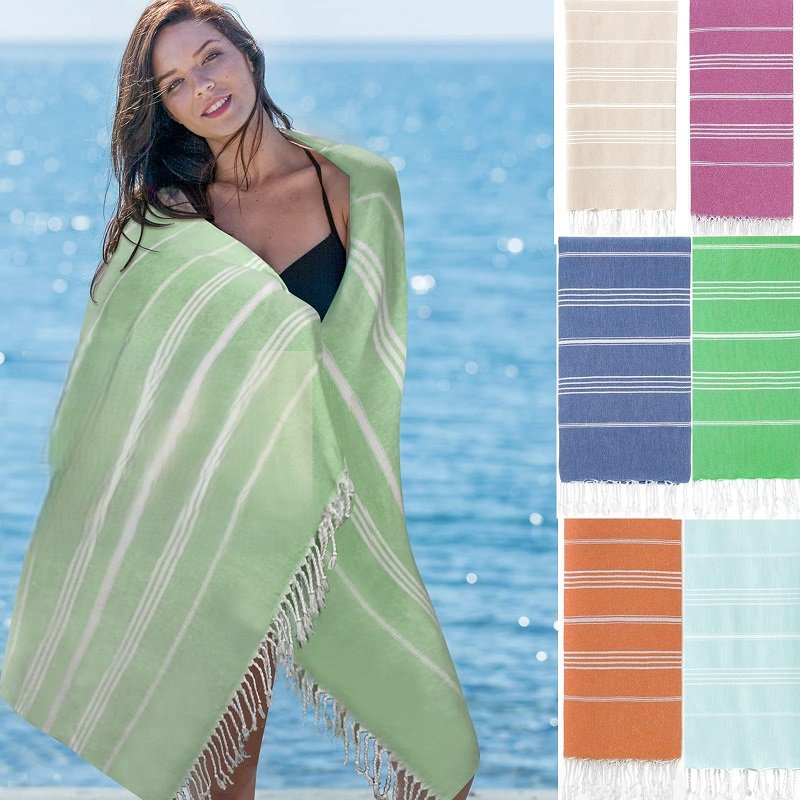
Mucha gente se pregunta: “¿Por qué mi toalla turca es tan fina en comparación con una toalla de baño normal?” La respuesta es sencilla. Las toallas de playa turcas se tejen en un tejido plano, llamado peshtemal tejer. Este estilo plano utiliza menos bucles que la toalla. Entonces la toalla es más fina y ligera. Sin embargo, sigue siendo totalmente absorbente.
Además, el tejido plano tiene una gran ventaja en la playa. La arena se sacude de inmediato. Los bucles de felpa, por el contrario, atrapan la arena como si fuera un velcro. Entonces, para la playa, delgada significa mejor.
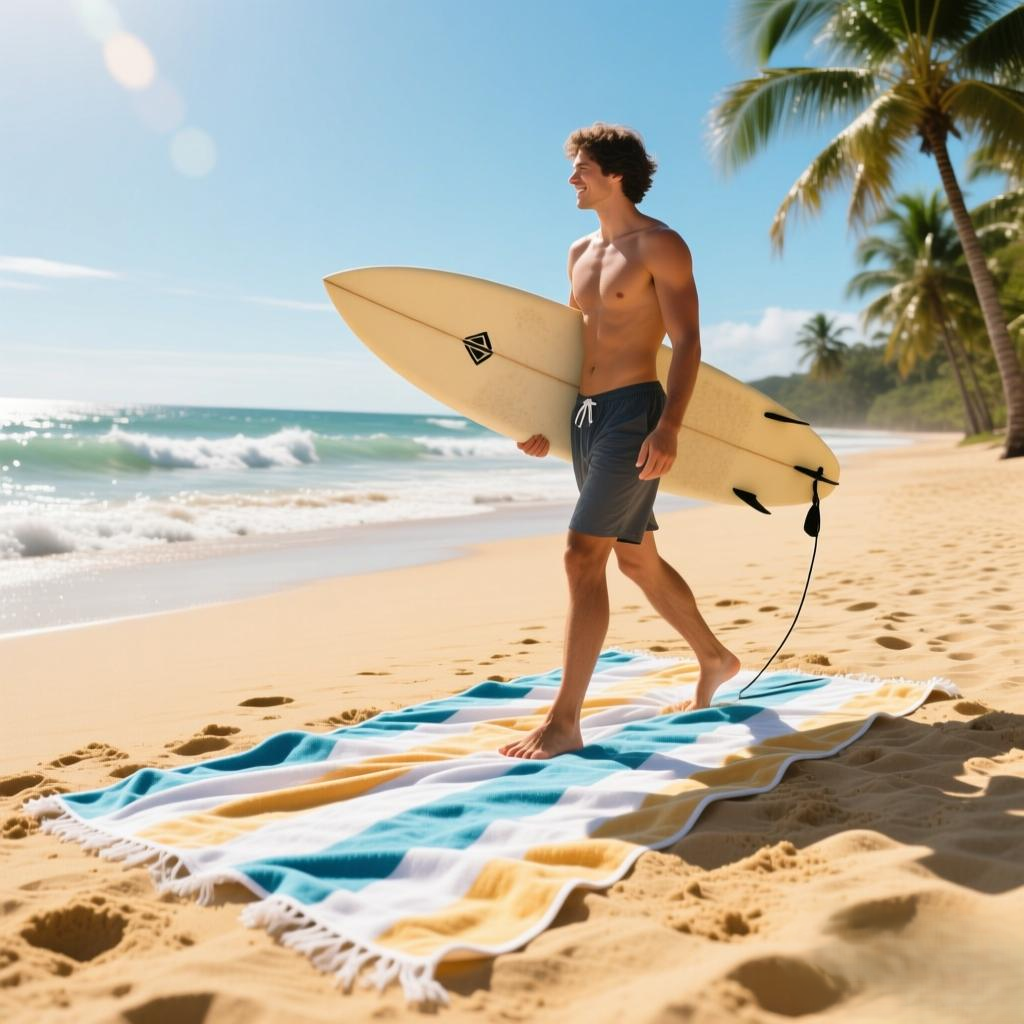
En general, una toalla de playa de algodón turco da en el clavo. Es lo suficientemente liviano como para transportarlo fácilmente. Es lo suficientemente absorbente como para secarte bien. Y también queda genial como pareo o pareo de playa. Puedes explorar nuestra gama completa de Toallas de playa turcas aquí..
2. Toallas de playa de microfibra: características principales, ventajas y desventajas
A continuación, hablemos de toallas de playa de microfibra. Están hechos de pequeñas fibras sintéticas, normalmente una mezcla de poliéster y poliamida. Cada fibra es más fina que un cabello humano. Debido a esto, la tela es increíblemente buena para absorber agua rápidamente.
¿Qué es realmente la microfibra?
La microfibra es un material sintético. Comenzó en los deportes y el fitness antes de pasar al mercado de la playa. Hoy en día, la microfibra aguanta aproximadamente 45,8% de la cuota de mercado mundial de toallas de playa a partir de 2024. Esa es la mayor proporción de cualquier material. Está claro que a mucha gente le encanta.
✅ Toalla de playa de microfibra — PROS
- Ultraligero — se pliega hasta alcanzar el tamaño de una camiseta
- Se seca hasta 3 veces más rápido que las toallas de algodón normales
- Extremadamente absorbente — absorbe varias veces su propio peso en agua
- Muy duradero — soporta bien el lavado frecuente
- Compacto para empacar — ideal para mochilas y equipaje de mano
- Asequible — precio generalmente más bajo que el del algodón turco
❌ Toalla de playa de microfibra – CONTRAS
- No tan suave — algunos usuarios sienten que es un poco áspero para la piel
- Menos transpirable — las fibras sintéticas no respiran como el algodón
- Derramamiento de microplásticos — libera pequeñas partículas de plástico cuando se lava
- Puede retener olores — especialmente en condiciones de playa húmeda
- Se adhiere a pelusas y partículas de arena. — la estática atrae los desechos
- Menos ecológico — derivados de petroquímicos
📌 Respuesta destacada: Ventajas y desventajas de las toallas de playa de microfibra de un vistazo
Ventajas: Ultraligero, compacto, se seca hasta 3 veces más rápido que el algodón, muy absorbente, duradero, ideal para viajes y deportes.
Contras: Menos suave que el algodón natural, no transpirable, desprende microplásticos, puede retener olores y es menos ecológico.
Entonces, es un toalla de playa de microfibra ¿correcto para ti? Depende de tus prioridades. Si la velocidad y la capacidad de empaquetamiento son claves, la microfibra es un claro ganador. Sin embargo, si te preocupan los materiales naturales y la comodidad de la piel, sigue leyendo.
Explore nuestra colección completa de toallas de playa de microfibra — disponible en tamaños, colores e impresiones personalizados para pedidos al por mayor.
3. Algodón turco frente a algodón normal: absorbencia, tiempo de secado, peso y sensación
Ahora, comparemos Algodón turco vs algodón normal juntos. Ambas son fibras naturales. Pero en la playa se comportan de manera muy diferente.
Tabla comparativa de rendimiento completa
| Característica | Toalla de playa de algodón turco | Toalla de playa normal de algodón | Toalla de playa de microfibra |
|---|---|---|---|
| Tipo de fibra | Algodón turco de fibra larga | Algodón estándar o mezclas | Mezcla de poliéster/poliamida |
| Absorbencia | Bueno, equilibrado | Muy alto: pesado cuando está mojado | Muy alto: absorbe varias veces su peso. |
| Velocidad de secado | Rápido | Lento: la pila gruesa retiene el agua | El más rápido: hasta 3 veces más rápido que el algodón |
| Peso / Capacidad de embalaje | Ligero, paquetes pequeños | Pesado y voluminoso | El más ligero y compacto |
| Sentir en la piel | Suave, se vuelve más suave con el tiempo. | Lujoso y espeso: sensación de hotel | Puede sentirse un poco áspero |
| Liberación de arena | El tejido plano sacude la arena fácilmente | Los bucles de Terry atrapan la arena. | A menudo se comercializa como resistente a la arena. |
| Perfil ecológico | Fibra natural, puede ser orgánica. | fibra natural | Sintético: elimina microplásticos |
| Versatilidad | Toalla, abrigo, pareo, manta. | toalla, estera | Toalla, viaje, deporte. |
¿Qué gana con el uso en la playa?
En el Algodón turco versus algodón debate, el algodón turco gana para el uso en la playa en la mayoría de las situaciones. He aquí por qué:
- En primer lugar, se seca más rápido, por lo que no tendrás que llevar a casa una toalla pesada y empapada.
- En segundo lugar, su tejido plano libera la arena de forma rápida y sencilla.
- En tercer lugar, también sirve como abrigo, pareo o manta de picnic.
- Además, ocupa un espacio mucho más pequeño que una voluminosa toalla de felpa.
Sin embargo, el algodón normal sigue ganando si desea esa sensación espesa y lujosa de spa de hotel en la piscina de su casa. Su superficie de felpa se siente increíblemente suave y acolchada de inmediato. ¿Pero para un día activo en la playa? El algodón turco es simplemente más práctico.
4. Algodón turco versus microfibra: ¿Qué material se adapta a tu estilo de vida en la playa?
Así que lo has reducido a Algodón turco vs microfibra. Ambas son excelentes opciones. Pero atienden a diferentes tipos de bañistas. Veamos para quién es realmente cada uno.
Elija algodón turco si...
Elija microfibra si...
🌿 Elige una toalla de playa de algodón turco si…
- Preferir fibras naturales en tu piel
- ¿Quieres una toalla que se vuelve más suave con cada lavado
- Preocuparse de o por respeto al medio ambiente y sostenibilidad
- Me encanta una toalla que También sirve como pareo o envoltura.
- van a un resort de playa o vacaciones de lujo
- Tener piel sensible que reacciona a los tejidos sintéticos
- ¿Quieres una toalla que se ve hermosa y elegante
⚡ Elige una toalla de playa de microfibra si…
- Necesito el toalla lo más ligera posible para una mochila
- van mochilero, buceo o camping
- quiero el tiempo de secado más rápido posible
- Viajar con solo equipaje de mano
- Necesito un toalla deportiva de secado rápido para el gimnasio o surf
- están en un presupuesto más ajustado
- Usa tu toalla para deportes acuáticos de alta actividad
Datos del mercado real: popularidad de las toallas de playa de algodón frente a las de microfibra (2024-2025)
Los números cuentan una historia clara. El mercado mundial de toallas de playa está creciendo rápidamente. Y tanto el algodón como la microfibra están prosperando, pero en segmentos diferentes.
| Material | Posición de mercado (2024) | Controlador clave | ¿Segmento de más rápido crecimiento? |
|---|---|---|---|
| Microfibra | ~45,8% de participación: líder del mercado | De secado rápido, ligero, duradero y asequible. | ✅ Sí, viajar & auge deportivo |
| Algodón turco | En crecimiento, especialmente en el segmento premium | Suavidad, sensación de lujo, tendencia ecológica. | ✅ Sí — ecológico & tendencia de lujo |
| Algodón normal | Estable - hogar & segmento turístico | Comodidad, sensación de lujo, familiaridad con la marca | ➡️ Estable, sin encogerse |
Además, según Investigación de gran vista, la creciente popularidad de los viajes al aire libre, el turismo de bienestar y los deportes acuáticos está impulsando la demanda de toallas de playa a nivel mundial. Como resultado, tanto la microfibra como el algodón premium están creciendo simultáneamente, sólo que en diferentes nichos de mercado.
5. Consideraciones ecológicas y de la piel: algodón natural versus microfibra sintética
Hoy en día, cada vez más compradores se preocupan por el material del que están hechos sus productos y por lo que sucede con el medio ambiente. Por eso esta sección importa más que nunca. comparemos toallas de playa de algodón versus toallas de playa de microfibra sobre sostenibilidad y salud de la piel.
🌱 Algodón Natural (Turco & Regular) — Perfil Ecológico
- Biodegradable — se descompone naturalmente con el tiempo
- Se puede cultivar orgánicamente — Opciones con certificación GOTS disponibles
- Sin desprendimiento de microplásticos durante el lavado
- Respetuoso con la piel — hipoalergénico y transpirable
- Seguro para pieles sensibles — especialmente algodón certificado OEKO-TEX
- Apoya la agricultura sostenible cuando se cultiva de forma responsable
⚠️ Microfibra — Perfil Eco
- Origen sintético - hecho de petroquímicos
- Arroja microplásticos con cada ciclo de lavado
- Los microplásticos ingresan a vías fluviales y océanos, dañando la vida marina
- No biodegradable — persiste en los vertederos durante décadas
- puede causar irritación de la piel para personas con piel sensible
- Algunas marcas utilizan PET reciclado: una mejora parcial
¿Las toallas de microfibra son malas para la piel sensible?
Para la mayoría de las personas, la microfibra se siente bien. Pero algunos usuarios, especialmente niños o personas con eczema, pueden encontrarlo ligeramente irritante. Las diminutas fibras sintéticas pueden crear una sensación de arrastre en la piel delicada. En contraste, algodón turco Es naturalmente suave y transpirable. Es una opción mucho más respetuosa con la piel para usuarios sensibles.
Si el respeto al medio ambiente es importante para su marca o sus clientes, nuestro toallas de playa de algodón en Favor Houseware están disponibles en materiales con certificación OEKO-TEX 100, lo que significa que no hay productos químicos nocivos en la tela.
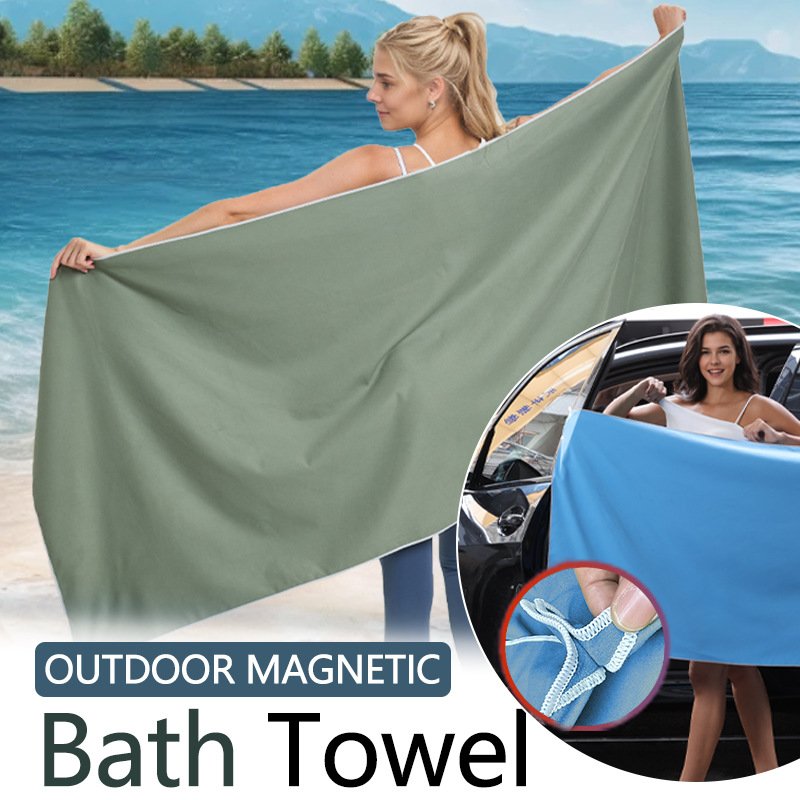
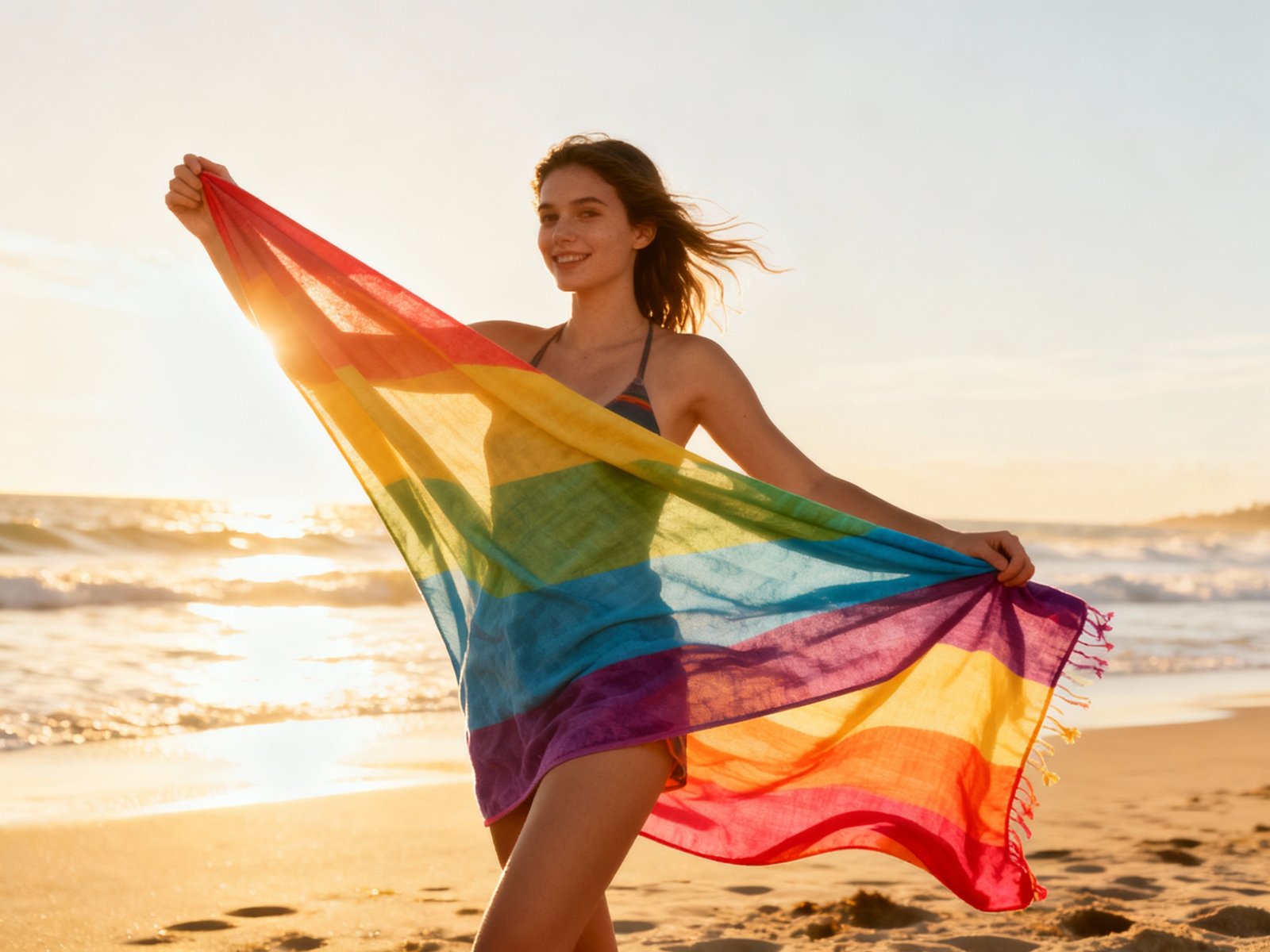
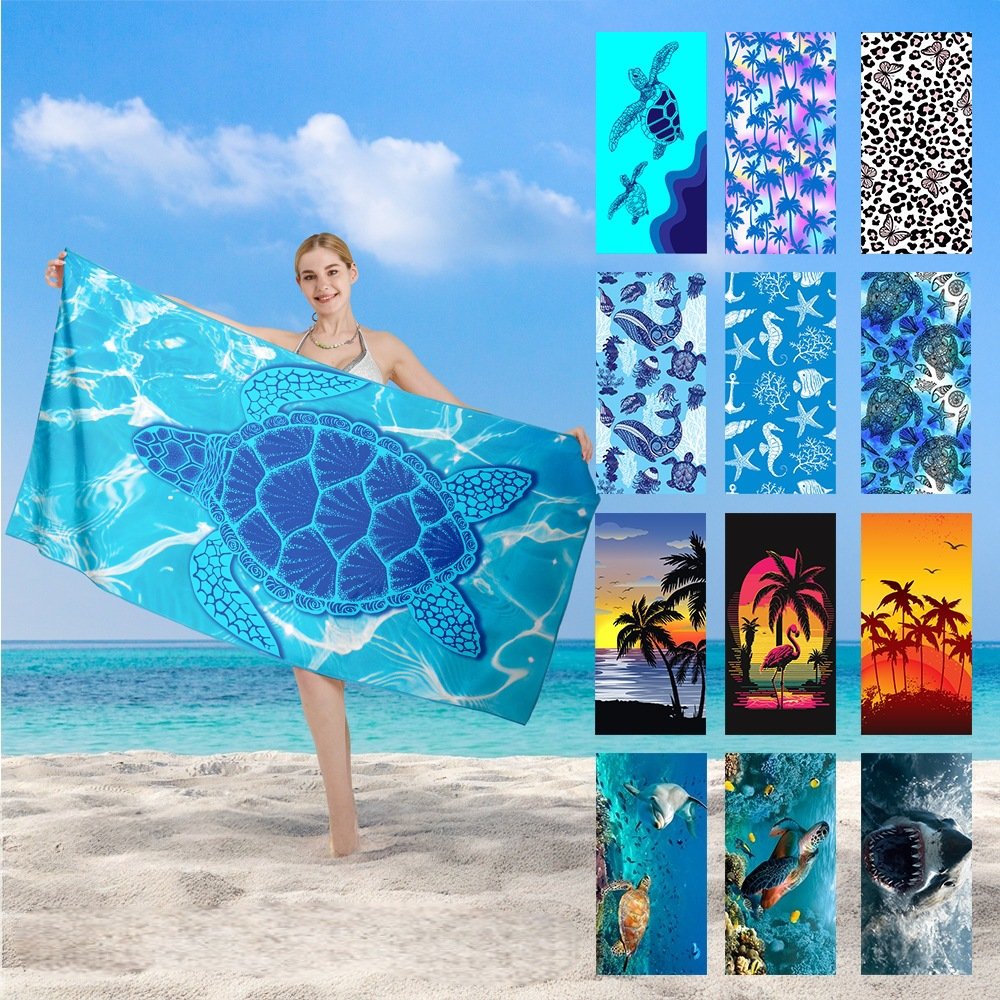
6. GSM, tamaño y tejido recomendados para una toalla de playa premium
Al comprar toallas de playa, especialmente al por mayor, tres especificaciones técnicas son las más importantes: GSM, tamaño y tejido. Analicemos cada uno de forma sencilla.
¿Qué es GSM y por qué es importante?
GSM significa gramos por metro cuadrado. Mide qué tan densa y pesada es la tela. Para las toallas de playa, GSM le indica qué tan gruesa y absorbente se sentirá la toalla.
| Rango GSM | Sentir & Peso | Mejor para | Velocidad de secado |
|---|---|---|---|
| 200–300 g/m2 | Delgado, muy ligero | Viajes, gimnasio, deportes, microfibra. | ⚡ Muy rápido |
| 350–450 g/m2 | Peso medio, equilibrado | Playa, piscina, uso diario. punto dulce recomendado | ✅ Rápido |
| 500–600 g/m2 | Grueso, lujoso, pesado | Resort, spa, hogar de lujo | ⚠️ Más lento |
| 600+ G/M | Muy grueso, muy pesado. | toallas de hotel premium | ❌ Lento: retiene el agua |
Para una toalla de playa, recomendamos entre 350 y 500 g/m2. Esta gama le ofrece una toalla que se siente sustancial. Sin embargo, no se empapará cuando esté mojado. Además, se seca lo suficientemente rápido para un día activo en la playa.
Los mejores tamaños para toallas de playa
- Toalla de playa estándar: 70 cm × 140 cm (27″ × 55″) — más popular para adultos
- Toalla de playa grande: 80 cm × 160 cm: ideal para adultos altos o acostados
- Toalla de playa de gran tamaño: 90 cm × 170 cm+: lujo, parejas o descanso
- Toalla de playa para niños: 60 cm × 120 cm: más ligero y más fácil para los niños
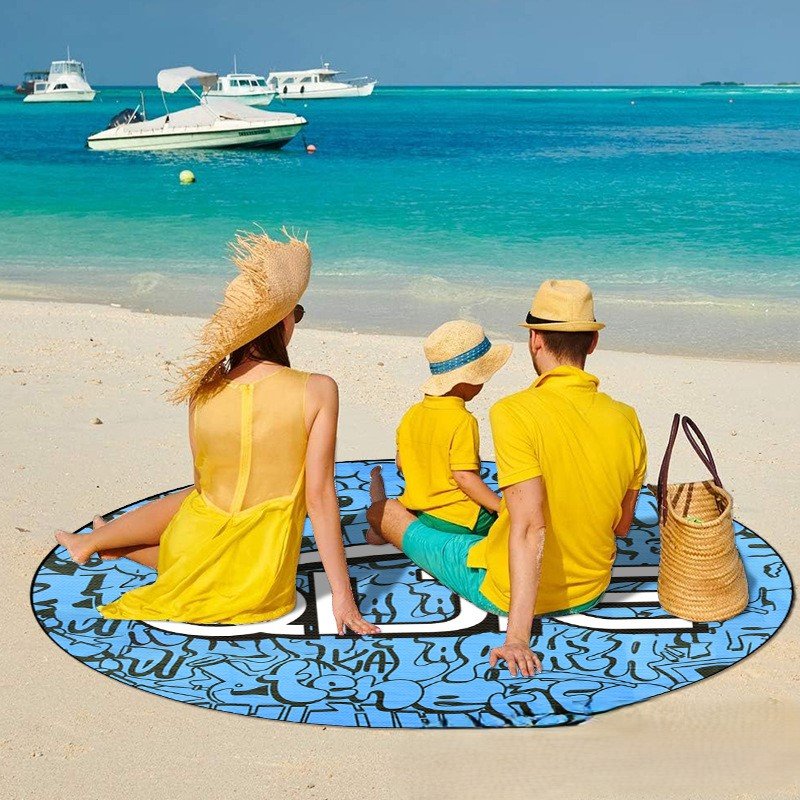
- Toalla de playa redonda: 150 cm de diámetro: moderno, ideal para marcas de Instagram
Tipos de tejido: tejido plano versus tejido Terry
- Tejido plano (peshtemal): Utilizado en toallas turcas. Ligero, de secado rápido y resistente a la arena. Perfecto para viajes y la playa.
- Tejido Terry (en bucle): Se utiliza en toallas de algodón normales. Grueso, afelpado y ultrasuave. Mejor para uso en el hogar, spa o resort.
- Tejido de gofre: Un tejido plano texturizado. Secado más rápido que el rizo. Una buena opción intermedia.
🏭 GSM personalizado, tejido & Tamaño: hecho según sus especificaciones
En Favorecer artículos para el hogar Co., Ltd. (chinatowelmanufacturer.com), producimos toallas de playa de algodón y microfibra de estilo turco. Puede personalizar completamente GSM, tipo de tejido, tamaño y diseño para su mercado, ya sea venta minorista de viajes, suministro de complejos turísticos, comercio electrónico o marca promocional.
mantenemos Certificaciones BSCI, OEKO-TEX 100, SGS y FDA. Nuestro MOQ comienza desde solo 100 piezas. La impresión digital está disponible con sin cantidad mínima de pedido.
Explorar todos los productos Solicitar muestra gratis7. Cómo elegir la toalla de playa adecuada para viajes, familias y centros turísticos
Elegir una toalla de playa no es una opción única para todos. Diferentes compradores necesitan cosas diferentes. Aquí tienes una guía sencilla basada en tu situación específica.
Para viajeros
Si viajas a menudo, el peso y la capacidad de embalaje son lo primero. Una toalla de playa de microfibra o una toalla de playa de algodón turco ocuparán poco espacio. Sin embargo, el algodón turco parece más premium. Además, no retiene los olores como lo hace la microfibra después de un uso repetido. Por lo tanto, para viajes más largos, el algodón turco lleva la delantera.
Considere también nuestro toallas de playa sin arena — una elección perfecta para viajar ya que la arena no se pega en absoluto.
Para familias con niños
Para los niños, la suavidad y la seguridad son claves. Elige un toalla de playa de algodón o algodón turco con certificación OEKO-TEX. Esto significa que no se utilizan colorantes ni productos químicos nocivos. Además, el algodón es más suave para la piel delicada. Para diseños familiares divertidos, nuestra opción de impresión digital le permite agregar cualquier patrón personalizado sin pedido mínimo.
Para complejos turísticos y hoteles
Los compradores de complejos turísticos necesitan durabilidad por encima de todo. Las toallas deben sobrevivir cientos de ciclos de lavado. Además, deben verse geniales y sentirse lujosos. Para este caso de uso, un toalla de playa de algodón GSM de media a alta (450–550 GSM) en tejido de felpa funciona mejor. Alternativamente, el algodón turco es cada vez más popular en los complejos turísticos boutique que buscan una opción más ligera y elegante.
Además, consulte nuestro toallas de playa redondas – muy popular en las tiendas de regalos de los complejos turísticos y en las marcas de playa aptas para Instagram.
Para deportes y uso activo
Para surfistas, nadadores y asistentes al gimnasio, la microfibra es la clara ganadora. Se guarda en una bolsa pequeña. Se seca casi inmediatamente. Y es muy duradero. También puedes consultar nuestro toallas refrescantes deportivas para atletas que necesitan una experiencia extra fresca después del entrenamiento.
8. Cuidado y durabilidad: cómo lavar y mantener cada tipo
Cuidar adecuadamente tu toalla de playa hace que dure mucho más. Esto es exactamente qué hacer para cada tipo.
Guía de cuidados: toallas de playa de algodón turco
Guía de cuidados: toallas de playa de microfibra
Guía de cuidados: toallas de playa de algodón normales
🌿 Algodón turco
- Lavar en agua tibia (30–40°C)
- Utilice un detergente suave, sin lejía.
- Evite el suavizante de telas: reduce la absorbencia con el tiempo.
- Secar en secadora a baja temperatura o al aire libre.
- Se vuelve más suave con cada lavado ✅
- Planchar a fuego medio si es necesario.
- Sacuda la arena antes de lavar
⚡ Microfibra
- Lavar en agua fría o tibia (30°C máx.)
- Utilice un detergente muy suave, sin suavizante.
- Nunca uses lejía: daña las microfibras.
- Secar en secadora a temperatura baja o al aire libre.
- NO secar a temperatura alta: derrite las fibras.
- Lavar por separado de prendas de algodón/rizo.
- Utilice un bola de lavandería que atrapa microplásticos para reducir el desprendimiento
🏡 Algodón normal
- Lavar en agua tibia (40°C)
- Use detergente regular
- Evite el exceso de suavizante
- Secar en secadora a temperatura media: esponja los bucles de rizo
- Agite bien para mantener la felpa esponjosa.
- Se pueden blanquear las toallas blancas de vez en cuando.
- Lávese inmediatamente después del uso en la playa para prevenir el moho.
📌 Consejo rápido: ¿Las toallas turcas pierden suavidad con el tiempo?
No, en realidad es todo lo contrario. Las toallas de playa de algodón turco mejoran con el lavado. Las fibras largas florecen y se suavizan con el tiempo. Los flecos iniciales o los hilos sueltos son normales. Simplemente recórtalos. Después de 3 o 4 lavados, la toalla se sentirá notablemente más suave y absorbente.
9. Por qué muchas marcas (y fabricantes chinos) están agregando líneas de microfibra
La industria de las toallas de playa está cambiando. Cada vez más marcas ofrecen ambos Líneas de algodón y microfibra. ¿Por qué? Porque las necesidades de los consumidores se han dividido en dos bandos claros.
Resort versus viajes: dos mercados diferentes
Por un lado tienes el mercado turístico y de lujo. Estos compradores quieren algodón de primera calidad: suave, pesado y agradable. No les preocupa llevar equipaje ligero. Quieren una toalla que parezca un hotel de cinco estrellas.
Del otro lado tienes la Mercado de viajes, deportes y aventuras. Estos compradores quieren microfibra: ultraligera, de secado ultrarrápido y compacta. Necesitan equipo que funcione en condiciones difíciles.
Marcas inteligentes y mayoristas prestan servicios en ambos mercados. De acuerdo a Investigación de gran vista, el segmento de viajes y actividades al aire libre está creciendo más rápidamente. Como resultado, la demanda de microfibras sigue aumentando año tras año.
Por qué los fabricantes chinos de toallas de playa lideran este cambio
China es el principal productor mundial de textiles de algodón y microfibra. Los fabricantes chinos (particularmente en el Provincia de Zhejiang hub: tiene el equipo y la experiencia para producir ambos materiales a escala. Además, pueden cambiar entre pesos GSM, tipos de tejido y métodos de impresión rápidamente y a precios competitivos.
De acuerdo a Fabricación ITI, el sector textil de China combina décadas de experiencia con tecnología de producción avanzada, lo que brinda a las marcas globales una importante ventaja de abastecimiento.
🌍 Favor Houseware: su fabricante integral de toallas de playa
Favorecer artículos para el hogar Co., Ltd. tiene 15 años de experiencia fabricando toallas de playa desde nuestra fábrica en Yiwu, Zhejiang, China. Producimos toallas de playa de algodón turco, algodón normal y microfibra, todo bajo un mismo techo. Nuestra gama de productos incluye:
- toallas de playa turcas
- toallas de playa de microfibra
- toallas de playa de algodón
- Toallas de playa sin arena
- toallas de playa redondas
- Toallas refrescantes deportivas
MOQ a partir de 100 piezas. Muestras gratuitas disponibles. Envío global rápido desde Yiwu.
Ver todos los productos Obtenga una cotización gratuita10. Preguntas frecuentes: la gente también pregunta por las toallas de playa
Estas son las preguntas más comunes que la gente hace sobre las toallas de playa de algodón turco, microfibra y algodón normal. Hemos respondido a cada una de forma clara y sencilla.
11. Final Verdict — Which Beach Towel Should You Choose?
After comparing all three materials, here is our clear, honest recommendation. The best beach towel depends entirely on who you are y how you use it.
Decision Matrix: Best Beach Towel by Buyer Type
| Buyer / Use Case | Best Choice | Why |
|---|---|---|
| 🏖️ Everyday beach-goer | Toalla de playa de algodón turco | Best all-rounder — light, fast-drying, sand-resistant, stylish |
| ✈️ Frequent traveler / backpacker | Toalla de playa de microfibra | Lightest, most compact, fastest drying — pack anywhere |
| 🏊 Swimmer / surfer / athlete | Toalla de playa de microfibra | Ultra-absorbent, super quick dry, easy to stuff in a bag |
| 🏨 Resort / hotel buyer | Regular Cotton (450–550 GSM) | Maximum plush feel, durable for heavy washing cycles |
| 🌱 Eco-conscious buyer | Turkish Cotton (Organic / OEKO-TEX) | Natural, biodegradable, no microplastics, skin-safe |
| 👨👩👧 Family with young children | Turkish or Regular Cotton | Soft, hypoallergenic, safe for sensitive skin |
| 🎁 Promotional / branded giveaway | Microfiber or Turkish Cotton | Both print beautifully — lightweight for shipping and gifting |
| 🛒 Wholesale buyer / brand owner | All three — offer a range | Serve multiple market segments with one supplier |
📌 Bottom Line: Turkish Cotton vs Microfiber vs Regular Cotton
- 🥇 toalla de playa de algodón turco — Best overall for beach use. Soft, fast-drying, sand-resistant, versatile, eco-friendly.
- 🥈 Microfiber beach towel — Best for travel and sports. Lightest, fastest drying, most compact.
- 🥉 Regular cotton beach towel — Best for home, pool, and resort. Most plush and luxurious feel.
🏆 Conclusion: Ready to Find Your Perfect Beach Towel?
Now you know exactly how Turkish cotton, microfiber, and regular cotton beach towels compare. Each material has a clear strength. Turkish cotton offers the best all-round beach experience. Microfiber delivers unbeatable travel performance. Regular cotton brings luxurious comfort for home and resort use.
The good news? You don’t have to choose just one. Smart brands and retailers now carry all three — because different customers need different things. And that’s where a reliable manufacturing partner makes all the difference.
Favorecer artículos para el hogar Co., Ltd. has been producing premium beach towels for global brands for over 15 years. We manufacture from our factory in Yiwu, China — with full customization on material, GSM, size, weave, and print design. Our certifications include BSCI, OEKO-TEX 100, SGS, and FDA. And our MOQ starts from just 100 piezas.
Whether you need a Turkish cotton beach towel line, a microfiber range for travel retail, or a custom-branded cotton towel for your resort — we can produce it to your exact specification.
🛍️ Browse Our Full Product Range 📩 Request a Free Sample Today📍 Factory: Yiwu, Jinhua, Zhejiang Province, China | 🔖 Certified: BSCI · OEKO-TEX 100 · SGS · FDA | 📦 MOQ: From 100 pieces | 🖨️ Digital print: No MOQ
Vistas: 6