Quick Answer: Best Surf Poncho Types for Beginners at a Glance
Not sure which surf poncho is right for you? Therefore, we created this quick comparison table to help you decide in seconds.
| Poncho Type | Ideale per | Warmth Level | Dry Time | Ideal Climate |
|---|---|---|---|---|
| Cotton Terry Poncho | Cold water surfers, comfort lovers | ⭐⭐⭐⭐⭐ Eccellente | Slower (2-3 hours) | Cool to cold beaches |
| Microfiber Poncho | Travelers, warm water surfers | ⭐⭐⭐ Bene | Fast (30-60 min) | Warm to tropical |
| Insulated Changing Robe | Winter surfers, extreme weather | ⭐⭐⭐⭐⭐ Maximum | Medium (1-2 hours) | Cold, windy, rainy |
💡 Pro Tip: As a beginner, start with a cotton terry poncho if you surf in cooler water. Otherwise, choose a microfiber option for flexibility and travel convenience.
What Is a Surf Poncho Towel for Beginners?
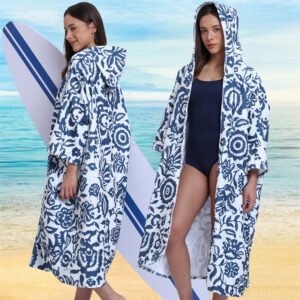
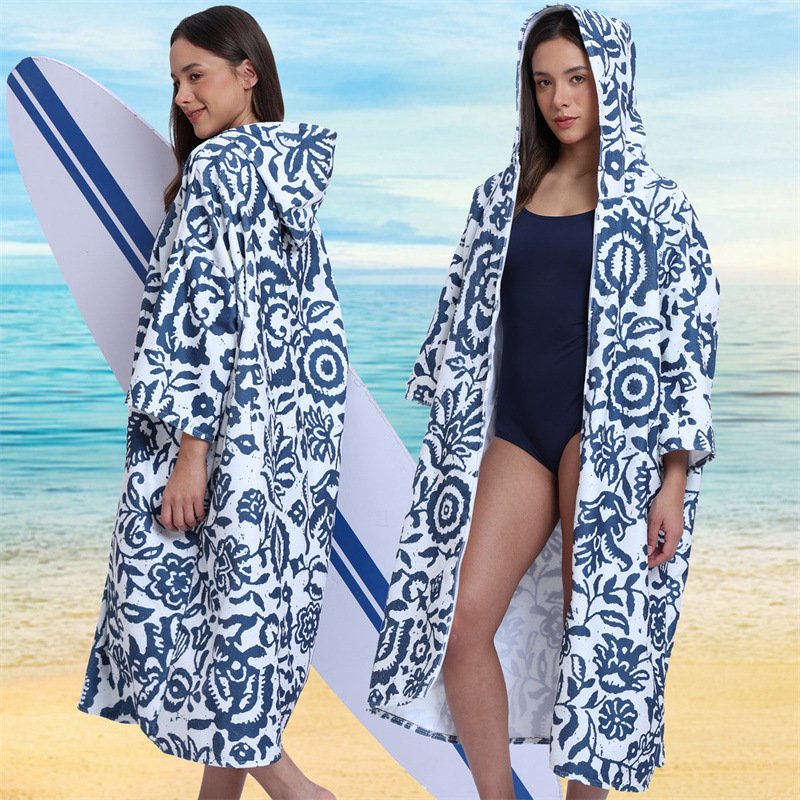
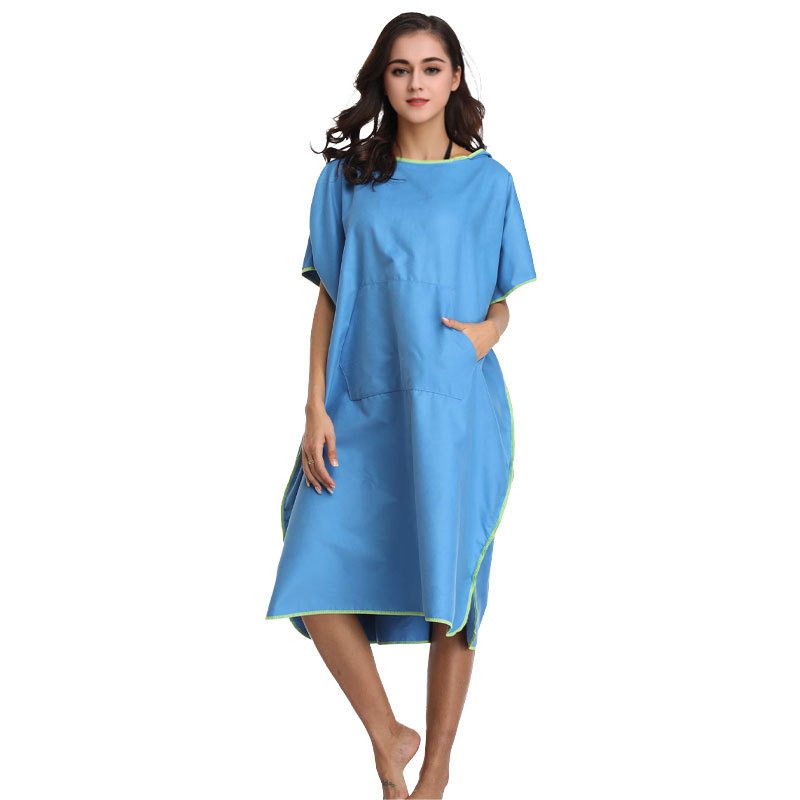
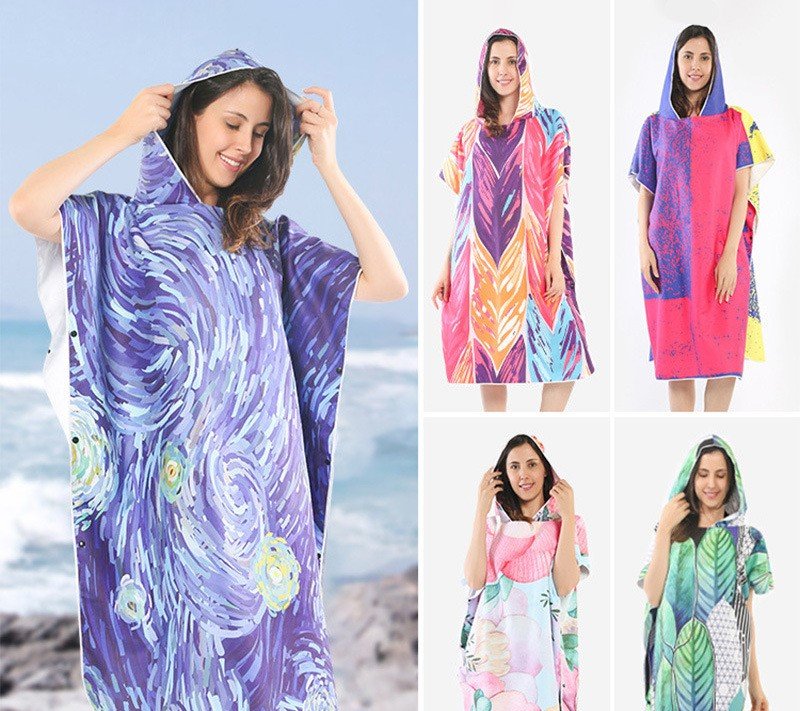
First and foremost, a asciugamano poncho da surf is a hooded towel robe designed specifically for surfers. Unlike regular beach towels, it allows you to change in and out of wetsuits or swimwear with complete privacy. Moreover, it provides warmth and dries much faster than traditional flat towels.
Additionally, surf ponchos now belong to the growing “surfing apparel and accessories” category. In fact, they sit alongside surf jackets, UV protection gear, and other essential surf equipment. Consequently, beginners can enjoy hands-free changing while staying comfortable at the beach or parking lot.
Why Every Beginner Surfer Needs a Surf Changing Robe
When you first start surfing, changing at the beach can feel awkward and uncomfortable. Fortunately, a beginner surf poncho towel solves several problems at once. Specifically, it provides privacy, blocks cold wind, and keeps you warm between sessions.
Furthermore, the global surfing market is booming right now. According to recent market research, the surfing equipment industry reached approximately $4.40 billion USD in 2024. Even more impressive, it’s forecast to grow to $6.32 billion USD by 2030, with a steady 6.5% annual growth rate.
Meanwhile, surfing apparel and accessories alone are expected to add around $2.69 billion USD between 2024 and 2029. This means more beginners are entering the sport every year. In the United States specifically, the surfing population jumped about 28-35% in less than a decade, reaching roughly 3.8-4.2 million surfers.
“As surf schools and wave pools continue to grow worldwide, simple and safe changing solutions have become essential equipment for beginners.”
Therefore, investing in a quality surf poncho makes sense. Not only does it improve your comfort, but it also helps you blend in with experienced surfers at the beach.
Key Features Every Beginner Surf Poncho Should Have
Before you buy your first surf changing robe for beginners, you need to understand the essential features. As a result, you’ll make a smarter purchase and enjoy better value for money.
Must-Have Features Checklist:
- ✅ Fabric Choice: Look for either spugna di cotone (soft, warm, highly absorbent) or microfibra (lightweight, quick-dry, compact for travel). Both materials are widely used in leading poncho models today.
- ✅ GSM and Thickness: Choose mid to high GSM (grams per square meter) for warmth and coverage if you surf in cold water. Conversely, lighter GSM works better for warm-water learners who need quick drying.
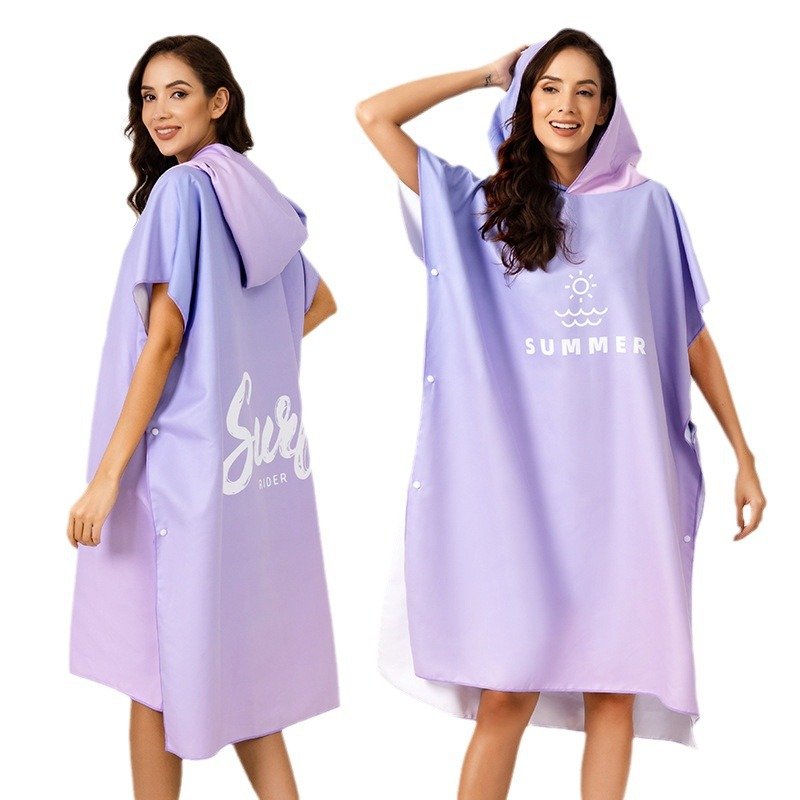
- ✅ Size and Cut: An oversized body width, generous arm openings, and longer length make changing easier and more private. This feature matters especially for first-timers who feel shy.
- ✅ Hood Design: A deep hood with drawcord blocks wind effectively and helps dry wet hair faster. Without a proper hood, you’ll lose heat quickly on windy days.
- ✅ Pockets and Closures: At minimum, get a kangaroo pocket for your hands. Additionally, some changing robes offer zippered chest pockets and snap or zip fronts for extra convenience.
🏭 Manufacturer Insight: A Favor Casalinghi Co., Ltd., we customize every detail of your surf poncho. Specifically, we can adjust GSM levels, fabric composition (100% cotton, microfiber, or recycled yarns), add logo jacquard or digital printing, and create custom packaging. With over 15 years of experience, we help surf schools and brands create perfect ponchos for their customers.
Size Guide: How to Choose the Right Beginner Surf Poncho
Choosing the correct size is crucial for comfort and functionality. Fortunately, most brands follow simple sizing rules that make selection easy.
Simple Sizing Rules:
Height-Based Recommendations:
- “Short/Youth” – Perfect for children and teens under 160 cm (5’3″)
- “Regular” – Suits most adults up to about 175-180 cm (5’9″ – 5’11”)
- “Tall/Oversized” – Designed for taller surfers above 180 cm (6’+)
Additionally, several top brands now offer S/M/L sizing options instead of one-size-fits-all. Therefore, you can find a more precise fit.
Fit Guidelines for Changing:
Ideally, your poncho should fall roughly from your shoulder to mid-calf. Furthermore, it must be wide enough to lift your arms inside without exposing your body. This extra room makes wetsuit changes much less stressful.
💡 Beginner Tip: When you’re between sizes, always choose the larger option. After all, having extra coverage beats feeling cramped while changing in a windy parking lot.
Cotton vs Microfiber vs Changing Robe: Materials Comparison
Understanding fabric differences helps you pick the best surf poncho for beginners based on your specific needs. Below, we compare the three main material types side by side.
| Material Type | Benefits for Beginners | Drawbacks | Best Used When |
|---|---|---|---|
| Spugna di cotone | Very soft and comfortable, provides strong warmth, excellent absorbency, feels like a normal towel, ideal for cold or windy beach days | Heavier when wet, slower drying time, bulkier for travel purposes | Surfing in cool to cold water, prioritizing comfort over portability |
| Microfibra | Lightweight and compact, extremely quick-dry, easy to pack in surf school or travel bag, great for active use | Slightly less soft “towel-like” feel, can be less warm in strong cold wind | Traveling surfers, warm water sessions, multi-day surf trips |
| Hybrid/Insulated Changing Robe | Waterproof and windproof outer shell, inner towel or fleece lining, maximum warmth and weather protection | Highest price point, heavier and bulkier, more than most warm-water beginners actually need | Winter surfing, extreme weather conditions, 4-season use |
🏭 What We Supply: Our factory offers GSM ranges from 280-550 for cotton ponchos and 200-400 for microfiber versions. Additionally, we provide recycled polyester options and OEKO-TEX certified yarns for eco-conscious brands. View our full product range here.
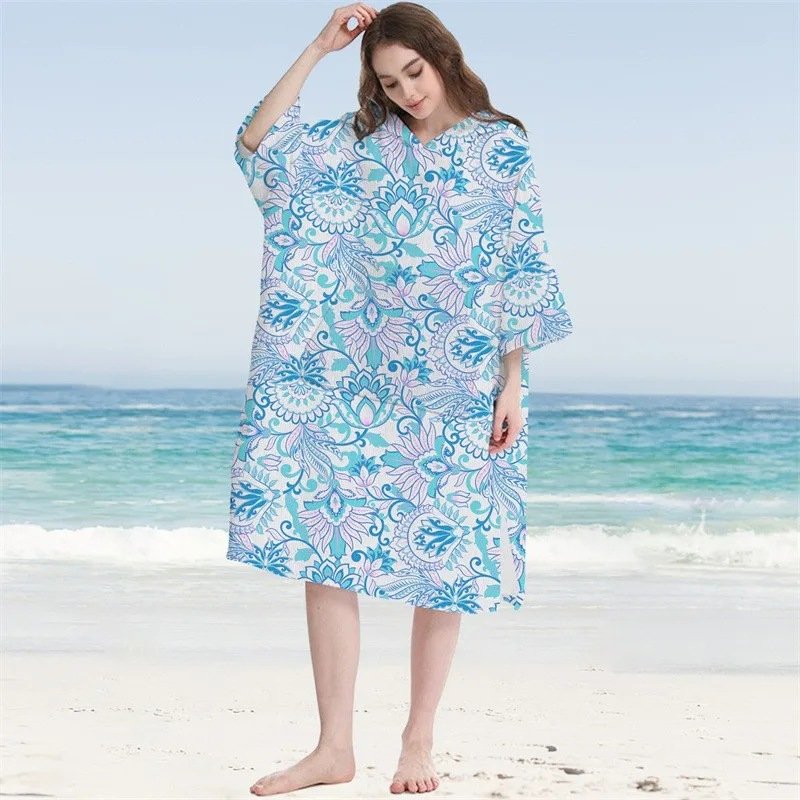
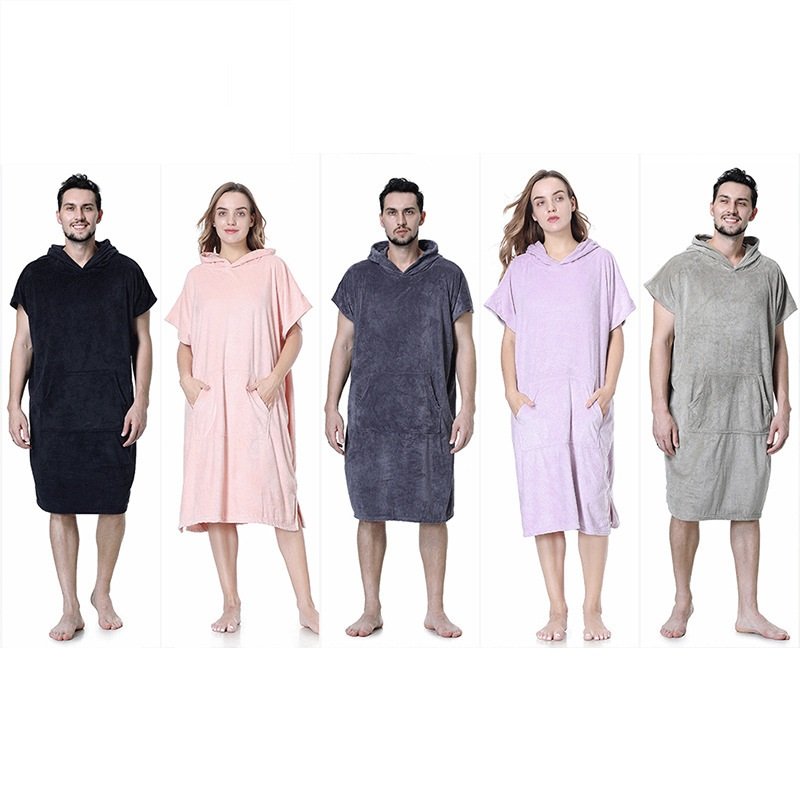
Should Beginners Choose Cotton or Microfiber Surf Ponchos?
This question comes up constantly among new surfers. Honestly, the answer depends entirely on your surfing conditions and personal preferences.
Choose Cotton Terry Ponchos If:
- You surf in cold or cool water (below 18°C / 64°F)
- You experience windy beach conditions regularly
- You prioritize soft, towel-like comfort over everything else
- You mainly surf locally and don’t travel often with gear
Secondo wetsuit temperature guides, cold water surfers need extra warmth after sessions. Therefore, cotton terry ponchos make the perfect choice.
Choose Microfiber Ponchos If:
- You surf in warm to tropical water (above 20°C / 68°F)
- You travel frequently with your surf gear
- You attend surf camps or multi-day trips where quick drying matters
- You need lightweight, compact gear that fits easily in backpacks
Inoltre, microfiber ponchos work brilliantly for surf schools. Since they dry so quickly, students can reuse them throughout the day without issues.
Consider Hybrid Changing Robes If:
- You plan to surf year-round in all seasons
- You face rain, snow, or extreme wind regularly
- You’re willing to invest in premium, multi-season gear
Ultimately, many experienced surfers own both types. They use cotton for home sessions and microfiber for travel adventures.
Surf Poncho vs Regular Beach Towel for Beginners
You might wonder, “Can’t I just use my regular beach towel instead?” While technically possible, here’s why a proper surf changing robe for beginners works much better.
Key Differences Explained:
Regular Beach Towels: These are flat rectangles with no structure. Consequently, they slip easily when you’re trying to change. Additionally, they offer very limited privacy in crowded parking lots. Furthermore, strong wind can blow them away at the worst moment.
Surf Poncho Towels: In contrast, these have sewn sides, integrated hoods, and proper arm openings. As a result, they cover your body like a comfortable robe. Moreover, they stay in place while you change, making beginners feel much safer and more confident.
Insulated Changing Robes: These advanced versions add waterproof and windproof outer shells. Therefore, they provide maximum protection during cold, rainy, or winter surf sessions.
Quick Comparison Table:
| Caratteristica | Telo mare normale | Asciugamano poncho da surf | Insulated Changing Robe |
|---|---|---|---|
| Privacy | ⭐ Poor | ⭐⭐⭐⭐ Excellent | ⭐⭐⭐⭐⭐ Maximum |
| Calore | ⭐⭐ Fair | ⭐⭐⭐⭐ Very Good | ⭐⭐⭐⭐⭐ Superior |
| Ease of Changing | ⭐ Difficult | ⭐⭐⭐⭐ Easy | ⭐⭐⭐⭐⭐ Effortless |
| Wind Protection | ⭐ Minimal | ⭐⭐⭐ Bene | ⭐⭐⭐⭐⭐ Complete |
Clearly, investing in a proper surf poncho makes changing at the beach much more comfortable. Plus, you’ll look more professional among other surfers.
How to Use a Surf Poncho Towel Step-by-Step
Using your new beginner surf poncho towel correctly maximizes comfort and efficiency. Follow these simple steps every time you finish a surf session.
Step-by-Step Changing Process:
- Put the poncho on immediately after you come out of the water. Pull it over your head while you’re still wearing your wetsuit or swimsuit. This step traps body heat instantly.
- Use the hood to dry your hair and block the wind. Pull the drawcord snug if it’s particularly windy. Meanwhile, let the absorbent fabric start soaking up water from your skin.
- Pull your wet swimwear or wetsuit down inside the poncho while keeping the front closed. The oversized design gives you plenty of room to work. Importantly, nobody can see anything because you’re fully covered.
- Put on dry clothes or a new wetsuit underneath, then remove the poncho last. At this point, you’re completely changed without ever exposing yourself. Easy!
💡 Suggerimento professionale: Practice this process at home first. After a few tries, you’ll be able to change in under 2 minutes, even on busy beach days.
Additionally, many surf schools teach this exact method to beginners. According to International Surfing Association guidelines, proper changing technique improves safety and comfort for new surfers.
Care Tips to Make Your Surf Poncho Last Longer
Proper maintenance extends the life of your surf changing robe for beginners significantly. Furthermore, good care preserves absorbency, color, and softness over hundreds of uses.
Essential Care Instructions:
- 🚿 Rinse with fresh water immediately after saltwater sessions. Salt crystals damage cotton fibers and stitching over time. Therefore, a quick rinse prevents long-term deterioration.
- 🧼 Wash at low to medium temperature (30-40°C / 86-104°F) with mild detergent. Hot water can fade colors and shrink natural fibers. Consequently, cooler washing protects your investment.
- ❌ Avoid heavy fabric softeners because they coat fibers and reduce absorbency. Instead, use a small amount of white vinegar to keep towels soft naturally.
- ☀️ Line-dry in the shade to protect colors and printed logos. Direct sunlight can fade reactive-dyed or sublimation-printed designs. Moreover, shade drying prevents fabric breakdown from UV exposure.
- 🔄 Rotate between uses if you surf daily. Giving your poncho 24-48 hours to fully dry between sessions maintains peak performance.
🏭 Quality Assurance: A Favor Casalinghi Co., Ltd., all our ponchos pass strict color-fastness tests and wash durability standards. Specifically, we test to OEKO-TEX 100 and SGS protocols to ensure long-lasting quality. Our premium cotton ponchos typically maintain excellent condition for 200+ wash cycles.
The Growing Surf Market: Why Ponchos Are Essential Gear
Understanding industry trends helps explain why investing in a quality best surf poncho for beginners makes excellent sense right now.
Key Market Statistics:
| Metrico | Latest Figures | Why It Matters for Surf Ponchos |
|---|---|---|
| Global Surfing Equipment Market (2024) | $4.40 billion USD | Shows strong demand for boards plus accessories like ponchos and changing robes |
| Forecast Market Size (2030) | $6.32 billion USD (6.5% CAGR) | Indicates long-term growth and more new surfers needing complete gear setups |
| Surfing Apparel & Accessories Growth | +$2.69 billion USD (2024-2029), ~5.4% CAGR | Apparel and accessories segment (including ponchos) expanding quickly as essential items |
| Estimated Global Surfers | Around 35 million worldwide | Even a small percentage of beginners creates massive potential demand for entry-level gear |
| U.S. Surfers (Recent Data) | 3.8-4.2 million surfers (+28-35% growth) | Large, growing beginner base in one of the world’s most important surf markets |
| U.S. Surfers by Gender | 65% male, 35% female | Sizing and designs should serve both men and women equally well |
Source: Market research from Ricerca sulla grande visione and industry reports
As you can see, more beginners enter surfing every year. Consequently, demand for practical, affordable accessories like surf ponchos and changing robes continues rising steadily.
Why Surf Schools and Rental Shops Recommend Ponchos for Beginners
Professional surf schools worldwide now consider ponchos essential equipment. Here’s why instructors recommend them consistently:
- Speeds up changing between lessons: Students can switch gear quickly without wasting valuable water time. Therefore, schools fit more sessions into each day.
- Keeps students warm and comfortable: Cold, uncomfortable beginners learn slower and enjoy surfing less. In contrast, warm students stay focused and motivated.
- Provides modest changing solutions: Many beginners feel self-conscious changing in public. As a result, ponchos make the experience much less stressful.
- Creates professional atmosphere: Surf schools with matching branded ponchos look organized and trustworthy. Furthermore, this improves overall customer experience significantly.
According to the International Surfing Association, beginner-friendly coaching and wave-pool surfing continue expanding globally. Consequently, easy and modest changing solutions are becoming standard equipment everywhere.
B2B Services for Surf Schools & Brands:
A Favor Casalinghi Co., Ltd., we specialize in bulk orders for surf schools, rental shops, and retail brands. Our services include:
- ✅ Low MOQ: Starting from just 100 pieces for custom orders
- ✅ Logo customization: Digital printing, embroidery, jacquard weaving, or heat transfer
- ✅ OEM/ODM services: Complete design and production support
- ✅ Tempi rapidi: 15-25 days production with express shipping available
- ✅ Certificazioni di qualità: BSCI, OEKO-TEX 100, SGS, FDA approved
Contact us today for wholesale pricing and custom samples!
FAQ: Common Beginner Questions About Surf Ponchos
Below, we answer the most frequently asked questions from new surfers. These insights help you make informed decisions quickly.
What makes a good surf poncho for beginners?
A good beginner surf poncho offers full coverage for changing (mid-calf length, wide cut), soft and absorbent towel fabric, and a deep hood to block wind. Extra features like a kangaroo pocket and simple, one-size-fits-most sizing make it easier for first-time surfers to use without overthinking.
Should beginners choose cotton or microfiber surf ponchos?
Cotton ponchos feel like traditional towels, offering strong warmth and absorbency. Consequently, they work best for cold or windy beach sessions. Meanwhile, microfiber ponchos are lighter and dry faster. Therefore, they’re perfect for warm-water beginners and surf travelers who need compact gear.
What size surf poncho do I need as a beginner?
Most beginners should choose a poncho that falls between the knee and mid-calf. Additionally, it needs enough width to pull arms inside for changing without gaps. Many brands offer general unisex sizes (for example, S/M/L or “tall” versions). If you’re between sizes, it’s safer to go for the larger option.
What is the difference between a surf poncho and a surf changing robe?
A surf poncho is usually a single-layer towel fabric with a hood and side openings. It’s designed mainly for drying and modest changing. In contrast, a surf changing robe often has a waterproof and windproof outer shell with a warm inner lining. As a result, it gives much more protection in cold, rainy, or winter conditions.
Do I really need a surf poncho as a beginner, or is a normal towel enough?
You can change with a normal beach towel, but it slips easily and offers less privacy. Furthermore, it doesn’t protect as well from wind, especially in crowded car parks or surf schools. A surf poncho keeps your hands free, covers your body like a robe, and makes changing in and out of wetsuits much more relaxed for beginners.
Are surf ponchos worth it for surf schools and rental shops?
Absolutely! Many surf schools invest in ponchos or changing robes because they speed up group changing significantly. Moreover, they keep students warm and comfortable between lessons. As surfing lessons and wave-pool facilities grow worldwide, simple, reusable gear like ponchos becomes an important part of the beginner experience and professional brand image.
How should I wash and care for my surf poncho?
First, rinse off salt and sand immediately after each session. Then, machine wash at low to medium temperature (30-40°C) with mild detergent. Avoid heavy fabric softeners to keep absorbency strong. Finally, line-dry in the shade to protect colors and printed logos. This routine works especially well for high-quality cotone E microfiber ponchos used frequently in sunny coastal areas.
Conclusion: Choose the Best Surf Poncho for Your Surfing Journey
Choosing the best surf poncho for beginners doesn’t need to feel complicated. As we’ve covered throughout this guide, the key factors include fabric choice (cotton vs microfiber), proper sizing, essential features like hoods and pockets, and understanding your specific surfing conditions.
Remember these main points as you shop:
- ✅ Cotton terry ponchos provide maximum warmth and comfort for cold-water surfers
- ✅ Microfiber ponchos offer lightweight, quick-dry convenience for travelers and warm-water sessions
- ✅ Dimensionamento corretto ensures easy, stress-free changing without exposure
- ✅ Quality construction from experienced manufacturers guarantees longevity and performance
The global surfing market continues growing rapidly, with millions of new surfers joining the community each year. Consequently, investing in quality gear from the start sets you up for success and comfort throughout your surfing journey.
Ready to Get Your Perfect Surf Poncho?
Whether you’re an individual surfer or a surf school looking for bulk orders, we’ve got you covered!
Perché scegliere Favor Houseware Co., Ltd.?
- 🏭 15+ years of towel manufacturing experience
- 🌟 Premium quality certified by BSCI, OEKO-TEX 100, SGS, FDA
- 🎨 Full customization – colors, sizes, logos, packaging
- 📦 Low MOQ – starting from just 100 pieces
- 🚚 Consegna veloce – 15-25 day production time
- ♻️ Eco-friendly materials and sustainable manufacturing
- 💯 Campioni gratuiti available (you pay freight only)
We serve surf schools, retail brands, promotional companies, and individual surfers worldwide. Our factory in Yiwu, Zhejiang Province, China combines traditional craftsmanship with modern technology to deliver exceptional products.
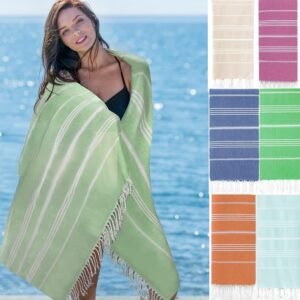
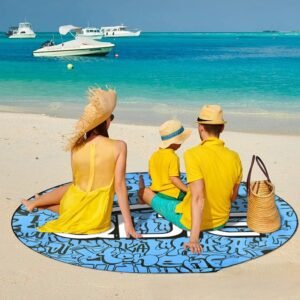
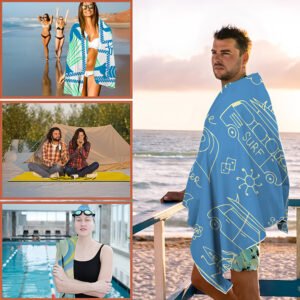
Explore our full range: Asciugamani da spiaggia turchi | Asciugamani da spiaggia senza sabbia | Asciugamani da spiaggia rotondi | Asciugamani rinfrescanti per lo sport
Don’t let uncomfortable changing experiences hold back your surfing progress. Invest in the right gear today and focus on catching waves tomorrow! 🏄♂️
Article last updated: January 2026 | All market data and statistics verified from industry sources including Grand View Research and International Surfing Association reports
Visualizzazioni: 4