⚡ Quick Answer
To wash beach towels properly: shake out all sand first, then machine wash in cold or warm water with a mild detergent. Skip the fabric softener — use ½ cup of white vinegar in the rinse instead. Finally, tumble dry on low heat with dryer balls or line-dry in the shade. That’s the core routine that keeps beach towels soft, absorbent, and long-lasting.
📋 Key Takeaways: Beach Towel Wash Settings at a Glance
Before we dive in, here is a quick-reference table. Bookmark this — you’ll want to come back to it.
| Setting | Recommended Value | なぜそれが重要なのか |
|---|---|---|
| Water temperature | Cold to warm (not hot) | Warm cleans oils; cold protects colors and fibers. |
| Wash cycle | Gentle (light) or Normal (thick) | Avoids over-agitation that damages cotton loops. |
| Detergent amount | ½–1 normal dose | Too much leaves residue that cuts absorbency. |
| Fabric softener | Avoid completely | Coats fibers and makes towels less absorbent over time. |
| Vinegar rinse | ½ cup per load | Removes detergent buildup and naturally deodorizes. |
| Dryer temperature | Low to medium heat | Less shrinkage and keeps fibers soft and fluffy. |
Now, let’s go through every single detail. By the end of this guide, you’ll know exactly how to care for beach towels like a pro — whether you own one towel or a hundred.
1. What Makes Beach Towels Different From Regular Towels?
First of all, it’s important to understand that beach towels are not the same as bathroom towels. They are designed for a completely different job. And because of that, they need different care.
Here’s what sets them apart:
- They are bigger. A standard beach towel is much larger than a bath towel. This gives you enough room to lie down on the sand or cover a lounger chair.
- They face tougher conditions. Sand, saltwater, chlorine, and sunscreen all attack beach towel fibers. Regular bath towels never have to deal with any of that.
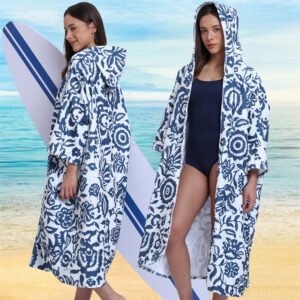
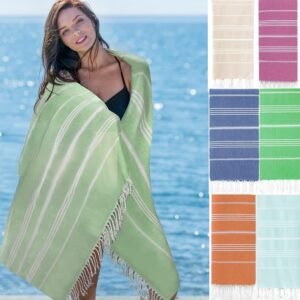
- They use different materials. Most beach towels are made from コットン (soft and absorbent) or マイクロファイバー (lightweight and fast-drying). Each material needs slightly different care steps.
- They are often brightly printed. Bold colors and patterns mean that incorrect washing can cause fading much faster than with plain bath towels.

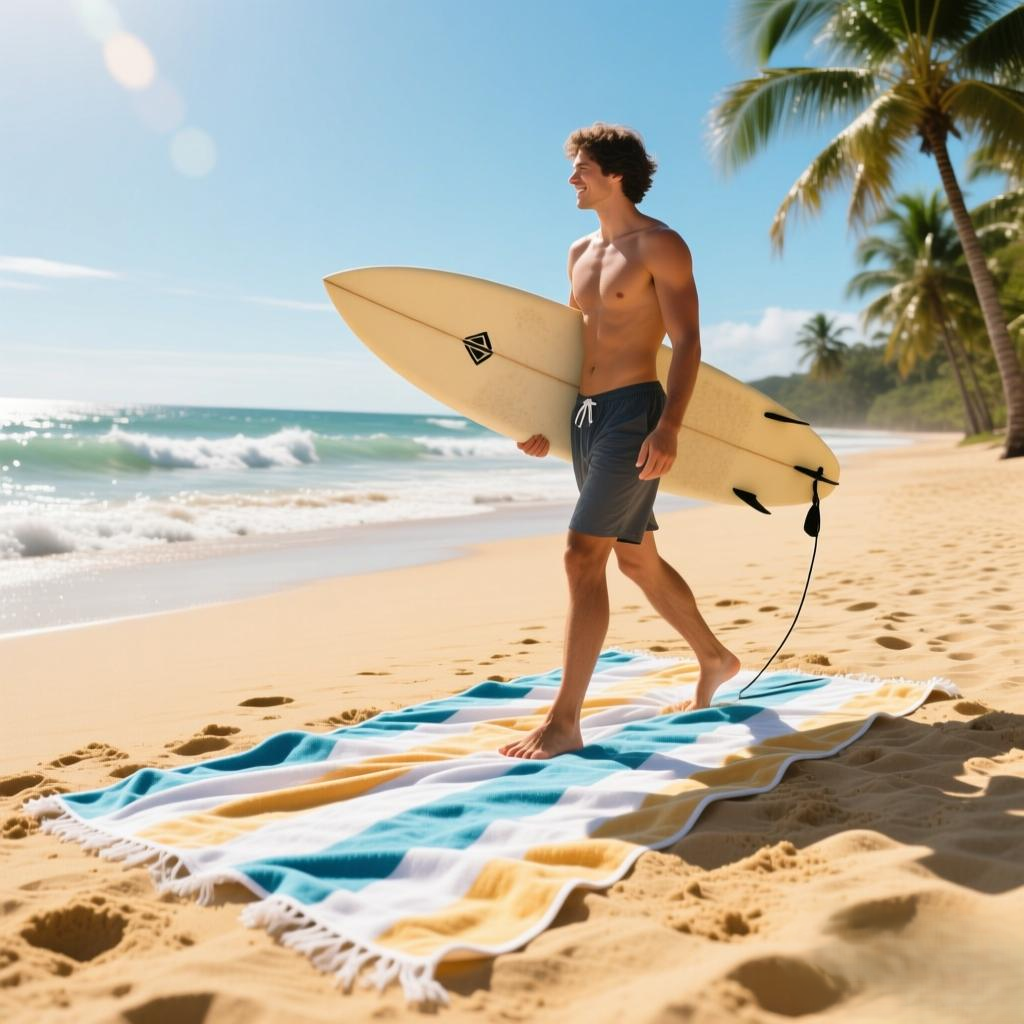
“で 株式会社フェイバーハウスウェア — a qualified beach towel manufacturer with over 15 years of experience — we build every towel to handle the toughest beach conditions. But even the best towel needs proper care to stay that way.”
So, now that we understand the basics, let’s move on to the first important care question.
2. How Often Should You Wash Beach Towels?
This is a great question that most people get wrong. Furthermore, washing too little can cause bacteria and odors. But washing too often can wear out fibers faster. Here’s a simple rule of thumb:
📌 General Rule: Wash beach towels after every 1–2 uses at the beach, and after every single use at a public pool, gym, or crowded beach.
| 使用状況 | 推奨される洗濯頻度 | なぜそれが重要なのか |
|---|---|---|
| Beach towel used once at a clean beach | 1 ~ 2 回使用するごとに | Sand, salt, and body oils build up quickly and reduce softness. |
| Beach towel used at a public pool | After every use | Chlorine and public surfaces increase bacteria and chemical damage. |
| Towel used to sit or lie on sand all day | After every use | Heavy sand and sunscreen clog fibers and cause odor. |
| キッズ’ ビーチタオル | After every use | Higher exposure to sand, spills, and germs means faster contamination. |
*Recommended care intervals based on expert laundry guidance from leading fabric care brands and manufacturers.
In addition, if the towel smells musty or feels stiff, don’t wait. Wash it right away regardless of how recently it was last washed.
3. Step-by-Step: How to Wash Beach Towels After the Beach
This is the most important section of this entire guide. Therefore, we want to make this super clear and easy to follow. Here is exactly how to wash beach towels after the beach, step by step:
Take your towel outside first. Then hold one end and snap it several times to shake out as much sand as possible. Do this before you even think about the washing machine.
If your towel was used in saltwater or a chlorinated pool, rinse it under fresh water as soon as you can. This step removes a lot of the harmful chemicals before washing. As a result, your towel will last much longer.
Do you see sunscreen marks, tanning oil, or food stains? Apply a small amount of liquid detergent or a paste of detergent and baking soda directly to the stain. Let it sit for 5–10 minutes before washing.
Always wash beach towels separately from regular clothes. Sand, lint, and color bleed can damage your clothing. Also, washing towels alone gives them more room to rinse properly in the drum.
Set the machine to cold or warm water. Use a mild detergent at half-to-full dose. Most importantly, skip the fabric softener. Instead, add ½ cup of white vinegar to the rinse cycle. It naturally removes residue and keeps towels soft.
Tumble dry on low to medium heat with dryer balls for best results. Alternatively, line-dry in the shade until completely dry. Then store the towel only when it is fully dry to prevent musty smells.
💡 プロのヒント: Never put a beach towel in the dryer when it still has a visible stain. Heat from the dryer will permanently set the stain into the fibers. Always check before drying.
4. How to Remove Sand From Beach Towels Before Washing
Sand is sneaky. It hides deep inside cotton loops and terry fibers. Moreover, if you put a sandy towel directly into the washing machine, the sand can scratch the drum and stay trapped in the towel. Here’s how to deal with it first:
- Shake vigorously outdoors — hold one end of the towel and snap it back and forth at least 5–6 times. Most dry sand will fall out immediately.
- Beat the towel gently — hang it over a railing or fence and lightly beat it with your hand to loosen embedded sand.
- Let it dry first if it’s wet — wet sand sticks much harder to fabric. So if the towel is still damp from the ocean, let it dry first, then shake it out again.
- Use a soft brush — for very thick or densely woven towels, a soft-bristle brush can help sweep sand out of the loops before washing.
- Vacuum stubborn sand — if you have a vacuum with a soft attachment, you can run it gently over the towel surface to lift remaining particles.
After following these steps, then and only then, place the towel in the washing machine. This simple habit, furthermore, significantly extends the life of both your towel and your machine.
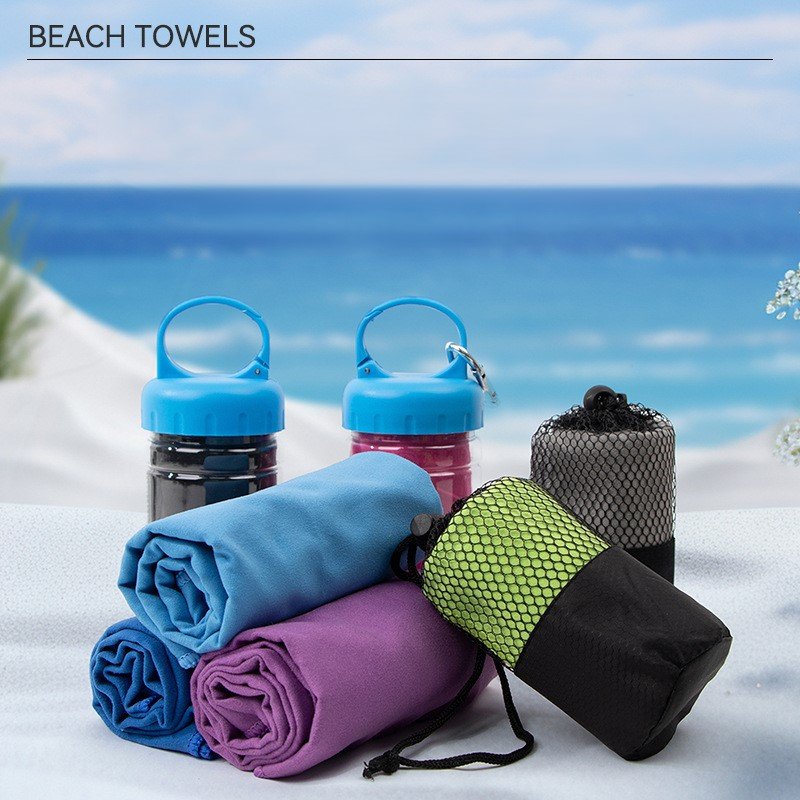
🏖️ Smart Upgrade: If removing sand from towels frustrates you, consider switching to a sand-free beach towel. They use a special tight weave that repels sand so it simply brushes off. Much easier to clean!
5. How to Treat Sunscreen, Oil, and Stubborn Stains
Sunscreen stains are one of the toughest challenges when caring for beach towels. In fact, many people don’t even notice the stain until after it’s been through the dryer — and by then, it’s set permanently. So, act fast.
For Fresh Sunscreen or Tanning Oil Stains:
- Apply liquid dish soap or laundry detergent directly onto the stain.
- Alternatively, make a paste from detergent + baking soda and press it in.
- Let it sit for 10–15 minutes to break down the oils.
- Then wash in warm water on a normal cycle.
- Check the stain before drying — if it’s still there, repeat the pre-treatment instead of drying.
For Self-Tanner Marks:
- Dab hydrogen peroxide on a cotton pad and gently press it onto the mark.
- Then wash immediately in warm water.
- Note: only use hydrogen peroxide on light-colored towels to avoid bleaching.
Key Rules to Remember:
- ❌ Never use hot water on a fresh stain — heat sets the stain into the fiber permanently.
- ❌ Never put a stained towel in the dryer — same reason: the heat locks the stain in.
- ✅ Always check the towel after washing before tossing it in the dryer.
- ✅ White vinegar also works as a natural degreaser for mild oil stains.
“Heat is a stain’s best friend. Therefore, always treat and confirm a stain is gone before you ever touch that dryer dial.”
6. Best Water Temperature and Detergent for Beach Towels
Choosing the right water temperature and detergent makes a huge difference in how your towel looks and feels after washing. Here’s what to use:
Water Temperature Guide:
- Cold water (below 30°C / 86°F): Best for bright colors, dark prints, and lightly used towels. Cold water, moreover, prevents color fading very effectively.
- Warm water (30–40°C / 86–104°F): Best for heavily soiled towels, oily sunscreen residue, and white towels. Warm water cuts through body oils much better than cold.
- Hot water (above 60°C / 140°F): Only for white towels that need deep sanitizing. Otherwise, hot water shrinks cotton fibers and makes towels rough.
Best Detergent for Beach Towels:
- を選択してください mild, liquid detergent without optical brighteners or added fragrance.
- Use ½ to 1 normal dose — less is more. Too much detergent leaves residue that stiffens fibers.
- Powder detergents can leave undissolved particles in towel loops — so liquid is generally better.
- For extra freshness, add ½ cup of white vinegar to the rinse cycle instead of fabric softener.
- For whites, oxygen-based bleach (like OxiClean) is safe and effective. However, avoid chlorine bleach on colored towels — it fades and weakens them.
🌿 Natural Softness Hack: Add ½ cup of white vinegar to the rinse cycle once a month. It dissolves detergent buildup, removes mineral deposits from hard water, and naturally restores softness — all without reducing absorbency.
大手ランドリー ブランドが推奨する綿生地のお手入れ方法について詳しくは、次のガイドを参照してください。 Good Housekeeper のランドリーケアの専門家 — ファブリックケアのベストプラクティスに関する信頼できる外部リファレンス。
7. ビーチタオルには柔軟剤や漂白剤を使用する必要がありますか?
これは、ランドリーケアにおける最大の誤解の 1 つです。柔軟剤を使うとタオルが柔らかくなると思っている人が多いと思います。しかし実際には、時間の経過とともにその逆の現象が起こります。これを解消しましょう。
❌ 柔軟剤 — 避ける
- 柔軟剤が残る ワックス状のコーティング タオルの繊維に。
- このコーティングにより、タオルは一時的に柔らかく感じられます。ただし、それも 繊維が水分を吸収するのをブロックします。
- 柔軟剤で処理されたタオルは時間が経つにつれて吸水性が低下し、タオルの本来の目的が損なわれてしまいます。
- 代わりに、使用してください すすぎサイクルにおける白酢。残留物を追加するのではなく、残留物を除去することで繊維を本当に柔らかくします。
❌ 塩素系漂白剤 - 色付きのタオルは避けてください。
- 塩素系漂白剤は色を破壊しますし、 綿の繊維を弱める 時間が経つにつれて大幅に。
- たとえ少量の塩素系漂白剤でも、頻繁に使用すると白いタオルが黄ばむ可能性があります。
- 代わりに、使用してください 酸素ベースの光沢剤 白人にとっては、より穏やかで同様に効果的です。
✅ “リセット” 固くて古いタオルのコツ:
長年の柔軟剤使用により、タオルがすでに硬くなっていませんか?この 2 段階のリセット ウォッシュを試してください。
- タオルを使って洗います ½ cup of white vinegar — 洗剤は使用しません。これにより、古い柔軟剤のコーティングが剥がされます。
- 2回目の洗浄を実行します 重曹 1/2カップ — 洗剤は使用しません。これにより酢が中和され、繊維が毛羽立ちます。
- 最後に、ドライヤーボールを使用して低温でタンブラー乾燥します。後でタオルが明らかに柔らかく感じられるはずです。
8. ビーチタオルを柔らかく吸水性を保つ方法
学ぶ タオルを柔らかく保つ方法 重要なのは、いくつかの簡単な習慣を身につけることです。最も効果的なものは次のとおりです。
🧺
ワッシャーに過負荷をかけないでください1 つの洗濯物につき、大きなビーチタオルを 2 ~ 3 枚まで洗濯してください。完全かつ均等にすすぐために、タオルには移動するスペースが必要です。
🍶
定期的に酢リンスを使用する3 ~ 4 回の洗濯ごとに 1/2 カップの白酢をすすぎサイクルに追加して、製品の蓄積を取り除き、自然な柔らかさを取り戻します。
⚙️
低温のみで乾燥させてくださいタオルが硬くてゴワゴワになる一番の原因は高熱です。弱火から中火にかけて、まだ少し湿っている間にタオルを取り外します。
🎱
ドライヤーボールを使用するウールまたはゴム製のドライヤー ボールは、乾燥中にタオルの繊維を分離します。これによりふわふわ感が保たれ、乾燥時間が最大 25% 短縮されます。
📏
より高いGSMタオルを選択してくださいGSM (1 平方メートルあたりのグラム数) が高いタオルほど、厚みと密度が高くなります。したがって、薄くなる前に、より多くの洗濯サイクルでも柔らかさを保ちます。
💧
硬水を処理する硬水は繊維を硬くするミネラル沈着物を残します。これを防ぐために、各洗濯に軟水剤タブレットまたは大さじ 1 杯のホウ砂を追加します。
9. ビーチタオルの干し方: タンブル乾燥と吊り干し
ビーチタオルの乾燥方法は、洗濯方法と同じくらい重要です。幸いなことに、いくつかの重要なルールに従っている限り、どちらの方法もうまく機能します。
🌀 タンブラー乾燥
- Use 弱火から中火 だけ — 決して高くない
- 追加 ウールまたはゴム製のドライヤーボール 繊維を毛羽立たせる
- ながら削除 少し湿った そして自然乾燥で仕上げます
- ドライヤーシートは絶対に使用しないでください — 柔軟剤のように繊維をコーティングします
- 最適な用途: 厚手の綿タオル、寒い天候または雨天
☀️吊り干し
- タオルを掛ける 単一の層で — レールの上で折り畳まれていない
- 乾燥機で乾燥させます。 風通しの良い日陰の場所 可能であれば
- 直射日光が当たると、 色あせ 時間とともに
- 自然の日差しは優しいですね 天然の消毒剤
- 吊り干し後にタオルがざらざらしている場合は、最後に弱火で 10 分間短時間タンブルしてください。
⚠️最も重要なルール: ビーチタオルは常に乾いた状態にしましょう 完全に 折りたたんだり保管する前に。暖かい気候では、少し湿ったタオルでも 24 ~ 48 時間以内にカビ臭が発生します。したがって、折り畳む前に再確認してください。
10. マイクロファイバービーチタオルとコットンビーチタオルの洗い方
すべてのビーチタオルが同じというわけではありません。したがって、すべてが同じ方法で洗うわけではありません。最も一般的な 2 つのタイプ — コットン そして マイクロファイバー — さまざまなケアアプローチが必要です。
| ケアステップ | コットンビーチタオル | マイクロファイバービーチタオル |
|---|---|---|
| 水温 | 寒いから暖かい | コールドのみ — 熱湯はマイクロファイバーを溶かします |
| Wash cycle | 普通か優しいか | 優しいだけ |
| 洗剤 | 中性液体洗剤 | 中性洗剤はごく少量のみ |
| Fabric softener | 避ける | 一度もない — マイクロファイバーを永久に詰まらせる |
| で洗う | その他のコットンアイテム | 別途 — 綿の糸くずがマイクロファイバーにくっつく |
| 乾燥 | 弱中温または吊り干し | 自然乾燥または非加熱タンブル - マイクロファイバーは速く乾きます。 |
| ドライヤーシート | 避ける | 一度もない — マイクロファイバーの洗浄能力を破壊します |

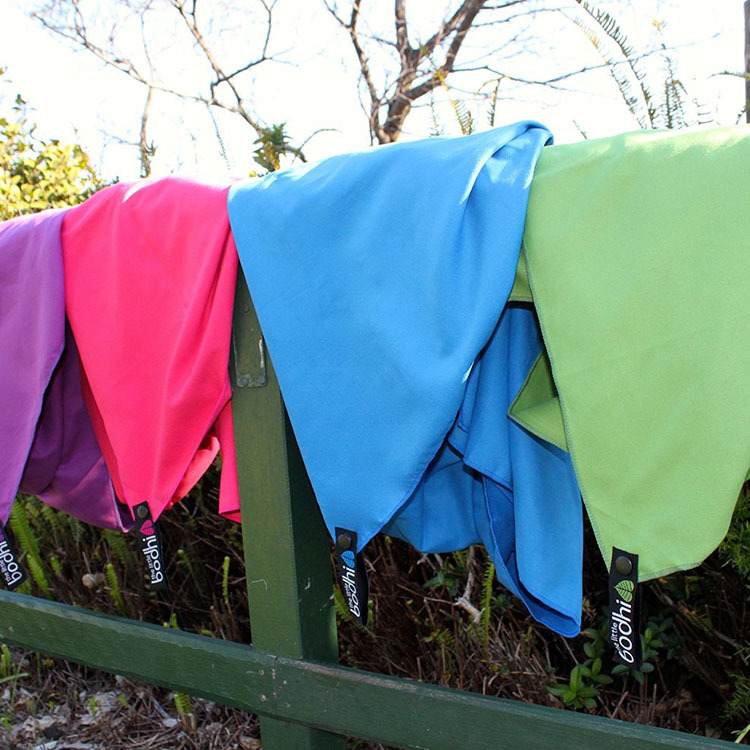
で 株式会社フェイバーハウスウェア、私たちは両方を製造します プレミアムコットンビーチタオル そして 高品質のマイクロファイバービーチタオル OEKO-TEX 100認証素材と反応染料を使用。どちらの製品ラインも、正しくお手入れすれば、多くの洗濯サイクルを経ても柔らかさと色を維持できるように設計されています。
11. 色あせと色にじみを防ぐ方法
鮮やかなプリントのビーチタオルはビーチで素敵に見えます。ただし、間違って洗濯すると、驚くほど早く色落ちする可能性があります。これらの色を保護する方法は次のとおりです。
- 色ごとに並べ替える — 特に最初の数回の洗濯では。明るいものは明るいもので、暗いものは暗いもので洗いましょう。新しいタオルは染料がにじむ可能性があります。
- カラータオルには冷水を使用してください。 — 温水や熱湯は染料の分子をより早く緩めます。冷水は色を閉じ込めます。
- 色専用の洗剤を選ぶ — というラベルを探してください。 “カラーセーフ” または “カラープロテクト。” これらの洗剤には、攻撃性の低い界面活性剤が含まれています。
- プリントタオルは裏返して洗ってください — これにより、印刷面がドラムの摩擦から保護されます。
- 塩素系漂白剤は完全に避けてください — たとえ少量であっても、プリントされたビーチタオルから色が剥がれてしまいます。
- すぐに洗濯機から取り出してください — 濡れたタオルをドラム内に放置すると、色がお互いににじみやすくなります。
- 乾燥させる際は直射日光を避けてください — 強烈な紫外線に長時間さらされると、時間の経過とともにプリントされたタオルが色あせます。陰干しのほうが発色が良くなります。
🎨 色保護のヒント: 新しいビーチタオルの最初の洗濯に、白酢 1 カップを加えます。これは役に立ちます 染料をセットする 将来の洗濯時の色移りを大幅に軽減します。
12. ビーチタオルの消毒方法 (プール、ジム、公共ビーチ)
ほとんどのビーチでの使用には、通常の家庭洗濯で問題ありません。ただし、公共のプール、ジム、混雑したビーチでタオルを使用した場合は、適切に消毒する必要があります。その方法は次のとおりです。
家庭用(公共のプールやジムの後):
- で洗ってください タオルに安全な最も温かい水 (ケアラベルを確認してください)。
- 抗菌作用のある高品質の洗剤を使用するか、抗菌剤を追加してください。 除菌ランドリーブースター それは色にとって安全です。
- 必ず 乾燥機は完全に乾燥させてください 中火 - 熱によりほとんどの細菌や病原菌が死滅します。
- タオルが完全に乾くまでは決して保管しないでください。
ホテルおよびリゾートのランドリー業務の場合:
- 使用するたびに業務用洗剤を使用して温水洗浄サイクルを実行してください。
- 色付きの布地用に承認されている市販の洗濯用消毒剤を追加します。
- 白いタオルの場合は、定期的に温水洗浄 (60°C) することで、漂白剤を必要とせずに完全に消毒できます。
- 非常に高温での定期的な洗濯や強力な漂白剤を使用した洗濯は避けてください。タオルの寿命が大幅に短くなります。
の 洗濯衛生に関する CDC ガイドライン 洗剤を使用した温水で布地を洗浄し、その後完全に乾燥させると、布地表面から最も一般的な細菌やウイルスが効果的に除去されることを確認します。
13. ビーチタオルのカビ臭さを防ぐ保管方法
不適切な保管は、タオルのカビ臭さの最も見落とされている原因の 1 つです。幸いなことに、修正は非常に簡単です。
- タオルは常に完全に乾いた状態で保管してください —これが最も重要なルールです。暖かい気候では、小さな湿った場所でも 24 時間以内にカビが発生します。
- 決して折り畳んで密閉ビニール袋に詰めないでください — 生地は呼吸する必要があります。代わりに、使用してください 布製バスケットまたはオープンシェルフ 日常の保管に。
- 密集した状態での保管は避ける — タオル間の通気性が良く、湿気の蓄積やカビ臭を防ぎます。
- 涼しく換気の良い場所に保管してください — 長期保管する場合は、湿気の多いバスルームや高温の車のトランクを避けてください。
- シーズン終了後の保管場所: 洗ってよく乾かしてから折りたたんで中に入れます 通気性のあるコットンバッグ。これにより、空気を自由に循環させながら、ほこりを防ぎます。
- 杉ブロックまたは小袋を追加する タオルの保管場所に置くと、自然に湿気を吸収し、オフシーズンの保管中に虫よけをします。
“清潔な香りとフレッシュな感触のタオルは、完全に乾くまで決して折らないという 1 つの簡単な習慣から始まります。当たり前のように聞こえますが、この 1 つのステップで、タオルのカビの問題の 90% を防ぐことができます。”
14. 高品質のビーチタオルはどのくらい長持ちしますか (そして寿命を延ばす方法)?
この質問は主に次のものに依存します 品質とケア。良いニュースは、適切な洗濯と乾燥の習慣を身に着けていれば、高品質のビーチタオルは簡単に数年間使用できるということです。データは次のとおりです。
| 介護レベル | 約快適な寿命 | 摩耗の兆候 |
|---|---|---|
| ✅適切なケア (冷水洗濯、柔軟剤使用不可、低温乾燥) | 2 ~ 3 シーズン (約 50 ~ 75 回の洗濯サイクル) | エッジが徐々に薄くなり、わずかに柔らかくなります – 通常の経年劣化 |
| ❌ ケアが不十分 (ホットウォッシュ、柔軟剤、過乾燥) | 1 シーズン未満 (約 10 ~ 20 回の洗濯サイクル) | 硬い繊維、色あせ、吸収性の低下 - 早期摩耗 |
*ファブリックケアガイドで報告されている一般的なコットンおよびマイクロファイバータオルの性能に基づくおおよその範囲。実際の寿命は、GSM、ファイバーの品質、使用頻度によって異なります。
ビーチタオルを交換する時期のサイン:
- パイル内の著しく薄いまたはハゲた斑点
- フルリセット洗浄後も永続的な硬さ
- 洗っても落ちないカビ臭さ
- 端のほつれやほつれ
- 水を吸収する能力が大幅に低下する
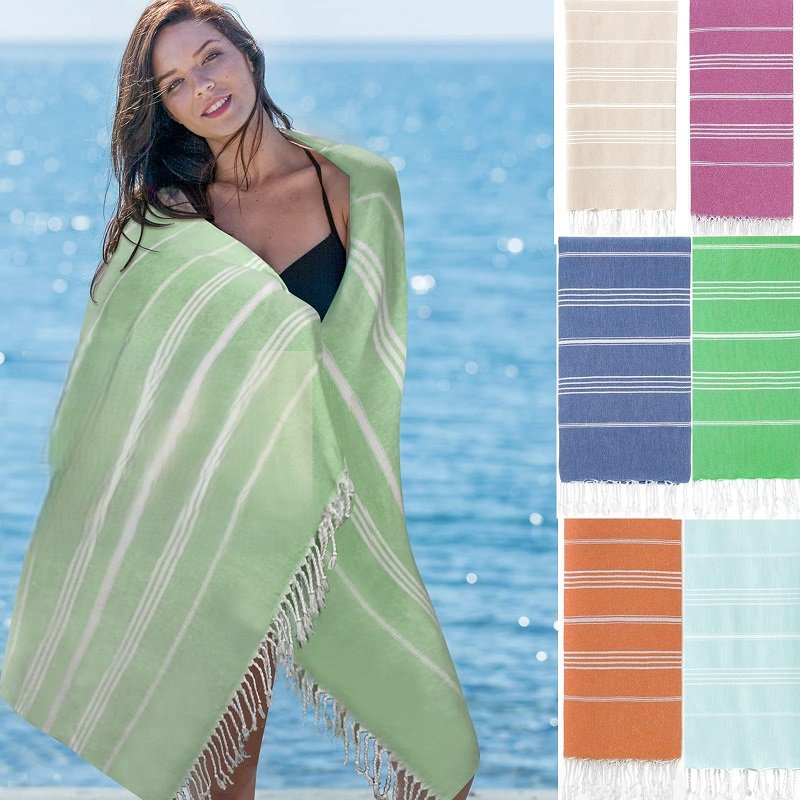
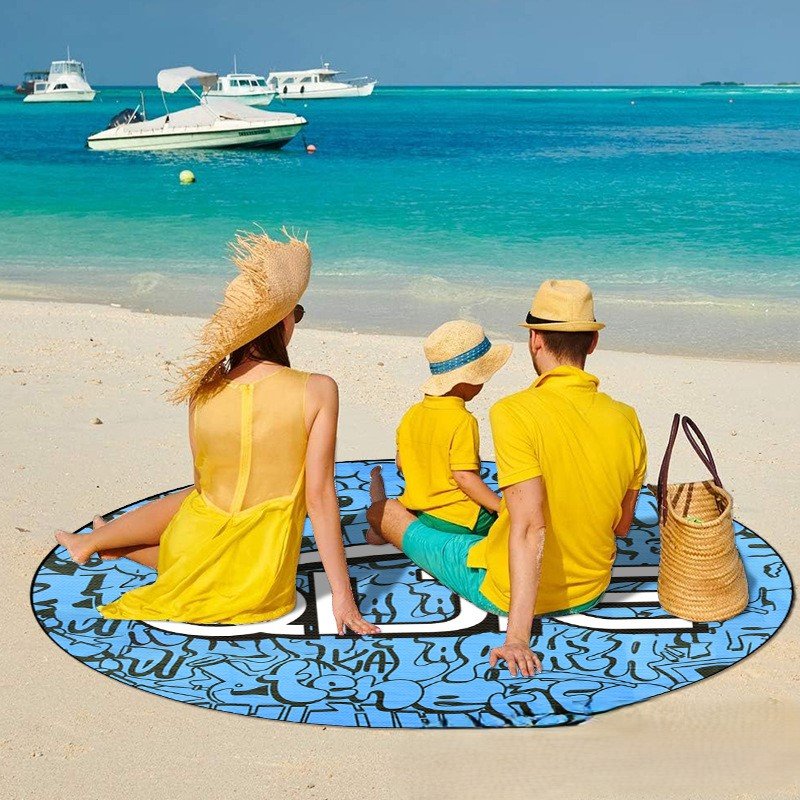
で 株式会社フェイバーハウスウェア, all our beach towels are made with high-quality combed cotton yarn, reactive dyes, and double-stitched hems. Combined with OEKO-TEX 100 and BSCI certifications, our towels are built to be cared for — and to last. When you care for a quality towel properly, you get much more value from every purchase.
15. Eco-Friendly Tips for Washing and Drying Beach Towels
Being kind to your towels and being kind to the planet actually go hand in hand. In fact, most eco-friendly laundry habits are also the ones that make beach towels last longer. Here are some easy green swaps:
- 🌊 Wash in cold water whenever possible. Cold washing uses up to 90% less energy than hot. Furthermore, it protects colors and fiber strength.
- 🌿 Choose eco-certified detergents. Look for biodegradable, phosphate-free detergents. They clean just as well and are gentler on the environment and on towel fibers.
- ☀️ Line-dry instead of tumble-drying. Air drying uses zero energy. Additionally, sunlight naturally disinfects — making it both eco-friendly and hygienic.
- 🎱 Use wool dryer balls instead of dryer sheets. Dryer balls are reusable for hundreds of cycles. Dryer sheets, on the other hand, are single-use and contain chemical coatings.
- 🧺 Wash full loads only. Running a full load is far more efficient than multiple small loads. Wait until you have enough towels to fill the drum properly.
- ♻️ Choose towels made with sustainable materials. Look for OEKO-TEX certified towels and eco-friendly dyes. These use fewer harmful chemicals and are safer for waterways.
- 🔁 Extend lifespan instead of replacing. Every extra season you get from a towel means one less towel manufactured and shipped. Proper care is therefore an act of sustainability.
🌱 Sustainability Note: 株式会社フェイバーハウスウェア produces all beach towels using eco-friendly manufacturing practices, sustainable materials, and OEKO-TEX 100 certified processes — ensuring that both the planet and your customers benefit from every towel made.
For more guidance on sustainable laundry practices, the U.S. Department of Energy’s energy-saving laundry tips are a highly credible reference on cold washing and efficient drying.
❓ Frequently Asked Questions About Washing Beach Towels
Here are the top questions people search for — with clear, direct answers.
Conclusion: Great Beach Towel Care Starts With Great Beach Towels
So there you have it — the complete guide on how to wash beach towels, how to care for them, how to keep them soft, and how to make them last as long as possible.
To summarize everything in a few simple rules:
- ✅ 洗う前に砂を振り落としてください — always, without exception
- ✅ Wash in cold or warm water — never hot for regular use
- ✅ Skip fabric softener — use white vinegar in the rinse instead
- ✅ Dry on low heat — or line-dry in the shade
- ✅ 完全に乾燥した状態でのみ保管してください — prevents every musty smell problem
- ✅ Start with a quality towel — because proper care multiplies the value of a great towel
That last point is where we come in.
Favor Houseware Co., Ltd. — 15 Years of Beach Towel Excellence
Ready to Stock Up on Beach Towels That Last?
We manufacture premium custom and wholesale beach towels — cotton, microfiber, Turkish, round, sand-free, and more — with OEKO-TEX 100 certification, MOQ from just 100 pieces, and fast shipping from our factory in Yiwu, China.
Free samples available (pay freight only) · BSCI · OEKO-TEX 100 · SGS · FDA certified
当社の全製品をご覧ください: トルコ製ビーチタオル · 砂の出ないビーチタオル · ラウンドビーチタオル · コットンビーチタオル · マイクロファイバービーチタオル · スポーツ冷却タオル
ビュー: 21