Quick Takeaways:
- Microfiber quick dry beach towels can dry up to 50% faster than traditional cotton towels
- These towels absorb up to 7 times their weight in water while remaining lightweight
- The global beach towel market is growing from $4.2 billion (2025) to $7.9 billion by 2035
- Sand shakes off easily from microfiber, making beach cleanup simple
Beach Towel Market Growth at a Glance
| Метрика | Ценить | Timeframe |
|---|---|---|
| Global beach towel market size | ~USD 4.2 billion | 2025 |
| Forecast beach towel market size | ~USD 7.9 billion | 2035 |
| Beach towel market CAGR | ~6.2% | 2025–2035 |
| Asia-Pacific growth rate (China leading) | ~7.5% CAGR | 2025–2035 |
Microfiber vs Cotton: The Quick Comparison
| Особенность | Microfiber Quick Dry Towel | Traditional Cotton Beach Towel |
|---|---|---|
| Впитывающая способность | Up to ~7× own weight in water | Lower per gram; depends on GSM |
| Время высыхания | Up to ~50% faster in tests | Slower; holds moisture longer |
| Масса & Pack Size | Very lightweight and compact | Heavier and bulkier |
| Sand Behavior | Sand shakes off easily | Looped terry traps more sand |
If you’ve ever struggled with a heavy, damp beach towel that won’t dry in your suitcase, you’re not alone. Fortunately, the solution is here. Quick dry beach towels are transforming how we travel, swim, and enjoy outdoor activities. In this comprehensive guide, we’ll explore everything you need to know about fast drying microfiber towels and how they compare to traditional options.
What Is a Quick Dry Beach Towel?
А quick dry beach towel is specially designed to release moisture much faster than regular towels. Typically, these towels are made from either microfiber (a blend of polyester and polyamide) or flat-woven cotton, such as Turkish towels. Unlike thick, fluffy terry cotton towels that hold water for hours, quick dry towels use innovative fabric technology to speed up evaporation.
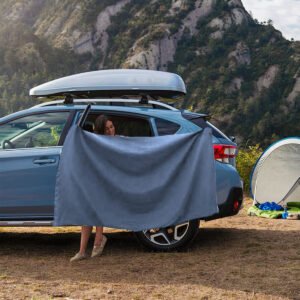
Moreover, these towels are usually lighter and thinner than traditional beach towels. This makes them incredibly suitable for various activities, including travel, swimming, camping, hiking, and gym workouts. Despite their lightweight design, they still provide enough absorbency to dry your entire body comfortably after a swim or shower.
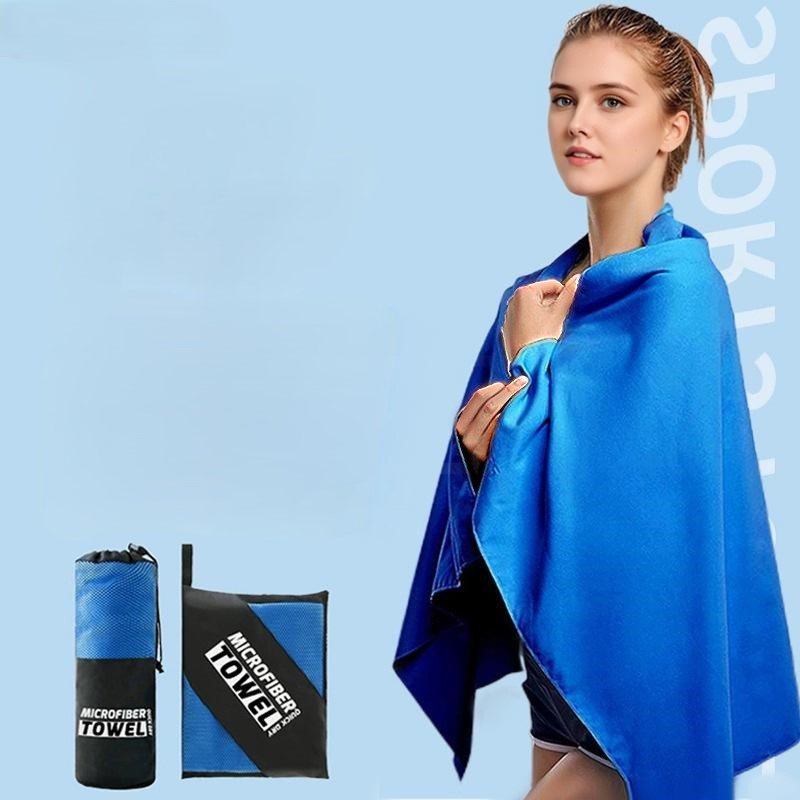
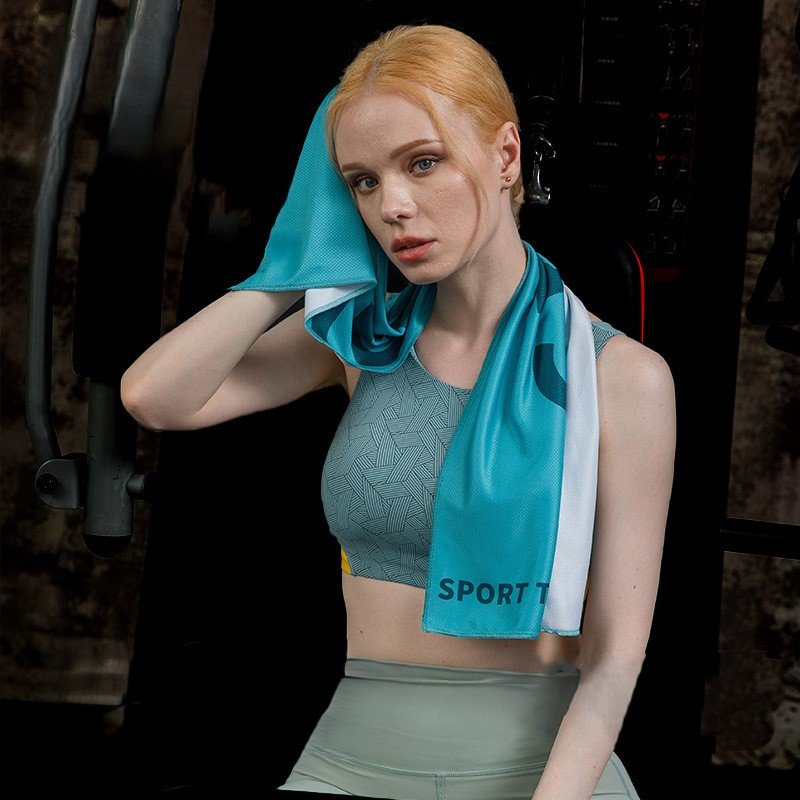
Left: Vibrant microfiber quick dry beach towel | Right: Compact fold design for easy travel
Additionally, manufacturers engineer these towels specifically for people who need performance and convenience. For instance, travelers appreciate how they pack down small, while beachgoers love that sand doesn’t stick to the fabric. As a result, beach towel manufacturers in China have invested heavily in developing better quick dry technology over the past 15 years.
How Fast Do Quick Dry Towels Actually Dry? (Real Data)
Now, let’s talk numbers. According to consumer tests and laboratory studies, quick dry microfiber towels can reduce drying time by up to approximately 50% compared to cotton towels under the same conditions. This means that if a regular cotton beach towel takes four hours to dry when hung outside, a microfiber towel might be ready in just two hours.
But why does this happen? The secret lies in the fabric structure. Microfiber consists of extremely thin synthetic fibers that create a high surface area. Consequently, when you hang a wet microfiber towel, water spreads across millions of tiny fibers and evaporates quickly into the air. In contrast, traditional cotton terry towels have thick loops that trap water deep inside, slowing down the drying process significantly.
“Microfiber towels work like tiny sponges with millions of channels. Water gets absorbed quickly and released just as fast when exposed to air.”
Furthermore, real-world feedback from travelers confirms these findings. Many backpackers and digital nomads report being able to wash their quick dry travel towels in the evening and have them completely dry by morning, even in humid climates. This feature alone makes them invaluable for people on the move.
Drying Time Comparison Table
| Towel Type | Average Drying Time (Hung to Dry) | Moisture Release Rate |
|---|---|---|
| Quick Dry Microfiber Towel | 2–3 hours | Fast (high surface area) |
| Traditional Cotton Terry Towel | 4–6 hours | Slow (thick loops trap water) |
| Turkish Cotton Towel | 3–4 hours | Moderate (flat weave) |
As you can see, the difference is quite substantial. Therefore, if you’re someone who values quick turnaround times, a microfiber or Turkish option is definitely worth considering.
Quick Dry Microfiber vs Cotton: What’s the Difference?
Understanding the core differences between microfiber and cotton helps you make smarter choices. While both materials can be used for beach towels, their performance characteristics vary widely. Let’s break down the key distinctions in detail.
Absorbency Power
Прежде всего, microfiber towels absorb up to seven times their weight in water. This exceptional absorbency comes from the ultra-fine fibers that create millions of tiny pockets to trap moisture. On the other hand, cotton towels rely on their thick, looped terry structure, which can absorb water but adds significant weight and bulk.
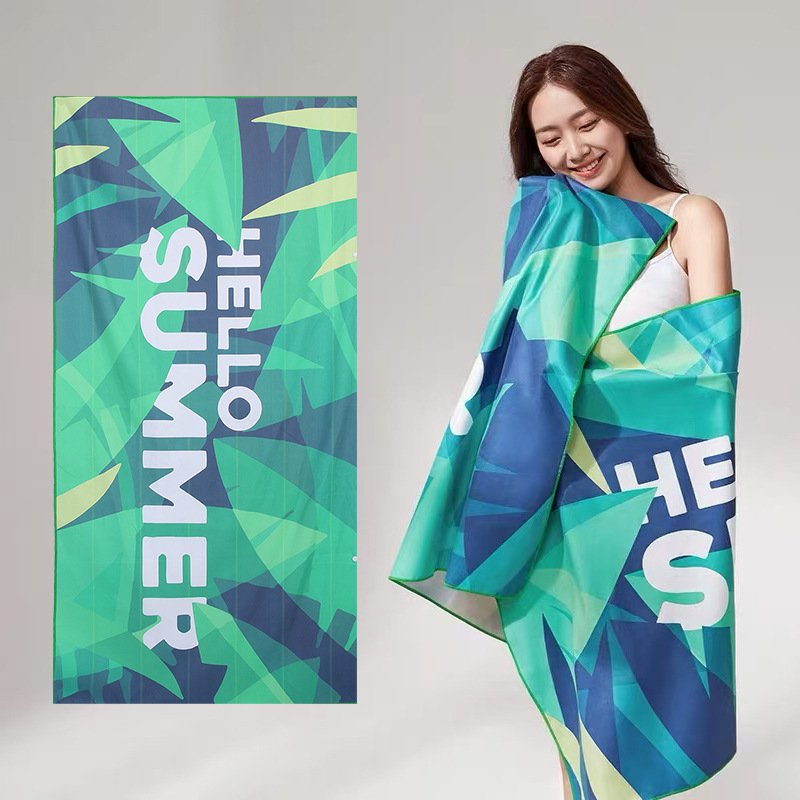
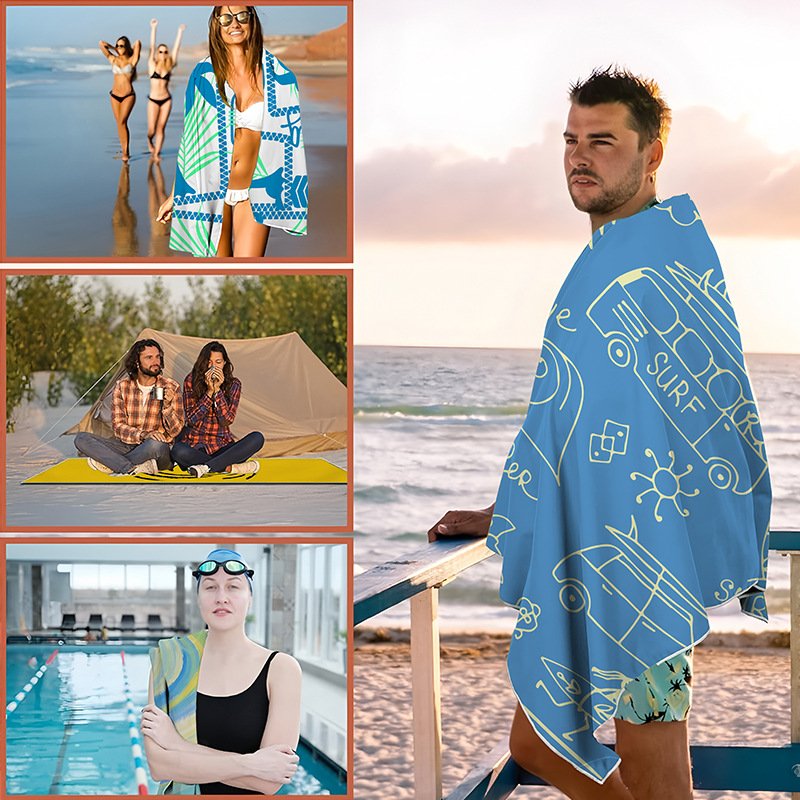
Left: Superior water absorption of microfiber | Right: Lightweight design perfect for travel
Weight and Portability
Moreover, weight matters tremendously for travelers. A typical quick drying microfiber towel can weigh as little as 200-400 grams, while a similar-sized cotton beach towel might weigh 600-1000 grams or more. Consequently, you can pack multiple microfiber towels in the space of one cotton towel, which is a game-changer for backpackers and frequent flyers.
Сопротивление песку
Additionally, anyone who’s been to the beach knows the frustration of sand stuck in towel fibers. Fortunately, microfiber’s smooth, tight weave allows sand to shake off almost completely with just a few snaps. In contrast, cotton terry towels have loops that trap sand stubbornly, requiring aggressive shaking or even washing to remove all the grains.
Expanded Comparison Table
| Особенность | Microfiber Quick Dry Towel | Traditional Cotton Beach Towel |
|---|---|---|
| Впитывающая способность | Up to ~7× own weight; excellent for quick moisture removal | Good absorbency but depends heavily on GSM and thickness |
| Время высыхания | Up to 50% faster; ready to reuse in 2-3 hours | Slower process; can take 4-6 hours or longer |
| Масса & Pack Size | Very lightweight (200-400g) and compact; rolls small | Heavier (600-1000g+) and bulkier; takes more luggage space |
| Sand Behavior | Sand shakes off easily with minimal effort | Looped terry traps sand; requires washing |
| Долговечность | Can withstand hundreds of wash cycles with proper care | Very durable but can become heavy and stiff over time |
| Texture | Smooth, soft, and gentle on skin | Plush and fluffy; traditional comfortable feel |
| Ценовой диапазон | Mid to high range; cost-effective long-term | Generally lower upfront cost |
Microfiber, Turkish Cotton, or Traditional Cotton: Which Should You Choose?
Choosing the right towel material depends entirely on your specific needs and preferences. Let’s explore when each type makes the most sense for different situations.
When to Choose Microfiber
Выберите quick dry microfiber towel if you are:
- Traveling frequently – especially backpacking, hosteling, or moving between destinations
- Going to the gym regularly – where quick drying between workouts is essential
- Camping or hiking – where weight and pack size are critical factors
- Beach hopping – and want to avoid carrying sandy, wet towels
- Living in humid climates – where cotton towels struggle to dry properly
Essentially, microfiber excels in situations where performance, portability, and fast drying are your top priorities. Furthermore, these towels are perfect for multi-day trips where you can’t afford to wait for towels to dry overnight.
When to Choose Turkish Cotton
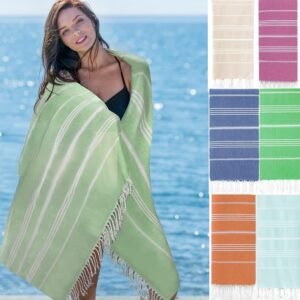
Meanwhile, турецкие пляжные полотенца. offer a middle ground. They dry faster than traditional terry cotton but still provide a more natural, luxurious feel. Choose Turkish cotton if you:
- Want a natural fiber option with better environmental credentials
- Prefer a more traditional towel texture with some plushness
- Need versatility – Turkish towels work as beach towels, wraps, scarves, and blankets
- Ценить aesthetic appeal – Turkish towels often feature beautiful patterns and colors
Turkish towels strike an excellent balance between functionality and comfort, making them popular among people who want performance without sacrificing the natural feel of cotton.
When Traditional Cotton Still Makes Sense
Traditional cotton terry towels aren’t obsolete. They still work well when you:
- Use towels primarily at home where weight and drying time aren’t concerns
- Prefer the classic fluffy texture that cotton provides
- Иметь budget constraints – cotton towels are often more affordable upfront
- Want maximum softness and don’t mind the extra bulk
Decision-Making Checklist
Quick Decision Guide:
Choose Microfiber if: Speed, weight, and pack size matter most ✓
Choose Turkish Cotton if: You want natural fibers with decent quick-dry performance ✓
Choose Traditional Cotton if: Plushness and home use are your priorities ✓
Key Features of a High-Quality Quick Dry Beach Towel
Not all quick dry beach towels are created equal. When shopping for one, whether you’re a consumer or a business buyer, there are several critical features to evaluate. Understanding these features ensures you get a towel that performs well and lasts for years.
Essential Features Checklist:
- Fabric Composition: Look for microfiber blends with polyester/polyamide ratios around 80/20 or 70/30. This blend offers the best balance of absorbency, quick drying, and durability. For natural options, choose Turkish cotton with tight flat weaves.
- GSM (Grams per Square Meter): This measurement indicates towel thickness and weight. For quick dry towels, a GSM between 200-350 is ideal. Lower GSM means lighter and faster drying, while higher GSM offers slightly more plushness.
- Colorfast Dyes: High-quality reactive or disperse dyes prevent fading even after hundreds of washes. Additionally, these dyes ensure colors stay vibrant in saltwater and chlorine, which is crucial for beach and pool use.
- Sand-Resistant Weave: The tight, smooth weave of quality microfiber prevents sand particles from embedding in the fabric. This feature is non-negotiable for пляжные полотенца без песка.
- Well-Finished Edges: Check for reinforced hemming or binding along edges. Strong stitching prevents fraying and extends the towel’s lifespan significantly.
- Wash Cycle Durability: Premium microfiber towels can withstand hundreds of wash cycles without losing absorbency or quick-dry properties. This reduces long-term cost per use dramatically, especially for businesses like hotels and gyms.
- Antimicrobial Treatment (Optional): Some manufacturers add antimicrobial finishes to prevent odor-causing bacteria. This feature is particularly valuable for gym towels and shared facilities.
- Подвесные петли: A simple but essential feature. Corner or side loops make it easy to hang the towel to dry on hooks, carabiners, or shower rods.
- Carrying Pouch: Many quality quick dry travel towels come with mesh or nylon pouches. These protect the towel and make packing more organized.
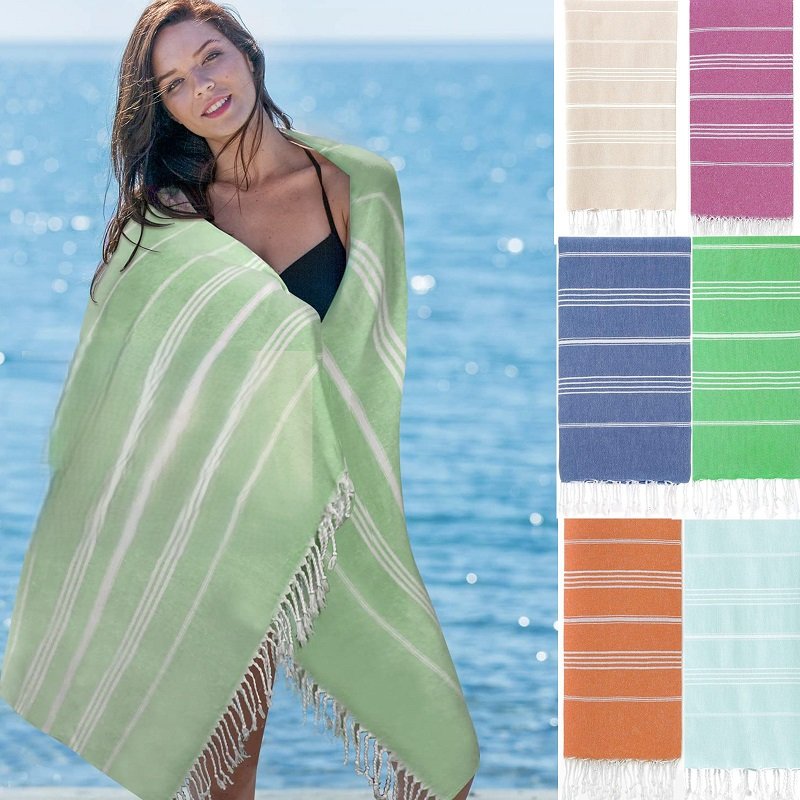
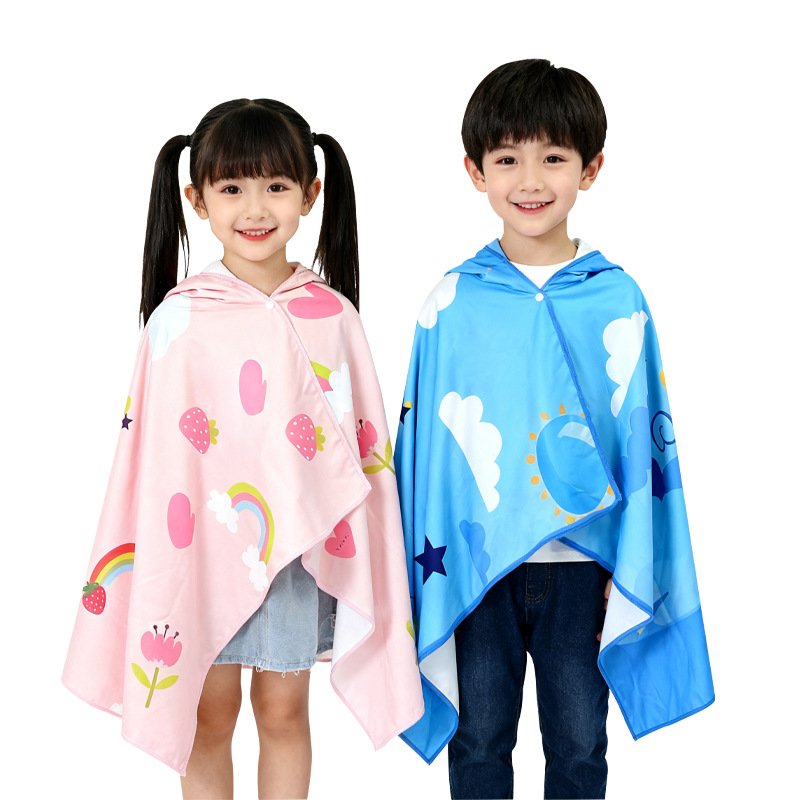
Left: Complete set with carrying pouch for travel | Right: Reinforced edges ensure long-lasting durability
“Investing in a high-quality quick dry towel means you’ll use it for years instead of months. The difference between a $10 towel and a $30 towel is often hundreds of wash cycles.”
How to Choose the Right Quick Dry Beach Towel Size and GSM
Size and GSM (Grams per Square Meter) are two of the most important specifications when selecting a fast drying beach towel. Let’s break down what these numbers mean and how to choose correctly.
Understanding GSM
GSM measures how much the fabric weighs per square meter. Think of it as the “thickness” indicator. For quick dry microfiber towels, you’ll typically see GSM ratings between 200 and 400. Here’s what each range means:
- 200-250 GSM: Ultra-lightweight and super compact. These dry the fastest and pack the smallest. Perfect for minimalist travelers and ultralight backpackers.
- 250-300 GSM: The sweet spot for most people. Balances quick drying, absorbency, and comfort. Great all-around choice for beach, travel, and gym use.
- 300-350 GSM: Slightly thicker with more cushion. Still dries quickly but offers a more luxurious feel. Ideal if you prefer a bit more plushness.
- 350-400 GSM: The upper limit for “quick dry” towels. These feel more substantial but sacrifice some drying speed and pack size.
Size Guide for Different Uses
| Size (cm) | Лучшее использование | Who It’s For |
|---|---|---|
| 30×60 cm (Small) | Gym, face towel, hand towel | Fitness enthusiasts, swimmers |
| 50×100 cm (Medium) | Travel, backpacking, camping | Minimalist travelers, hikers |
| 70×140 cm (Large) | Beach, pool, standard body drying | Most beach and pool users |
| 80×160 cm (Extra Large) | Full beach coverage, lounging, yoga | People who want maximum coverage |
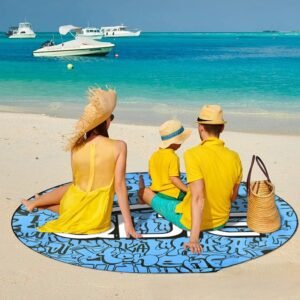
| Круглое пляжное полотенце (150 cm diameter) | Beach lounging, picnics, Instagram photos | Social media enthusiasts, groups |
Recommendations by Activity Type
For Backpacking: Choose 50×100 cm at 200-250 GSM for minimum weight and pack size
For Beach Vacations: Go with 70×140 cm at For Beach Vacations: Go with 70×140 cm at For Beach Vacations: Go with 70×140 cm at 250-300 GSM for comfort and coverage For Gym/Pool: Pick 30×60 cm or 50×100 cm at 200-250 GSM for quick transitions For Family Beach Days: Consider 80×160 cm at 300-350 GSM for lounging and sharing
Remember, smaller and lighter isn’t always better. The right size depends on how you’ll use the towel. For instance, serious travelers might prefer a 50×100 cm towel, while families heading to the beach might want the extra coverage of an 80×160 cm option.
Why Travelers Love Quick Dry Travel Towels
Ask any experienced traveler about their packing essentials, and chances are a quick dry travel towel will be on the list. But what makes these towels so beloved by globetrotters, backpackers, and adventure seekers? Let’s explore the specific reasons why travelers swear by them.
Solving Real Traveler Pain Points
Problem #1: Limited Luggage Space
Airlines constantly reduce baggage allowances, and every ounce matters when you’re trying to pack for weeks or months. Traditional cotton towels can take up a quarter of your backpack. In contrast, a quick dry microfiber towel rolls down to the size of a water bottle, freeing up precious space for clothes, electronics, and souvenirs.
Problem #2: Musty, Damp Towels
Nothing is worse than pulling out a damp, smelly towel from your bag after a day of travel. Fortunately, microfiber towels dry so quickly that you can wash them at night and pack them dry in the morning. This prevents the musty odor that plagues traditional towels in humid environments.
Problem #3: No Place to Do Laundry
When staying in hostels, budget hotels, or Airbnbs without laundry facilities, being able to hand-wash and quickly dry your towel becomes invaluable. Travelers report being able to rinse their towels in a sink and have them ready for the next swim in just a few hours.
Problem #4: Extra Weight on Long Trips
Carrying wet cotton towels adds significant weight to your pack. A soaking wet cotton towel can weigh over 2 kg, while a wet microfiber towel might weigh only 500-700 grams. Over the course of a multi-month trip, this weight difference matters tremendously for your back and shoulders.
Specific Travel Scenarios Where Quick Dry Towels Excel
- Backpacking Southeast Asia: High humidity makes cotton towels nearly impossible to dry. Microfiber solves this completely.
- Hostel Hopping in Europe: Not all hostels provide towels, and renting them adds up. Bringing your own compact towel saves money and hassle.
- Beach-Hopping Road Trips: Visit multiple beaches in one day without dealing with sandy, wet towels in your car.
- Camping and Hiking: Where every gram counts and you need gear that performs reliably in all conditions.
- RV and Van Life: Limited storage space means multi-functional, compact gear is essential.
- Business Travel with Beach Access: Pack a beach towel without sacrificing room for your work clothes and laptop.
“I’ve traveled to 47 countries with the same microfiber towel. It takes up no space, dries overnight even in monsoons, and has saved me from so many uncomfortable situations. Worth every penny.” – Travel blogger testimonial
Weight and Space Savings: Real Numbers
Let’s put the savings into perspective with actual measurements:
| Элемент | Dry Weight | Packed Size | Wet Weight |
|---|---|---|---|
| Quick Dry Microfiber Towel (70×140 cm) | 250-350g | ~Size of a water bottle | 500-700g |
| Traditional Cotton Beach Towel (70×140 cm) | 600-1000g | ~Size of a small pillow | 1800-2500g |
As you can see, the difference is substantial. Over a three-week trip, this could mean the difference between carrying a comfortable 10 kg backpack or struggling with 12+ kg.
Are Quick Dry Beach Towels Worth It?
This is perhaps the most common question people ask before making a purchase. The short answer is: absolutely yes, but let’s look at the reasoning behind that answer with some real calculations and long-term value analysis.
Cost-Per-Use Calculation
Initially, a quality quick dry beach towel might cost between $20-$40, while a basic cotton beach towel might cost $10-$20. However, when we factor in longevity and versatility, the value equation shifts dramatically.
Consider this scenario:
Quick Dry Microfiber Towel: $30 initial cost ÷ 500 uses (over 5+ years) = $0.06 per use
Traditional Cotton Towel: $15 initial cost ÷ 200 uses (over 2-3 years before replacement) = $0.075 per use
Moreover, microfiber towels maintain their performance characteristics much longer. After hundreds of wash cycles, they still dry quickly and repel sand effectively. Meanwhile, cotton towels can become stiff, faded, and less absorbent over time.
Longevity and Durability Benefits
В соответствии с textile industry research, properly cared-for microfiber towels can withstand 300-500 wash cycles without significant performance degradation. This durability translates to years of reliable service, especially important for:
- Hotels and Resorts: Where towels go through daily washing and need to maintain quality for guest satisfaction
- Gyms and Fitness Centers: Where high-volume use demands durable materials
- Rental Services: Where towel longevity directly impacts profitability
- Frequent Travelers: Who need gear that won’t fail mid-trip
Multi-Use Versatility
Another factor that boosts the value proposition is versatility. Quick dry towels aren’t just for the beach. People successfully use them for:
- Swimming pool visits
- Gym and fitness activities (including спортивные охлаждающие полотенца)
- Yoga and Pilates classes
- Camping and hiking trips
- Picnic blankets and outdoor seating
- Pet drying after baths or rainy walks (check out pet towel options)
- Car wash and detailing
- Emergency blankets in vehicles
When one item serves eight different purposes, suddenly that $30 investment looks incredibly reasonable.
Environmental Considerations
Furthermore, using a durable towel for 5+ years instead of replacing cheaper towels every 1-2 years reduces waste significantly. Additionally, the quick-drying property means less energy spent on tumble drying, which lowers your environmental footprint and electricity bills.
Environmental Impact Summary:
✓ Longer lifespan = less textile waste in landfills
✓ Air-dries quickly = reduced dryer energy consumption
✓ Many manufacturers now offer recycled polyester options
✓ Lightweight = lower shipping emissions for online orders
The Bottom Line
When you consider longevity, versatility, convenience, and environmental benefits together, quick dry beach towels deliver exceptional value. They cost slightly more upfront but save money, space, and hassle in the long run. For anyone who travels more than twice a year, visits the beach or pool regularly, or values high-performing gear, they’re absolutely worth the investment.
How to Wash a Quick Dry Microfiber Towel
Proper care is essential to maintain the performance of your quick drying microfiber towel. Fortunately, caring for these towels is straightforward. Follow these steps to ensure your towel lasts for hundreds of wash cycles while maintaining its fast-drying properties.
Step-by-Step Washing Instructions
- Separate Your Loads: Wash microfiber towels with similar synthetic materials. Avoid washing them with cotton items, as cotton lint can clog the microfiber structure and reduce absorbency.
- Используйте холодную или теплую воду: Set your washing machine to cold (30°C/86°F) or warm (40°C/104°F) water. Hot water can damage the synthetic fibers and reduce the towel’s lifespan.
- Choose a Mild Detergent: Use a small amount of liquid detergent without additives. Powder detergents can leave residue in the fibers. Avoid detergents with added softeners or strong fragrances.
- Skip the Fabric Softener: This is critical! Fabric softener coats the microfibers and dramatically reduces absorbency. Similarly, avoid dryer sheets for the same reason.
- Don’t Use Bleach: Chlorine bleach breaks down synthetic fibers and can cause discoloration. If you need to sanitize, use oxygen-based bleach alternatives sparingly.
- Select Gentle Cycle: While microfiber is durable, a gentle or normal cycle with moderate agitation is ideal. Avoid heavy-duty cycles that can stress the fibers unnecessarily.
- Dry Properly: Either air-dry by hanging (fastest) or use a tumble dryer on low heat. High heat can melt or damage synthetic fibers. Most microfiber towels air-dry in 2-3 hours.
What to Avoid – Common Mistakes
Don’t Do These Things:
✗ Using fabric softener or dryer sheets (destroys absorbency)
✗ Washing with cotton items (lint contamination)
✗ Using hot water or high heat drying (damages fibers)
✗ Over-loading the washing machine (prevents thorough cleaning)
✗ Using excessive detergent (causes buildup in fibers)
✗ Ironing microfiber (heat damage risk)
Why These Care Steps Matter
You might wonder why these rules are so specific. The reason is simple: microfiber’s performance depends entirely on the structure of its ultra-fine fibers. When you use fabric softener, it coats these fibers with a waxy layer, preventing them from absorbing water effectively. Similarly, high heat can partially melt the polyester, causing the fibers to lose their shape and absorbent properties.
Following proper care instructions allows your towel to maintain its quick-dry characteristics for years. According to cleaning industry experts, well-maintained microfiber products can perform at near-original levels even after 300-500 washes.
Care and Washing Tips to Keep Quick Dry Towels Performing
Beyond basic washing, there are additional care practices that extend the life and performance of your fast drying beach towel. Let’s explore some pro tips that make a real difference.
Storage Recommendations
Proper storage prevents odor, mildew, and fiber damage:
- Always Store Completely Dry: Never fold and store a damp towel, even for a few hours. This creates the perfect environment for bacteria and mildew growth.
- Use Breathable Storage: Store towels in mesh bags or open shelves rather than sealed plastic bins. Air circulation prevents musty odors.
- Avoid Direct Sunlight for Long Periods: While microfiber can handle sun-drying, prolonged UV exposure during storage can fade colors over time.
- Keep Away from Sharp Objects: Microfiber can snag on velcro, rough surfaces, or sharp edges. Store separately from items with hooks or abrasive surfaces.
Dealing with Odors
Occasionally, microfiber towels can develop odors, especially if they’ve been packed away damp or used intensively. Here’s how to refresh them:
- Vinegar Rinse: Add 1 cup of white vinegar to the rinse cycle (no detergent). This strips away detergent buildup and kills odor-causing bacteria.
- Baking Soda Soak: For stubborn odors, dissolve 2-3 tablespoons of baking soda in warm water and soak the towel for 30 minutes before washing normally.
- Sun Exposure: Natural sunlight has antibacterial properties. Hang the towel in direct sun for a few hours to naturally deodorize.
- Avoid Overuse Between Washes: Even quick-dry towels benefit from regular washing. For beach use, wash after every 2-3 uses to prevent bacteria buildup.
When to Replace Your Towel
Even with perfect care, towels eventually need replacement. Watch for these signs:
- Significantly reduced absorbency that doesn’t improve after vinegar washing
- Permanent stains or discoloration that affect appearance
- Frayed edges or holes from wear and tear
- Persistent odors that won’t disappear despite cleaning efforts
- Noticeable decrease in drying speed
Typically, a quality microfiber towel from a reputable manufacturer should last 3-5+ years with regular use and proper care.
Eco-Friendly and Recycled Fiber Options for Quick Dry Towels
Environmental consciousness is increasingly important to consumers and businesses alike. Fortunately, the textile industry has responded with innovative eco-friendly options for quick dry towels. Let’s explore what’s available and why it matters.
Recycled Polyester Microfiber
One of the most significant developments in sustainable textiles is recycled polyester microfiber. These towels are made from post-consumer plastic bottles and textile waste, offering the same performance as virgin polyester while reducing environmental impact. Here’s why recycled beach towels are gaining popularity:
- Waste Reduction: Each towel diverts approximately 10-15 plastic bottles from landfills or oceans
- Lower Carbon Footprint: Recycled polyester production uses about 50-60% less energy than virgin polyester manufacturing
- Identical Performance: Recycled microfiber performs identically to virgin microfiber in terms of absorbency, drying speed, and durability
- Certification Standards: Look for OEKO-TEX certification and GRS (Global Recycled Standard) verification
Organic and Sustainable Cotton Options
For those who prefer natural fibers, organic Turkish cotton towels offer an environmentally responsible alternative:
- Pesticide-Free Cultivation: Organic cotton is grown without synthetic pesticides or fertilizers
- Water Conservation: Many organic cotton farms use rain-fed irrigation rather than water-intensive systems
- Biodegradable: Unlike synthetic fibers, cotton breaks down naturally at end of life
- Fair Trade Options: Many suppliers now offer fair-trade certified cotton that ensures ethical labor practices
Why Eco-Friendly Matters to B2B Buyers
Businesses are increasingly prioritizing sustainable products for several compelling reasons:
- Consumer Demand: В соответствии с consumer research, over 70% of millennials are willing to pay more for sustainable products
- Brand Differentiation: Eco-friendly products help companies stand out in competitive markets
- Regulatory Compliance: Many regions are implementing stricter environmental regulations for textiles
- Corporate Responsibility: Sustainability initiatives align with broader ESG (Environmental, Social, Governance) goals
- Long-Term Cost Savings: Durable, recyclable products reduce replacement costs and waste management expenses
Eco-Friendly Certification Checklist:
✓ Стандарт ОЭКО-ТЕХ 100: Ensures no harmful substances in textiles
✓ Global Recycled Standard (GRS): Verifies recycled content percentage
✓ GOTS (Глобальный стандарт органического текстиля): For organic cotton products
✓ Синий знак: Comprehensive environmental and safety certification
✓ BSCI (Инициатива по социальному соответствию бизнеса): Ensures ethical manufacturing practices
Quick Dry Beach Towel Market Growth & Trends (2025-2035)
Understanding market dynamics helps both consumers and businesses make informed decisions. The beach towel industry, particularly the quick-dry segment, is experiencing remarkable growth driven by changing consumer preferences and lifestyle trends.
Market Size and Projections
As shown in the data table at the beginning of this article, the global beach towel market is projected to grow from approximately USD 4.2 billion in 2025 to USD 7.9 billion by 2035, representing a compound annual growth rate (CAGR) of about 6.2%. This substantial growth reflects several key trends:
- Rising Tourism: International and domestic tourism continues expanding, particularly in Asia-Pacific and emerging markets
- Premiumization: Consumers are willing to invest in higher-quality, performance-oriented towels
- Multi-Functional Products: Demand for versatile gear that serves multiple purposes is accelerating
- E-Commerce Growth: Online shopping makes it easier for consumers to discover and purchase specialized products
Asia-Pacific: The Growth Leader
The Asia-Pacific region is expected to record one of the highest growth rates, with China specifically highlighted at approximately 7.5% CAGR. This growth is supported by:
- Manufacturing Excellence: China remains a global hub for textile manufacturing, with advanced production capabilities. According to manufacturing history research, China’s textile industry has evolved from basic production to sophisticated, high-tech operations.
- Export Strength: Chinese manufacturers supply beach towels to brands worldwide, from budget to premium segments
- Domestic Market Expansion: Rising middle class and increased leisure travel within China drive local demand
- Innovation Investment: Major manufacturers are investing in R&D for better materials and production methods
What’s Driving Quick Dry Towel Demand?
Several specific factors are pushing consumers toward quick dry microfiber towels over traditional options:
- Adventure Travel Boom: Backpacking, camping, and outdoor adventure activities are more popular than ever, especially among millennials and Gen Z
- Minimalist Lifestyle Movement: People are gravitating toward multi-functional, space-saving products that align with minimalist values
- Fitness Culture Growth: Gym memberships and outdoor fitness activities create demand for compact, fast-drying towels
- Environmental Awareness: Longer-lasting products that reduce waste appeal to eco-conscious consumers
- Digital Nomad Lifestyle: More people are working remotely while traveling, creating demand for high-performance travel gear
Premium vs Budget Segments
The market is bifurcating into distinct segments:
Premium Segment ($30-$60+ per towel):
- High GSM microfiber with superior softness
- Recycled and eco-friendly materials
- Advanced features (antimicrobial treatment, UV protection)
- Designer patterns and premium branding
- Comprehensive warranty and customer service
Budget Segment ($10-$25 per towel):
- Basic microfiber or thin cotton blends
- Standard colors and simple designs
- Functional performance without premium features
- Mass-market distribution channels
Interestingly, the premium segment is growing faster than the budget segment, indicating that consumers value quality and are willing to invest in products that deliver superior performance and longevity.
Why Work With a China Quick Dry Beach Towel Manufacturer?
For businesses looking to source quick dry beach towels at scale, understanding manufacturing options is crucial. China has established itself as the global leader in textile manufacturing, and there are compelling reasons why brands worldwide partner with Chinese manufacturers for their towel needs.
Manufacturing Excellence and Infrastructure
China’s textile industry has evolved tremendously over the past few decades. According to historical analysis, what began as low-cost, basic production has transformed into sophisticated manufacturing with cutting-edge technology and quality control. Here’s what sets Chinese manufacturers apart:
- Advanced Production Technology: Leading factories utilize automated weaving, precision dyeing systems, and computerized quality inspection
- Vertical Integration: Many manufacturers control the entire supply chain from fiber sourcing to finished product, ensuring consistency and cost efficiency
- Scalability: Chinese factories can accommodate orders from small batches (as low as 100 pieces) to massive volumes (100,000+ pieces) without sacrificing quality
- Speed to Market: Established logistics networks and efficient production processes mean faster turnaround times
Quality Control Standards
Reputable Chinese towel manufacturers maintain rigorous quality control systems:
- International Certifications: ISO 9001 (quality management), ISO 14001 (environmental management), and product-specific certifications like OEKO-TEX Standard 100, BSCI, SGS, and FDA approval
- Multi-Stage Inspection: Raw material inspection, in-process quality checks, and final product testing before shipment
- Laboratory Testing: On-site labs test for colorfastness, absorbency, tear strength, and dimensional stability
- Third-Party Audits: Many factories welcome audits from international inspection companies to verify standards
OEM and ODM Capabilities
Chinese manufacturers excel at both OEM (Original Equipment Manufacturing) and ODM (Original Design Manufacturing) partnerships:
OEM Services:
- Produce towels to your exact specifications and designs
- Apply your branding, labels, and packaging
- Maintain consistency across multiple production runs
- Provide samples for approval before mass production
ODM Services:
- Offer design consultation and trend insights
- Create custom patterns, colors, and features
- Develop exclusive products for your brand
- Provide technical expertise on materials and construction
Competitive Pricing Advantages
Cost efficiency remains a significant factor in choosing Chinese manufacturers, but it’s important to understand what drives these advantages:
- Economies of Scale: Large production volumes reduce per-unit costs
- Efficient Supply Chains: Direct access to raw materials (polyester, nylon) produced domestically
- Optimized Processes: Decades of manufacturing experience have eliminated inefficiencies
- Competitive Labor Markets: While costs have risen, they remain lower than Western markets while offering skilled labor
Customization and Material Options
Leading Chinese towel manufacturers offer extensive customization:
- Material Choices: Standard microfiber, premium blends, recycled polyester, organic cotton, bamboo fiber
- Size Range: From compact travel sizes (30×60 cm) to oversized beach blankets (100×180 cm), plus round options
- GSM Options: 180-400 GSM to match different performance and price points
- Color and Pattern: Solid colors, prints, digital printing with no minimum order quantity, reactive dyes, disperse dyes
- Special Features: Antimicrobial treatment, UV protection, hanging loops, zippered pockets, carrying pouches
- Packaging Solutions: Individual poly bags, gift boxes, mesh bags, branded packaging
Why Partner With Favor Houseware Co., Ltd.
As an experienced manufacturer with 15 years of expertise, Фавор Посуда Ко., Лтд. (chinatowelmanufacturer.com) combines all these advantages with specialized expertise in quick dry towels. Located in Yiwu, Jinhua, Zhejiang Province, China, our facility offers:
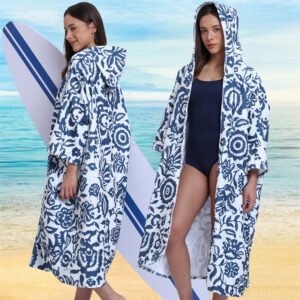
- Comprehensive Product Range: Specializing in турецкие пляжные полотенца., пляжные полотенца без песка, круглые пляжные полотенца, хлопковые пляжные полотенца, пляжные полотенца из микрофибры, changing ponchos, surf changing robes, and спортивные охлаждающие полотенца
- Customized Design Capabilities: Digital printing with no minimum order quantity for printing, allowing businesses of all sizes to create unique branded towels
- Premium Materials: High-quality yarn, sustainable and eco-friendly material options, imported weaving machines for superior quality
- Low MOQ Flexibility: Minimum order quantity starting from just 100 pieces, supporting small to large businesses
- Advanced Equipment: Automatic sewing machines and state-of-the-art production technology ensuring high efficiency
- Strict Quality Control: Quality inspection at every stage from raw materials to final packing and shipment
- Full Certifications: BSCI, OEKO-TEX 100, SGS, and FDA certified, ensuring compliance with international standards
- Fast Delivery: Available stock for quick shipping, plus efficient production timelines for custom orders
- Free Samples: Clients only pay freight costs, allowing you to evaluate quality before placing orders
- Secure Payment Options: Multiple payment methods with secure trade processes for your peace of mind
- Personalized Branding: Complete customization for wholesale and promotional towels, perfect for corporate branding
Our manufacturing process follows strict standards through seven key stages: weaving, printing, cutting, sewing, inspecting, packing, and shipping. This ensures consistent high quality for every order, whether you need 100 pieces or 100,000 pieces.
Whether you’re a retailer looking to launch a private label line, a hotel chain seeking premium guest amenities, or an outdoor brand expanding your product catalog, partnering with an experienced Chinese manufacturer like Favor Houseware ensures you receive quality products, competitive pricing, and reliable service.
B2B Partnership Benefits Summary:
✓ 15 years of specialized beach towel manufacturing experience
✓ Quality certifications (BSCI, OEKO-TEX 100, SGS, FDA)
✓ Ultra-low MOQ (starting from 100 pieces)
✓ No MOQ for digital printing customization
✓ Comprehensive customization options for brand differentiation
✓ Eco-friendly and sustainable material choices
✓ Fast production and delivery from Yiwu, China
✓ Доступны бесплатные образцы (только доставка)
✓ Secure payment and reliable communication
Quick Dry Beach Towel FAQs
Вот наиболее распространенные вопросы, которые задают люди quick dry beach towels, answered clearly and concisely.
Are quick dry beach towels worth it?
Yes, quick dry beach towels are absolutely worth it for travelers and frequent swimmers. They dry significantly faster than traditional cotton towels, pack much smaller, and often repel sand better. Additionally, they reduce the risk of damp, musty towels in your luggage and prove convenient for multi-use days at the beach, pool, and gym. The initial investment pays off through years of reliable performance.
What material is best for a quick dry beach towel?
The best materials for quick-dry performance are микрофибра (usually a polyester/polyamide blend) and lightweight flat-woven cotton like Turkish towels. Microfiber generally offers the fastest drying and most compact packing, while Turkish cotton provides a more natural hand feel with quicker drying than thick terry cotton. Your choice depends on whether you prioritize maximum performance or natural fiber preference.
Пляжные полотенца из микрофибры сохнут быстрее, чем хлопковые?
Yes, microfiber beach towels typically dry up to 50% faster than cotton because the thin synthetic fibers hold less water and expose more surface area to air. Tests and industry reports consistently show microfiber can reduce drying time by approximately half when compared with similar-size cotton towels under identical conditions. This makes them ideal for situations where quick turnaround is important.
Are quick dry towels good for the beach?
Quick dry towels are especially excellent for the beach because they shake off sand easily and dry quickly between swims, reducing weight and dampness in your bag. Their compact size also makes them popular as multi-use beach blankets, sarongs, and travel towels. Furthermore, many beachgoers appreciate not having to deal with heavy, sandy towels at the end of the day.
How do you wash a quick dry microfiber towel?
Wash microfiber towels with similar synthetic loads in cold or warm water, avoid fabric softener and bleach completely, and tumble dry on low heat or line dry to protect the fibers. Additionally, use only mild liquid detergent in small amounts. These care steps keep the fibers open and maintain both absorbency and fast-drying properties over many wash cycles, typically 300-500 washes when properly cared for.
Are microfiber towels safe for skin?
Most microfiber towels designed for personal use are completely safe for skin. They’re widely used for hair, body, and even facial towels because of their softness and efficient moisture removal. For sensitive skin and children, many brands choose softer weaves or blended fibers to improve comfort while retaining quick-dry performance. Look for OEKO-TEX certified towels for additional assurance of safety.
What size quick dry towel is best for travel?
Common travel sizes range from about 60×120 cm for body use to 80×160 cm for full beach coverage, balancing coverage with packability. Many travel-focused brands also offer compact XL sizes that still roll down small thanks to low-GSM microfiber fabrics. For minimalist backpackers, 50×100 cm provides adequate coverage while maximizing space savings. Choose based on your specific activities and packing priorities.
Can you use quick dry towels for swimming pools?
Absolutely! Quick dry towels work excellently for swimming pools. They’re chlorine-resistant, dry quickly between swims, and don’t absorb excessive water weight. Many competitive swimmers and regular pool-goers prefer microfiber towels because they can rinse them after use and have them dry before the next swim session. They’re also compact enough to fit in gym bags easily.
How long does it take for a microfiber towel to air dry?
Under normal conditions with good air circulation, a microfiber towel typically air-dries in 2-3 hours when hung properly. This compares to 4-6+ hours for traditional cotton terry towels of similar size. Factors affecting drying time include humidity, air temperature, air flow, and towel thickness (GSM). Even in humid environments, microfiber towels usually dry overnight when hung in a well-ventilated area.
Do quick dry towels absorb as much water as regular towels?
Yes, quality microfiber towels can absorb up to 7 times their weight in water, which often exceeds regular cotton towels on a per-gram basis. While they may feel thinner, their high surface area and capillary action make them extremely efficient at moisture absorption. The difference is that they release water much faster when you wring them out or hang them to dry.
Conclusion: Making the Smart Choice for Your Beach Towel Needs
Throughout this comprehensive guide, we’ve explored why quick dry beach towels have become essential gear for travelers, beachgoers, athletes, and anyone who values high-performance equipment. Let’s recap the key points:
Прежде всего, quick drying microfiber towels offer undeniable performance advantages. They dry up to 50% faster than traditional cotton, absorb up to 7 times their weight in water, and pack down to a fraction of the size. These benefits translate directly into real-world convenience, whether you’re backpacking through Southeast Asia, visiting multiple beaches in one day, or simply want a towel that’s ready to use again quickly.
Moreover, the versatility of these towels extends far beyond the beach. From gym workouts to camping trips, from yoga classes to emergency car supplies, a quality quick dry towel proves its value repeatedly. When you consider longevity—with proper care lasting 5+ years and hundreds of wash cycles—the investment becomes even more compelling.
The market data confirms what savvy consumers already know: demand for premium, fast-drying towels is growing rapidly. The global beach towel market is projected to nearly double by 2035, driven primarily by consumers seeking exactly these performance characteristics. This growth reflects a broader shift toward quality, multi-functional products that enhance our active lifestyles.
For businesses, the opportunity is equally clear. Whether you’re a retailer, hotel chain, gym operator, or outdoor brand, offering high-quality quick dry towels meets genuine customer demand. Partnering with experienced manufacturers who understand the technical requirements and can deliver consistent quality is crucial for success in this growing market.
Your Next Steps
If you’re a consumer looking for your first quick dry towel or upgrading from a basic model, remember these key selection criteria:
- Choose the right size for your primary use (50×100 cm for travel, 70×140 cm for beach)
- Look for 250-300 GSM for the best balance of performance and comfort
- Verify quality through certifications like OEKO-TEX, BSCI, or SGS
- Consider eco-friendly options like recycled polyester if sustainability matters to you
- Check customer reviews for real-world performance feedback
For more information about beach towel options and manufacturing capabilities, explore the complete каталог продукции featuring various styles, sizes, and customization options.
Ready to Source Premium Quick Dry Beach Towels?
If you’re a business looking for reliable, high-quality quick dry beach towel manufacturing, Фавор Посуда Ко., Лтд. is your trusted partner. With 15 years of specialized experience in beach towel production, we offer unmatched quality and service:
- ✓ Comprehensive customization (sizes, colors, GSM, designs, patterns)
- ✓ Digital printing with NO minimum order quantity
- ✓ Ultra-low MOQ starting from just 100 pieces
- ✓ Premium and sustainable materials including recycled polyester
- ✓ Full certification support (BSCI, OEKO-TEX 100, SGS, FDA)
- ✓ Advanced production with imported weaving machines
- ✓ Strict quality control from raw materials to final shipment
- ✓ Competitive wholesale pricing for all order sizes
- ✓ Fast delivery from our factory in Yiwu, Zhejiang Province
- ✓ Free samples available (you only pay freight)
- ✓ Secure payment methods and professional customer service
Visit our website at chinatowelmanufacturer.com to explore our full product range and manufacturing capabilities.
Contact our team today for samples, quotes, and consultation. Whether you’re launching a new product line, expanding your current offerings, or seeking a reliable long-term manufacturing partner with flexible MOQs and customization options, we’re here to help you succeed.
🌐 Learn more: Посещать our main website | Browse our products
Don’t settle for mediocre towels that fail after a few months. Choose manufacturing excellence with 15 years of proven track record, choose reliability with international certifications, choose Favor Houseware Co., Ltd.—your partner in delivering premium quick dry beach towels that your customers will love and trust.
This article was last updated in January 2026. Market data and statistics are current as of publication date. Product specifications and features may vary by manufacturer and model. Favor Houseware Co., Ltd. is located in Yiwu, Jinhua, Zhejiang Province, China.
Просмотры: 3