
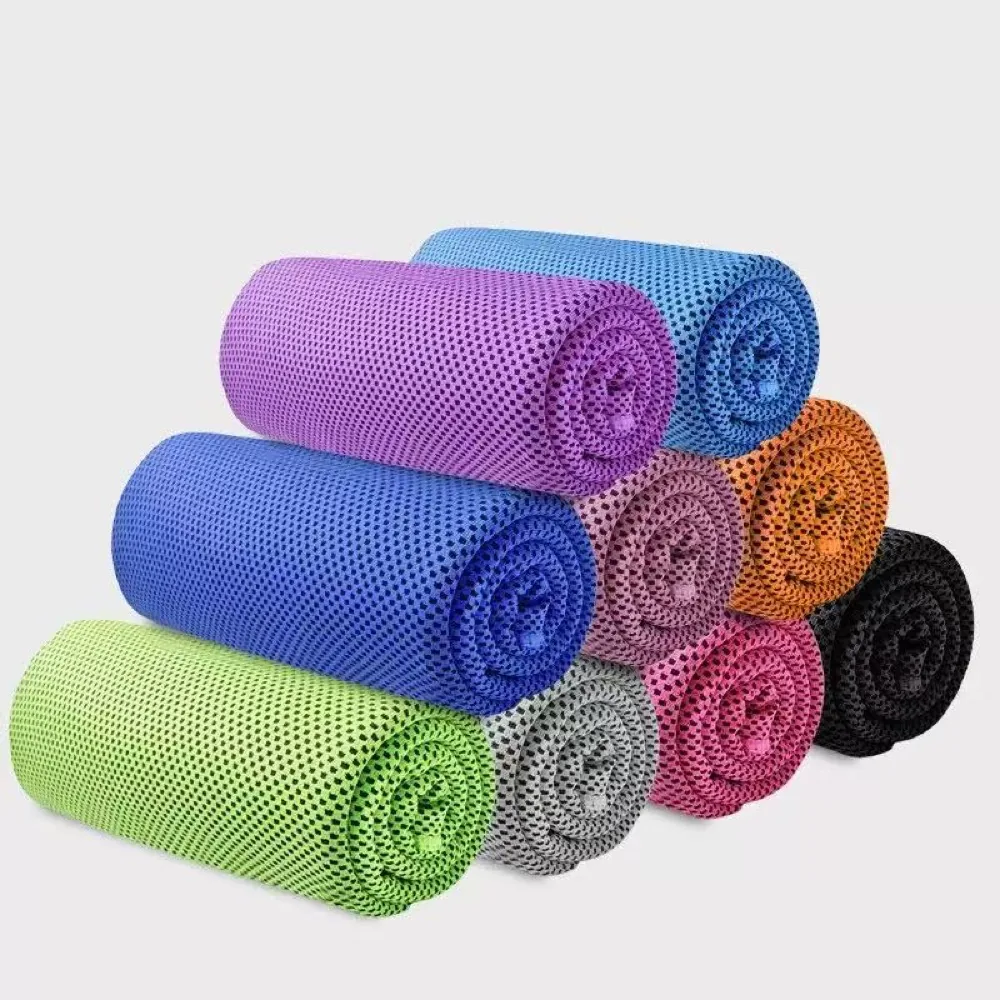
תשובה מהירה: Most reusable cooling towels use water evaporation to create a cooling sensation. PVA generally stores more water but can dry stiff; microfiber usually remains soft when dry. For wholesale orders, compare the actual fabric, care requirements, print compatibility and approved sample—not an unsupported promise of a particular temperature drop.
Cooling towels appear in sports shops, event packs and promotional merchandise. For brands and importers, however, choosing a product requires more than selecting a color. This guide separates material behavior from marketing claims and explains what to confirm before ordering custom cooling towels from Favor Houseware.
How Do Cooling Towels Work?
Most reusable cooling towels work through evaporative cooling: water held in the material absorbs heat as it evaporates. Their performance depends on moisture, humidity, airflow and use conditions. This is different from the brief cool sensation of a dry fabric touching skin, which concerns initial heat transfer rather than a continuing supply of evaporating water.
ה US Geological Survey explains that evaporation requires energy and removes heat from the surroundings. A wet towel provides a surface for this process; it does not actively refrigerate itself.
Why Humidity and Airflow Matter
Humid air limits further evaporation, while air movement can help moisture leave an exposed towel. Covering it tightly can restrict that process. Water retention alone does not prove stronger cooling: the water must also evaporate. Evaluate the product under the temperature, humidity and activity conditions your customers will encounter.
Technical reference: Ergodyne’s cooling technology guidance identifies humidity and airflow as relevant conditions for wet evaporative products. Its product-specific duration claims are not specifications for FAVOR towels.
Evaporative Cooling Is Not the Same as Cool-to-Touch Fabric
A dry textile can initially feel cool because of heat exchange at the skin–fabric interface. Textile research discusses this transient sensation separately from prolonged thermal behavior. Ask whether a supplier’s claim concerns initial contact, wet use or a documented test. Do not treat a “cool-touch” label as proof of hours of cooling.
Research reference: Transient thermal response of textile fabrics, on thermal properties associated with tactile warm–cool feeling.
How to Use a Cooling Towel
For many reusable evaporative towels, wet the material, remove excess water and expose it to air before placing it against suitable skin areas. Rewet when needed. Follow the instructions for the specific product: a stiff, dry PVA towel may need soaking before unfolding, while a flexible microfiber towel may require different preparation.
- Wet: Saturate the towel with clean water as directed.
- Wring: Gently remove excess water without damaging the material.
- Wave or snap: Do this only if recommended; it encourages airflow rather than switching on refrigeration.
- Position: Drape loosely around the neck or apply to the forehead or another appropriate area. Keep airways clear.
- Refresh: Rewet when cooling diminishes, and clean after use according to the care label.
Do not force open a hardened PVA towel; soften it first. Avoid prolonged storage while dirty and damp. Activation and washing directions should accompany branded cooling towels rather than being left to the customer to guess.
PVA vs. Microfiber Cooling Towels
PVA and microfiber can both support evaporative cooling, but they differ in construction, feel, storage and decoration requirements. Polyvinyl Alcohol (PVA) towels are commonly sponge-like and water-retentive. Microfiber is a fine-fiber textile category, often polyester or polyester/polyamide. Neither material name alone establishes cooling duration, temperature reduction or the quality of a finished towel.
On a phone, swipe horizontally to read all columns. These are general purchasing considerations, not a laboratory comparison of FAVOR products.
| תכונה | PVA cooling towel | Microfiber cooling towel |
|---|---|---|
| Material composition | Polyvinyl Alcohol-based porous material; reinforcement and formulation vary. | Fine synthetic fibers, commonly polyester or polyester/polyamide. Confirm the actual composition. |
| Cooling mechanism | Evaporation from retained water when wet and exposed to air. | Evaporation from moisture held and distributed through the textile. |
| Water absorption | Typically sponge-like; absorption depends on construction. | Depends on fiber blend, knit, finish and fabric weight. |
| Moisture retention | Often holds substantial water; assess the actual sample. | Varies by construction. Lightweight options may need more frequent rewetting. |
| Dry-state softness | Commonly becomes stiff; rewet before unfolding. | Generally remains soft and flexible when dry. |
| Breathability | Porosity, thickness and wetness affect feel; air exposure matters. | Mesh and other open constructions can affect airflow; do not judge by fiber name alone. |
| מִשׁקָל | Compare dry weight and weight after wetting. | Compare finished weight, dimensions and retained water; thin products are not automatically better. |
| Printing compatibility | Requires material-specific ink and process approval; do not assume standard textile sublimation applies. | Suitable polyester-based blanks may accept sublimation. Blends and finishes require trials. |
| Durability and care | Protect hardened material from forced folding; follow its wash and drying instructions. | Follow instructions for the textile and print; confirm shrinkage and wash appearance. |
| Recommended applications | Projects prioritizing water retention and accepting wet-use handling. | Sports, travel and promotional projects prioritizing flexible handling and compatible decoration. |
Manufacturer guidance supports the distinction between water-retentive PVA and soft-when-dry microfiber. CORE documents PVA’s porous structure and dry-state stiffness; Frogg Toggs discusses material-specific care. These references describe their own products, not verified performance of every towel.
What Are the Best Cooling Towels for Different Uses?
The best cooling towels are those matched to their users, environment and care routine—not a universal winning material. Compare samples for wet comfort, handling, rewetting, packability and branding. For teams or workplaces, also check hygiene instructions and whether the product can be used without interfering with clothing, equipment or established safety procedures.
Sports, Fitness, Running and Marathons
Flexible microfiber is worth evaluating when dry softness, low bulk and easy carrying matter. Trial the wet sample during the intended activity. An ordinary sports or gym towel serves drying needs; do not assume that all sports towels have the same cooling construction.
Outdoor Workers
Check compatibility with work tasks and protective equipment. A towel is a comfort accessory, not a substitute for a heat-safety program. OSHA’s guidance emphasizes water, rest and shade. Do not market a towel as guaranteed protection against heat illness.
Corporate Promotional Gifts and Events
Prioritize an understandable care insert, readable logo, suitable packaging and a realistic arrival schedule. For mass giveaways, instructions and sample consistency are more useful than an unsupported “instant cooling” claim.
Wholesale Cooling Towels: What Buyers Should Know
Buying wholesale cooling towels requires an agreed specification, not just a quantity and color. Establish the material, dimensions, weight, branding, packaging and quality checks before comparing quotations. Minimum orders and production time depend on the actual project. Ask for a representative sample and a complete delivered-price explanation, including the scope of the quoted shipping terms.
Build a Clear Specification
- חוֹמֶר: Record the composition, construction and finish—not just “cooling fabric.”
- Common formats: Compare neck-wrap-style rectangles, wider towels and hooded capes. Dimensions vary; agree finished measurements and tolerances rather than assuming one industry-standard size.
- Weight and thickness: Specify grams per square meter (GSM), finished weight or thickness as appropriate to the material.
- Quantities: State pieces per design, color and packaging version, including any mixed-design request.
- Sampling: Identify whether approval covers stock material, your printed artwork or a complete packaged sample.
Packaging, Timing and Inspection
Options may include individual bags, printed header cards or carry containers. Confirm ventilation, product fit, insert language and whether a clean towel must be dry before long-term storage. Retail packaging is not permission to store a used wet towel indefinitely.
Separate sampling, artwork approval, production and transport in the schedule. FAVOR’s cooling-towel lead time is confirmed with the selected specification and quantity; this guide does not assign an unverified universal figure.
Agree checks for composition documentation, dimensions, weight, seam finish, print placement, color transfer, wash appearance, quantity and packaging. Any cooling-performance claim needs a defined test method and conditions—not a photograph of an unrelated thermometer.
Custom Cooling Towels With Logo
Custom cooling towels with logo require a decoration method matched to the exact material and finish. Polyester-compatible sublimation can suit some textile blanks; PVA requires its own validated process. Approve a decorated sample for appearance, feel and care compatibility. A method that works on one cooling towel should not automatically be offered on every material.
Digital Sublimation Printing
Sublimation is suited to appropriate polyester substrates and generally works best on white or light bases. Epson explains the polyester-substrate and light-base requirements. It is not a blanket solution for PVA, nylon-rich blends or every polyester/polyamide fabric.
Confirm composition and heat compatibility, then inspect the actual printed sample. Evaluate color, stretch, surface feel and wash appearance rather than treating “digital printing” as one interchangeable process.
Screen Printing, Colors and Labels
Screen printing may suit a placement logo where the ink, curing and material are compatible. For PVA, request specific process evidence and testing instead of assuming a standard fabric ink will adhere. Large print areas can change feel and handling; sample them.
For branded cooling towels, agree custom colors, logo dimensions, one- or two-sided artwork, labels and individual packaging. Discuss these through FAVOR’s custom solutions service, subject to the selected fabric and approved sample.
Some suitable digital-printing projects can start at 100 pieces per design. This is not a uniform MOQ for all cooling towels, PVA products, custom-dyed colors or packaging formats. Confirm eligibility in the quotation; mixed designs may require different pricing.
How to Choose a Reliable Cooling Towel Manufacturer
A reliable cooling towel manufacturer should explain the material, review your artwork, identify production limits and define sample approval and quality checks. Ask for evidence relevant to your order, including realistic capacity and export arrangements. A useful cooling towel supplier clarifies what is confirmed, what needs testing and what is included in the quotation.
- Material knowledge: Can the team distinguish composition, construction and cooling claims?
- התאמה אישית: Are the print method, label and packaging practical for the selected sample?
- Evaluation: Is there a clear record of the approved measurements and artwork?
- Quality control: Are checks and acceptance criteria agreed before production?
- Capacity: Can the supplier support your quantity and schedule without relying on unsupported headline figures?
- Exports: Are destination, documentation, freight responsibilities and delivery scope clear?
Working With Favor Houseware
Favor Houseware works with brands, wholesalers, importers and promotional buyers on custom towel projects. Our current cooling towel product page covers polyester microfiber and polyester/polyamide options, printed towels, capes and packaging discussions. PVA appears here for comparison; its availability from FAVOR has not been confirmed.
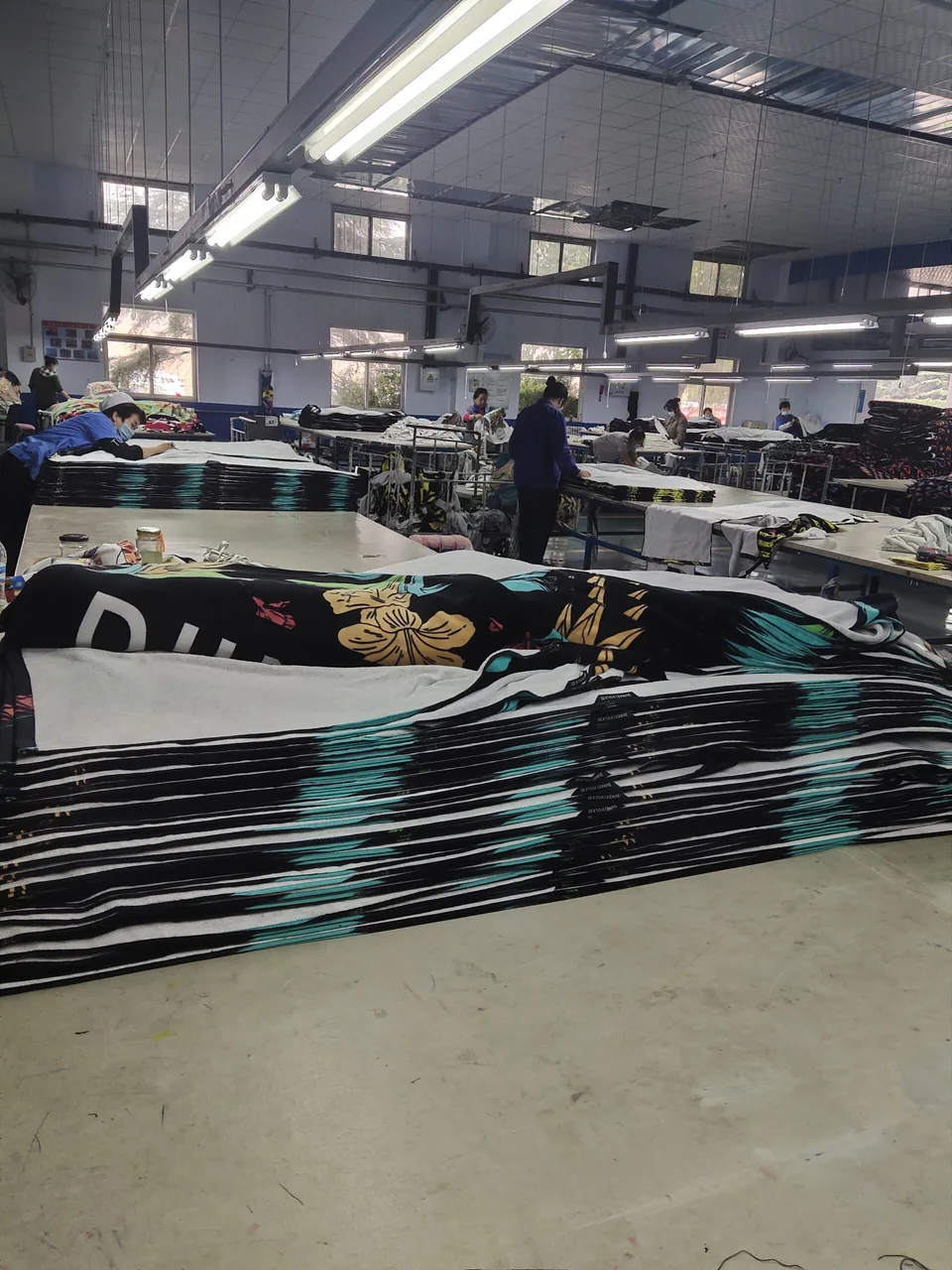
Review our company and manufacturing information, then share your application, quantity, artwork and destination. We can review the relevant fabric, printing, finishing and packing requirements before you commit to an order.
שאלות נפוצות
These answers summarize general material behavior and procurement considerations. They are not specifications or guarantees for an individual product. Use the selected towel’s care instructions, approved sample and written quotation for final decisions. When a performance claim matters, ask what was measured, how it was measured and under which conditions.
Do cooling towels really work?
Wet evaporative towels can provide cooling as water evaporates. The sensation depends on the material, humidity, airflow and use conditions. They are not refrigeration devices or guaranteed protection against heat illness.
How long do cooling towels stay cold?
There is no single reliable duration for every towel. Moisture, air movement, humidity and exposure change the result. Rewet as needed and do not apply another brand’s advertised hours to an untested product.
Are PVA cooling towels better than microfiber?
Not universally. PVA often prioritizes water retention and needs care when dry and stiff. Microfiber generally stays flexible when dry. Compare representative samples for the intended use rather than claiming one always cools more.
Can cooling towels be customized with logos?
Yes, when the decoration is compatible with the selected material. Suitable polyester blanks may accept sublimation; screen printing and other methods require approval. Do not assume those processes transfer directly to PVA.
Can cooling towels be machine washed?
Some can, but follow the product-specific care label and decoration instructions. Do not prescribe one temperature, detergent, bleach treatment or dryer setting for all PVA and microfiber towels.
What is the minimum order quantity for custom cooling towels?
MOQ depends on material, printing, colors and packaging. Some suitable FAVOR digital-printing projects may start at 100 pieces per design. Confirm the exact towel’s eligibility; this is not a general PVA or all-product minimum.
Looking for Custom Cooling Towels for Your Brand?
Explore material options, logo customization, packaging solutions, and wholesale production with Favor Houseware. Send your intended use, towel dimensions, quantity per design, artwork and delivery destination. Our team can review the specification, discuss sampling and confirm the options and commercial terms applicable to your project.
בקש הצעת מחיר