ビーチタオルの特徴ガイド: 砂が出ない、速乾性、サイズ & 厚さの説明 (2026)
🏖️ 必須のビーチタオルの 4 つの特徴 (クイックアンサー)
- 砂なし: 滑らかなマイクロファイバー構造により砂の付着を防ぎ、数秒できれいになります。
- 速乾性: 300~400 GSM のマイクロファイバーは従来のテリーコットンの半分の時間で乾燥します。
- 適切なサイズ: 大人用 70-76 × 140-152 cm。 90×180cm以上 ファミリーや背の高いユーザー向け
- バランスのとれた厚さ: 300-400 GSM は、乾燥時間や携帯性を犠牲にすることなく快適さを提供します。
Choosing the right beach towel can make or break your day at the shore. After all, nobody wants to deal with sand-covered towels, soggy fabric that won’t dry, or uncomfortable sizes that leave you half-exposed on the beach. Fortunately, modern beach towel technology has evolved significantly. In fact, the global beach towel market reached approximately USD 455.7 million in 2024 and is projected to grow to USD 614.7 million by 2033, driven largely by innovations in sand-free and quick-dry materials.
This comprehensive guide will walk you through the most important beach towel features—sand-free technology, quick-dry performance, ideal sizing, and optimal thickness—個人用にビーチタオルを購入する場合でも、ビジネス用にビーチタオルを卸売で購入する場合でも、十分な情報に基づいた決定を下すことができます。
早見表: ビーチタオルの基本仕様
各機能を詳しく説明する前に、ビーチタオルを選択する際に最も重要な主要な市場データと仕様を見てみましょう。
世界のビーチタオル市場の概要
| アイテム | データポイント |
|---|---|
| 2024 年の世界市場価値 | 4億5,570万ドル |
| 2033年の予測値 | 6億1,470万ドル |
| 2025 年から 2033 年の CAGR を予測 | 3.38% |
| マイクロファイバー市場シェア (2024 年) | 市場全体の45.8% |
| 主要な傾向 | 環境に優しい & 再生繊維の人気が高まっている |
ご覧のように、 マイクロファイバーが市場のほぼ半分を独占。これは主に、砂が入らず、乾燥が早いという優れた特性によるものです。一方で、持続可能性の重要性はますます高まっており、より多くの消費者が持続可能性を求めるようになっています。 環境に優しい繊維オプション。
サイズ、GSM & 機能ベンチマーク
| 特徴 | 推奨範囲/洞察力 |
|---|---|
| 大人サイズ | ~70-76 × 140-152 cm (28-30″ ×55~60″) |
| 特大サイズ | ~90×180cm以上(35″ ×70″+) |
| 理想的なビーチ GSM | 軽量の場合は 300 ~ 400 GSM & 速乾性 |
| 高級GSM | 400-500+ GSM (厚く、乾燥が遅い) |
| 最高の素材 | 砂が入らないマイクロファイバー & 速乾性能 |
これらのベンチマークを念頭に置いて、各重要な機能を詳しく調べてみましょう。
ビーチタオルが真に砂を出さない理由は何ですか?
砂の出ないビーチタオルはビーチ体験に革命をもたらしました。従来のテリークロスタオルは、厚いループ状の構造で、小さな砂のトラップのように機能します。しかし、 砂のないタオルは滑らかでしっかりと織られた表面を使用しています通常はマイクロファイバーまたは特殊なポリエステル混合物で、砂粒が生地に固着するのを防ぎます。
その秘密は構造にあります。砂粒子をキャッチして保持するループの代わりに、 砂の出ないビーチタオル 平らで緻密な繊維が特徴です。タオルが少し湿っていても、タオルを振るとほとんどの砂はすぐに落ちます。これにより、掃除が驚くほど簡単になり、車、ビーチハウス、ホテルの部屋に砂が入り込むのを防ぎます。
“砂を含まないテクノロジーは、ビーチ愛好家にとって大きな変革をもたらしました。しっかりと織られたマイクロファイバー構造により、家族がタオルを振り払う時間が減り、より多くの時間を波を楽しむことができます。”
従来のループテリーコットンと比較して、サンドフリー構造にはいくつかの利点があります。一般に薄くて軽いため、梱包や持ち運びが簡単になります。さらに、砂や湿気が深いループに閉じ込められないため、バクテリアやカビが発生する可能性が低くなります。
サンドフリーと従来のテリー: 並べて比較
- 耐砂性: 砂のないマイクロファイバーは 90 ~ 95% 清潔ですが、テリーコットンの場合は 40 ~ 50% です。
- 重さ: マイクロファイバーは通常、同様の寸法で 30 ~ 40% 軽量です
- 乾燥速度: 砂のない構造で約 2 倍の速さで乾燥します
- パックサイズ: 滑らかな織りにより小さく圧縮され、移動が容易になります
- 柔らかさ: テリーコットンは最初は柔らかく感じますが、マイクロファイバーは洗濯するにつれて柔らかくなります
- 耐久性: どちらの素材も耐久性がありますが、マイクロファイバーの方が色褪せしにくいです。


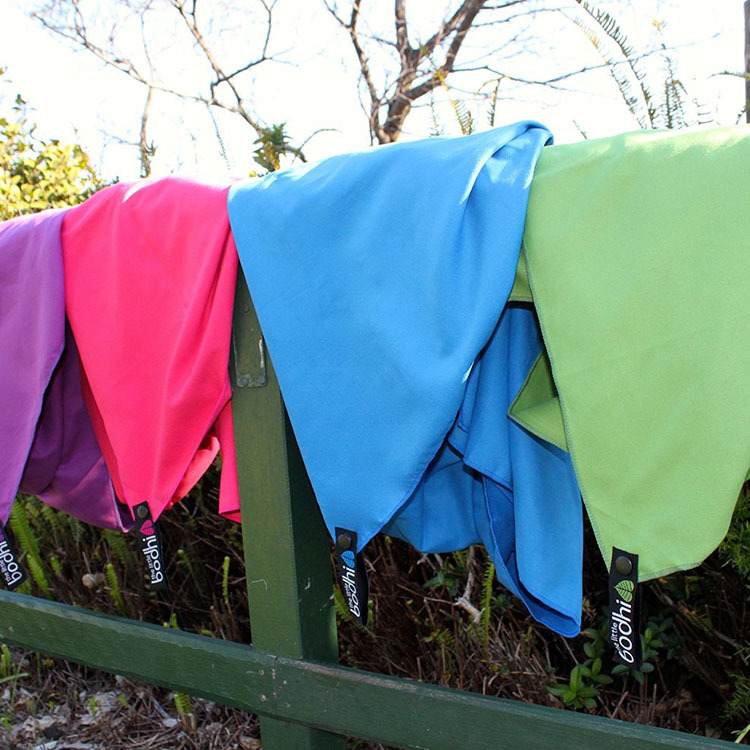
しかし、耐砂性だけでは十分ではありません。ビーチタオルは使用するまでにすぐに乾く必要があります。これが次の重要な機能につながります。
速乾テクノロジー: ビーチでは乾燥速度が重要な理由
速乾性のビーチタオルは、従来のバスタオルよりもはるかに速く水分を蒸発させるように設計されています。この機能はあなたが思っている以上に重要です。濡れたままのタオルは持ち運びが重くなり、カビのような臭いが発生する可能性があり、その日の 2 回目または 3 回目の水泳に使用するのは快適ではありません。
速乾テクノロジーの背後にある科学は興味深いものです。 最新のマイクロファイバーと特別に仕上げられたコットン生地が、湿気をより広い表面積に広げます。 太い輪で保持するのではなく。この拡張された表面により、太陽や空気にさらされたときに水がより早く蒸発します。実際、多くの マイクロファイバービーチタオル 従来のテリーコットンタオルの約半分の時間で乾燥できます。
によると 消費者テストの調査、速乾性タオルにはいくつかの実用的な利点があります。
- カビの臭いを防ぎます: 乾燥が早いということは細菌の繁殖が少ないことを意味します
- 再利用の準備ができています: 1 日に複数回の水泳セッションに最適
- 梱包が軽くなります: 湿ったタオルは、浸したタオルに比べて重量が大幅に軽い
- 旅行に最適: 乾燥時間が限られているロードトリップには必須
- メンテナンスが容易になります: 洗濯の合間にカビ臭が発生しにくくなる
速乾タオルの実際の仕組み
速乾性のタオルは従来のタオルよりも水分の吸収が少ないという誤解がよくあります。しかし、これは真実ではありません。 最新のマイクロファイバー速乾タオルは、実際に自重の数倍の水を吸収します。多くの場合、乾燥重量は 4 ~ 7 倍ですが、それでも厚手の綿の代替品よりも早く乾燥します。
違いは、繊維が水分を保持および放出する方法にあります。従来のテリーループは構造の奥深くに水を閉じ込めるため、蒸発にかなりの時間を要します。一方、マイクロファイバーの極細合成繊維は毛細管現象を引き起こし、湿気を表面に引き寄せ、そこで素早く蒸発させます。これは、スポンジ (テリークロス) とスキージ (マイクロファイバー) の違いのようなものだと考えてください。どちらも水を扱いますが、一方の方がはるかに速く水を放出します。


旅行者やアクティブに海を楽しむ人にとって、速乾性は譲れないものです。冷たくて湿った布地に身を包むという不快な経験をすることなく、いつでもタオルを準備できます。
大人、子供、家族に最適なビーチタオルのサイズ
快適さと実用性を実現するには、適切なサイズのビーチタオルを選ぶことが重要です。小さすぎると、砂の上に横になるのが不快になります。大きすぎると、ビーチバッグの中でかさばったり、重くなったりしてしまいます。幸いなことに、あらゆるニーズに対応できるサイズがあります。
ほとんどの大人にとって、 約70~76cm×140~152cm(28~30cm)のタオル″ ×55~60″) 寝転んでも快適にカバーしながら、パッキングも簡単です。この標準サイズは、ほとんどのビーチバッグやバックパックにぴったりフィットし、砂から身を守るのに十分な表面積を提供します。
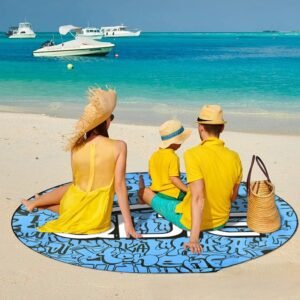
ただし、背の高い人、タオルスペースを共有したいカップル、または家族は、多くの場合、 約90cm×180cm以上の特大オプション(35″ ×70″+)。これら 特大の丸いビーチタオル 余裕を持って全身をカバーします。通常直径 150 cm の丸いビーチタオルも、十分なスペースと独特の美しさを提供するため、ますます人気が高まっています。
サイズ購入ガイド
特定のニーズに基づいて適切なサイズを選択するのに役立つ実際的な内訳を次に示します。
- 一人で海水浴する人 (標準): 70~76 × 140~152 cm は 1 人で使用するのに最適で、カバー範囲と携帯性のバランスが取れており、標準的なビーチバッグに簡単に収まります。
- 背の高いユーザー: 頭と足が端からはみ出さないように、80~90 × 160~180 cm 以上を探してください。
- 家族の共有: 特大サイズ (90 × 180 cm 以上) または複数の標準タオルを検討してください。 ラウンドビーチタオル (直径150cm)少人数のグループに最適です。
- 旅行 & バックパッキング: 重量とかさばりを最小限に抑えるために、標準またはわずかに小さいサイズ (60 × 120 cm) を使用してください。ホステルでの乾燥時間を短縮するために、速乾性の素材を優先します。
- キッズ & 十代の若者たち: 50~60 × 100~120 cm は十分なカバー力を提供しながら、若いビーチ訪問者にも扱いやすいサイズです。
“ビーチタオルの適切なサイズは、横になったときにたっぷりと感じられ、荷物を詰めたときに負担にならないものです。海外旅行者にとっては、標準的な大人サイズがベストバランスです。”
サイズは重量と梱包体積に直接影響することに注意してください。したがって、荷物スペースが限られている飛行機に乗る場合や、人里離れたビーチへハイキングする場合は、タオルのサイズが荷物全体にどのような影響を与えるかを考慮してください。
GSM と厚さ: 快適で速乾性のあるタオルの選び方
GSM、または 平方メートルあたりのグラム数、タオル生地の重さと密度を測定します。この指標は、厚さ、吸収性、乾燥時間の信頼できる指標を提供します。 GSM を理解すると、ビーチタオルのパフォーマンスについてより賢明な選択ができるようになります。
特にビーチタオルに関しては、 most experts recommend 300-400 GSM as the ideal range. This sweet spot provides several advantages. First, the towel feels soft and comfortable against your skin. Second, it absorbs water effectively after swimming. Third—and most importantly for beach use—it still dries quickly and remains lightweight enough for easy transport.
Higher GSM towels (400-500+ GSM) certainly feel more luxurious and plush. They’re similar to the thick, fluffy towels you’d find in upscale hotels or spas. However, they come with trade-offs. Very thick towels take significantly longer to dry, weigh considerably more when packed, and can feel bulky in a beach bag. According to textile testing standards、500 GSM を超えるタオルは、300 ~ 400 GSM のタオルに比べて空気乾燥に 2 ~ 3 倍の時間がかかる場合があります。
GSMクイックリファレンス
ビーチでの使用において、さまざまな GSM 範囲がどのように機能するかは次のとおりです。
- 200-300 GSM (超軽量): これらのタオルは驚くほど速く乾き、非常に小さく梱包できます。ただし、一部のユーザーにとっては薄すぎると感じられ、硬い砂浜や岩場のビーチではクッション性が低下する場合があります。軽量化を優先するバックパッカーやミニマリストの旅行者に最適です。
- 300-400 GSM (ビーチに推奨): この範囲は全体的なバランスが最も優れています。速乾性を損なうことなく快適な厚みが得られます。最高品質 マイクロファイバービーチタオル そして トルコのビーチタオル このカテゴリーに当てはまります。したがって、この GSM 範囲はほとんどのビーチの状況に適しています。
- 400-500+ GSM (リゾート & 家庭用): 間違いなく贅沢で柔らかいこの厚手のタオルは、乾燥時間が重要ではないリゾートのプールサイドでくつろぐのに適しています。アクティブなビーチの日、旅行、または頻繁に荷物をまとめて移動する必要がある状況ではあまり実用的ではありません。
| GSM範囲 | 厚さ | 乾燥時間 | 最適な用途 |
|---|---|---|---|
| 200-300 | 薄い | 非常に速い (1 ~ 2 時間) | 旅行、バックパッキング、ジム |
| 300-400 | 中くらい | 速い (2 ~ 4 時間) | ビーチ、プール、普段使い |
| 400-500+ | 厚い/豪華な | 遅い (6 時間以上) | リゾート、スパ、ホームラグジュアリー |
として 中国のビーチタオルメーカー 15 年の経験を持つ Favor Houseware は、最適な 300 ~ 400 GSM 範囲のタオルの製造を専門としています。この専門知識により、お客様は実際の状況で非常に優れたパフォーマンスを発揮するビーチタオルを確実に提供できます。
マイクロファイバーとコットン: 砂が出ず、速乾性のあるタオルにはどちらが適していますか?
マイクロファイバーとコットンの議論は、適切なビーチタオルを選ぶ上で重要です。前述したように、 マイクロファイバーは現在、世界のビーチタオル市場シェアの約 45.8% を占めています。この優位性は、耐砂性と速乾性の優れた性能に由来しています。
マイクロファイバータオルは、極細の合成繊維 (通常はポリエステルまたはポリエステルとナイロンの混紡) から作られています。これらの繊維は人間の髪の毛よりも細いことが多く、滑らかでしっかりと織り込まれた表面を作り出します。この構造は自然に砂をはじき、毛細管現象によって効率的に水分を吸収し、驚くほど早く乾燥します。
一方、綿のビーチタオル、特に トルコのビーチタオル そしてプレミアム 綿のビーチタオル—さまざまな理由で人気があり続けています。天然コットンはより柔らかく、肌に馴染みます。多くの人は合成素材よりもコットンのオーガニックで自然な感触を好みます。さらに、綿は生分解性があり、マイクロプラスチックの問題に関しては、一般に環境に優しい素材です。
ただし、ループが特徴的な従来のテリーコットンは、より多くの砂や湿気を閉じ込める傾向があります。コットンタオルの肌触りを豪華にするループは、砂粒や水を保持する小さなポケットとしても機能します。それにもかかわらず、現代のトルコ綿タオルは、綿本来の柔らかさを維持しながら、これらの問題を部分的に解決する平らな織りを使用しています。
材質比較表
| 特徴 | マイクロファイバー | コットン |
|---|---|---|
| 耐砂性 | 素晴らしい – 砂が振り落とされやすい | まあまあから良い – ループに砂が閉じ込められる可能性がある |
| 乾燥時間 | 非常に速い (2 ~ 4 時間) | 中程度からゆっくり (4 ~ 8 時間) |
| 重さ | 軽量(30~40%軽量) | 特に濡れている場合は重くなります |
| 柔らかさ | スムーズ;時間が経つと柔らかくなる | 自然な柔らかさ。豪華な感触 |
| 吸収性 | 高 (水中での重量の 4 ~ 7 倍) | 高(従来の強度) |
| 耐久性 | 素晴らしい;色あせに強い | 良い;時間が経つと色褪せる可能性があります |
| 価格 | 一般的に手頃な価格 | さまざまです。プレミアムコットンは高価です |
| 環境への影響 | 合成;マイクロプラスチックの懸念 | 自然;生分解性 |
それで、どれを選ぶべきですか?もし 砂を含まないパフォーマンスと速乾性が最優先事項です特に旅行、ビーチでのアクティブな日、または家族の外出の場合は、通常、マイクロファイバーの方が良い選択です。ただし、天然繊維を重視する場合、伝統的な柔らかさを好む場合、または合成素材が気になる場合は、ビーチでの使用のために特別に設計された平らな織りの高品質のトルコ綿タオルをお探しください。
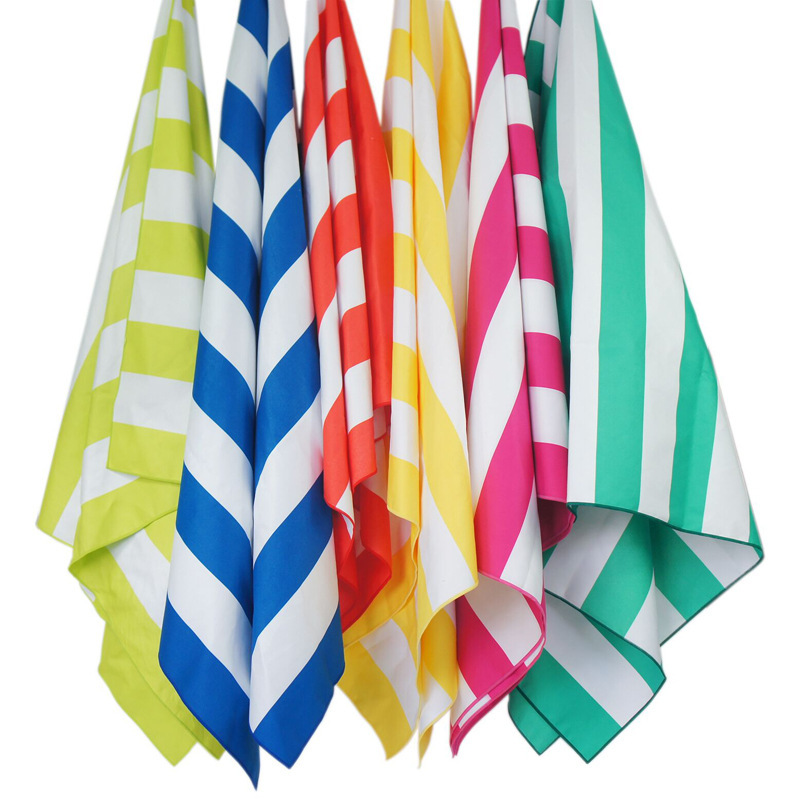
現在、多くのメーカーが、両方の素材の長所を生かしたハイブリッド オプションや綿とポリエステルのブレンドを提供しています。これらのブレンドは、純粋なマイクロファイバーよりも柔らかい感触を提供しながら、純粋な綿よりも優れた耐砂性と速乾性を維持します。
ビーチタオルの仕様の見方(サイズ、GSM、素材)
製品仕様を理解することで、十分な情報に基づいて購入を決定できるようになります。しかし、タオルの仕様は何を基準にすればよいのか分からないと混乱してしまうことがあります。ここでは、ビーチタオルの仕様を解読するためのステップバイステップのガイドを示します。
ステップ 1: 最初に寸法を確認する
などの説明だけでなく、常に実際の寸法をセンチメートルまたはインチで確認してください。 “標準” または “大きい。” すでに説明したように、70 ~ 76 × 140 ~ 152 cm はほとんどの大人に適しており、90 × 180 cm 以上は特大のニーズに適しています。自分の身長と用途を考慮することを忘れないでください。
ステップ 2: GSM 評価を確認する
製品説明で GSM 情報を探してください。リストに記載されていない場合は、品質に関して危険信号であることがよくあります。ビーチ用、ターゲット 300-400GSM。と謳っているビーチタオルには注意してください “超豪華な” GSM を記載しないと、ビーチで実際に使用するには重すぎて乾燥が遅い可能性があります。
ステップ 3: 材料構成を特定する
タオルがマイクロファイバー 100%、綿 100%、または混紡かを確認してください。各材料にはトレードオフがあります。次のような具体的な詳細も探してください “トルコ綿、” “エジプト綿、” または “ポリエステルマイクロファイバー。” 高品質のメーカーは、正確な材料構成について透明性を持っています。例えば、 高級ビーチタオルメーカー 通常、完全な材料の内訳が提供されます。
ステップ 4: 証拠のあるパフォーマンスに関する主張を探す
優れたタオルの説明には、次のような機能が具体的に記載されています。 “砂のない構造、” “速乾テクノロジー、” または “超吸収性。” ただし、曖昧なマーケティング用語には注意してください。次のような具体的な詳細を探します。 “標準テリーよりも 50% 早く乾きます。” または “滑らかな織りにより砂の付着を90%防ぎます。”
避けるべき危険信号
- GSM 情報が欠落しています: 評判の良いメーカーは常にGSMをリストしています
- 曖昧なサイズ説明: “ワンサイズですべてにフィット” 通常、それは誰にも合わないことを意味します
- 素材構成なし: 何から作られているかを教えてくれない場合、通常は理由があります
- 非現実的な主張: “濡れても完全に乾いた状態を保ちます” または “洗濯の必要はありません” 明らかな危険信号です
- お手入れ方法はありません: 高品質のタオルには適切な洗濯とメンテナンスのガイドが付属しています
- 極めて低価格: お買い得品は存在しますが、疑わしいほど安価なビーチタオルには、広告どおりに機能しない標準以下の素材が使用されていることがよくあります。
実際の仕様例は次のとおりです。 “75 cm × 150 cm マイクロファイバービーチタオル、320 GSM、ポリエステル 85% / ポリアミド 15%、速乾性、砂の出ない構造” 情報に基づいた意思決定を行うために知っておく必要のあるすべてのことを示します。
旅行やアウトドアに最適なビーチタオルの特徴
旅行用のビーチタオルは、地元のビーチを訪れるためのタオルよりも厳しい要件を満たす必要があります。休暇、キャンプ旅行、またはバックパッキングの冒険に向けて荷物をまとめるとき、あらゆるスペースが重要です。したがって、最高の旅行用ビーチタオルは、複数のパフォーマンス機能を兼ね備えています。
何よりもまず、 軽量でコンパクトな構造 が不可欠です。 75 × 150 cm の 320 GSM マイクロファイバー タオルは、通常、丸めるか折りたたむと水筒ほどの大きさになるため、機内持ち込み手荷物やバックパックに最適です。このスペース効率だけでも、マイクロファイバーは旅行者にとって好ましい選択肢となります。
旅行中は速乾性がさらに重要になります。特に湿気の多い気候や複数の目的地を巡る旅行では、タオルを何時間も干したままにしておくことができません。さらに、濡れたタオルを詰めるとカビの臭いが発生したり、荷物の中の他のアイテムを湿らせたりする可能性があります。
トラベルタオルの必須機能
- 吊り下げループ: 内蔵のコーナーループまたはタブにより、タオルをフック、枝、またはカラビナに簡単に掛けて、より速く乾かすことができます。
- キャリーポーチ: 多くの旅行用タオルには、スタッフサックとしても機能するメッシュまたはナイロン製の収納袋が付属しており、タオルを荷物の中で圧縮した状態に保つことができます。
- 両面デザイン: 一部のタオルは、両面に異なる質感を備えています。片面は砂を防ぐための滑らかな面、もう 1 つは体を乾燥しやすくするためにわずかに凹凸のある面です。
- 抗菌処理: バクテリアの増殖を抑制する特殊な仕上げにより、洗濯の機会が限られている長期旅行中の臭いを防ぎます。
- 明るい色や模様: 見た目の美しさを超えた、鮮やかなデザインにより、混雑したビーチでもタオルを見つけやすくなり、誤って持ち去られることを防ぎます。
ビーチでの使用だけでなく、アウトドアの冒険家には、キャンプ用タオルとして使用できる多目的タオルを検討してください。 スポーツ冷却タオル、または緊急用ブランケットさえも。一部のブランドは、グランドクロスやピクニックブランケットとしても使える、縁が強化されたタオルをデザインしています。
“理想的な旅行用ビーチタオルは、重さが 400 グラム未満で、丸めた T シャツより小さく梱包でき、4 時間以内に完全に乾燥し、何度ビーチを訪れても砂がつきません。”
によると 旅行用品の専門家, マイクロファイバータオルは、その性能と利便性の組み合わせにより、旅行者にとってのゴールドスタンダードとなっています。その結果、ほとんどの本格的な旅行者にとって、従来の綿製タオルの代わりに使用されるようになりました。’ パッキングリスト。
環境に優しい砂の出ないタオル: 素材と認証
環境への意識がビーチタオル業界に大きな変化をもたらしています。市場概要で述べたように、環境に優しい素材とリサイクル繊維は、この分野で最も急速に成長しているトレンドの 1 つです。消費者は、環境への影響を最小限に抑えながら優れた性能を発揮する製品をますます求めています。
持続可能なビーチタオルにはいくつかの種類があります。 オーガニックコットンタオル 合成殺虫剤や化学肥料を使用せずに栽培されているため、水路への化学物質の流出が減少します。 リサイクルポリエステルタオル repurpose plastic bottles and other post-consumer waste, diverting materials from landfills while requiring less energy to produce than virgin polyester. Some manufacturers even produce towels from bamboo fibers, which grow rapidly without pesticides and require minimal water.
However, sustainability claims vary widely in quality and legitimacy. This is where third-party certifications become crucial. Look for these recognized standards:
- GOTS (Global Organic Textile Standard): The gold standard for organic cotton textiles, ensuring fibers are organically grown and processed with minimal environmental and social impact
- エコテックススタンダード100: Certifies that textiles are free from harmful substances and safe for human use; particularly important for products in direct contact with skin
- GRS (Global Recycled Standard): リサイクルされた内容を検証し、サプライチェーン全体で材料を追跡します
- ブルーサイン: 製造全体を通して持続可能な生産方法と安全な労働条件を保証します
- フェアトレード認証: 工場労働者に公正な賃金と安全な労働条件を保証します
で chinatowelmanufacturer.com, Favor Houseware Co., Ltd.は、以下を含む複数の認定を取得しています。 OEKO-TEX 100、BSCI、SGS、および FDA の承認。これらの認証は、製品の安全性と責任ある製造慣行の両方に対する取り組みを示しています。さらに、同社は環境に優しい生産方法と持続可能な材料調達に投資してきました。
素材や認証を超えて、環境要因として耐久性を考慮してください。何年も長持ちする丁寧に作られたタオルは、頻繁に交換する必要がある安価なタオルよりも環境負荷がはるかに小さくなります。によると 持続可能な消費者調査、同じ期間に低品質のタオルを 3 枚購入する代わりに、高品質のタオルを 1 枚購入すると、全体の廃棄物が約 60% 削減されます。
環境に優しいビーチタオルを評価するときは、次の点も考慮してください。
- 低衝撃染料: 水路を汚さない水性または植物由来の染料
- 現地生産: サプライチェーンの短縮により輸送時の排出量が削減される
- 最小限の梱包: リサイクル可能または生分解性の梱包材
- 長寿: 丈夫なステッチ、強化されたエッジ、長年の使用に耐える色落ちしない素材。
砂が出ない速乾ビーチタオルのお手入れ方法
適切なお手入れにより、ビーチタオルの寿命が延び、砂がつきにくく速乾性も維持されます。幸いなことに、いくつかの重要なガイドラインに従えば、最新のビーチタオルのお手入れは簡単です。
ビーチタオルの洗濯: ステップバイステップ
- 最初に砂を振り落とします。 洗濯する前に、タオルを外に出して激しく振り、砂をできるだけ取り除きます。これにより、砂が洗濯機内に蓄積してコンポーネントが損傷するのを防ぎます。頑固な砂の場合は、タオルを吊るし、庭のホースで軽くスプレーしてから、再度振ってください。
- 冷水または温水を使用してください。 繊維の完全性を保ち、縮みを防ぐために、砂のないビーチタオルを冷水または温水(熱すぎない)で洗ってください。熱湯はマイクロファイバーの構造を破壊したり、時間の経過とともに色褪せたりする可能性があります。
- 中性洗剤を選択してください: 少量の中性液体洗剤を使用してください。粉末洗剤は残留物を残し、マイクロファイバーの孔を詰まらせ、吸収性を低下させる可能性があります。液体洗剤の方が、よりきれいにすすぐことができます。
- 柔軟剤や漂白剤は避けてください。 これは重要です。柔軟剤は繊維をワックス状の残留物で覆い、砂をはじき、速乾性を損ないます。同様に、漂白剤は合成繊維を傷め、変色を引き起こす可能性があります。どちらの製品もマイクロファイバータオルには絶対に使用しないでください。
- 穏やかなサイクルの推奨: マイクロファイバーは耐久性に優れていますが、穏やかなまたは通常のサイクルで過度の摩耗を防ぎます。タオルが極度に汚れていない限り、激しいサイクルは避けてください。
- 類似商品を一緒に洗ってください: ビーチタオルは他の化繊製品やタオルと一緒に洗ってください。糸くずがマイクロファイバーに付着して性能が低下するため、綿のバスタオルなどの糸くずが発生するものと一緒に洗濯しないでください。
乾燥のベストプラクティス
- 自然乾燥 (推奨): タオルは直射日光の当たる場所または風通しの良い場所に干してください。ほとんどの速乾性タオルは屋外で 2 ~ 4 時間で完全に乾きます。自然乾燥は繊維に優しく、費用もかかりません。
- 乾燥機は低温で使用してください (必要な場合): 乾燥機を使用する必要がある場合は、低温を選択してください。高熱により合成マイクロファイバーが溶けたり損傷したりする可能性があります。過度の乾燥を防ぐために、タオルがまだ少し濡れているうちに取り出してください。
- ドライヤーシートをスキップ: 柔軟剤と同様に、ドライヤーシートには残留物が残り、砂が入らず速乾性の特性が損なわれます。
- 乾燥後に振る: 乾いたらタオルを強く振ると繊維が毛羽立ち、柔らかな風合いが戻ります。
“マイクロファイバービーチタオルで最もよくある間違いは、柔軟剤を使用することです。このたった 1 つのエラーにより、タオルの耐砂性と速乾性の性能が最大 50% 永久に低下する可能性があります。”
保管とメンテナンスのヒント
- 清潔で乾燥した状態で保管してください: カビの発生や不快な臭いが発生するため、湿ったタオルは絶対に保管しないでください。
- ゆるく折ります: 繊維を損傷する可能性があるため、長期間の密閉した圧縮保管は避けてください。
- 洗濯の合間にリフレッシュ: 軽く使用したタオルの場合は、丸洗いしなくても、新鮮な空気と日光に吊るすことでリフレッシュできます。
- 汚れにはすぐに対処してください: 日焼け止めや油汚れは、固まる前に少量の食器用洗剤ですぐに処理してください。
- 複数のタオルを回転させる: ビーチに頻繁に行く場合は、2 ~ 3 枚のタオルをローテーションで使用すると、1 枚のタオルの摩耗を軽減できます。
適切なお手入れをすれば、次のようなメーカーの高品質のビーチタオルを使用できます。 chinatowelmanufacturer.com 通常の使用でも 3 ~ 5 年以上その性能を維持する必要があります。このように寿命が長いため、パフォーマンスと経済性の両方の観点から、高品質のタオルに投資する価値があります。
バルク & OEM ビーチタオル: バイヤーが中国のメーカーに尋ねるべきこと
For businesses looking to source beach towels wholesale—whether you’re a retailer, hotel chain, promotional products company, or resort operator—asking the right questions ensures you receive products that meet your specifications and quality expectations.
China remains the world’s leading towel manufacturing hub, with provinces like Zhejiang (where Favor Houseware is located in Yiwu, Jinhua) offering extensive production capabilities and competitive pricing. However, not all manufacturers provide the same level of quality, service, or reliability.
Critical Questions for Wholesale Beach Towel Manufacturers
1. What are your minimum order quantities (MOQ)?
MOQ varies significantly between manufacturers. Some require orders of 1,000+ pieces, while others like 家庭用品を好む 最低 100 個の生産 MOQ を提供し、 デジタル印刷のカスタマイズにはMOQなし。 MOQ の低下は、中小企業や新しい設計をテストしている企業に利益をもたらします。
2. 特定のサイズと GSM 要件を満たすことができますか?
正確な仕様を明確にしてください。例えば: “320 GSM の 75 × 150 cm のマイクロファイバー タオルが必要です。” サンプルをリクエストして、メーカーが大量の注文にわたってこれらの仕様を一貫して提供できることを確認してください。 GSM が一貫していない場合、タオルの厚さと性能が大きく異なる可能性があります。
3. どのような素材とブレンドを提供していますか?
素材のオプション (100% マイクロファイバー、コットン、ブレンド)、繊維源、リサイクル ポリエステルやオーガニック コットンなどの環境に優しい代替品を提供しているかどうかを尋ねてください。詳しい材料構成の内訳をリクエストしてください。
4. What quality testing do you perform?
Reputable manufacturers conduct multiple quality checks including:
- Colorfastness testing (resistance to fading from sun, water, and washing)
- Sand-resistance testing (quantifying how much sand adheres to the fabric)
- Absorbency testing (measuring water retention capacity)
- Dimensional stability (shrinkage rates after washing)
- Strength and durability testing (fiber integrity and seam strength)
5. What certifications do you hold?
Essential certifications include OEKO-TEX for product safety, BSCI or SA8000 for social compliance, and ISO 9001 for quality management systems. Favor Houseware holds OEKO-TEX 100, BSCI, SGS, and FDA certifications, demonstrating comprehensive compliance. These certifications are increasingly required by major retailers and online marketplaces.
6. どのようなカスタマイズ オプションが利用できますか?
印刷方法 (デジタル印刷、スクリーン印刷、刺繍)、カラーマッチング機能、カスタムサイズ、吊り下げループやポケットなどの特殊機能について話し合います。セットアップ料金、アートワークの要件、制作を開始する前にデジタル モックアップを確認できるかどうかについて問い合わせてください。
7. 制作スケジュールはどのようなものですか?
標準的な生産スケジュールは、注文の複雑さと量に応じて 15 ~ 45 日かかります。お急ぎ注文のオプション、繁忙期の遅延、メーカーが予期せぬ遅延にどのように対処するかについて尋ねてください。サンプルの製造時間についてもお問い合わせください。カスタム サンプルの場合は通常 5 ~ 7 日です。
8. 参考資料やサンプルを提供していただけますか?
大量注文をする前にサンプルをリクエストしてください。 chinatowelmanufacturer.com を含む多くのメーカーが提供しています。 送料のみを支払う無料サンプル。さらに、あなたの業界の他の国際的な顧客からの紹介を求めてください。
9. 支払いと配送の条件は何ですか?
支払い方法 (T/T、L/C、サンプルの場合は PayPal)、デポジット要件 (通常 30 ~ 50%)、残高の支払いタイミングを明確にします。配送については、FOB価格、コンテナ積載量、特定の運送業者と提携しているかどうかについて問い合わせてください。誰が税関書類を処理するのかを理解します。
10. 品質上の問題や欠陥にはどのように対処しますか?
Establish clear quality standards and defect rates (typically 2-3% is considered acceptable in textile manufacturing). Understand the manufacturer’s policy for replacing defective items and how quality disputes are resolved.
According to industry insights from sources like international sourcing guides, building a long-term relationship with a reliable Chinese manufacturer can reduce costs by 15-25% over time while improving product consistency and service quality.
🏭 Professional OEM & Wholesale Beach Towel Manufacturing
株式会社フェイバーハウスウェア brings 15 years of beach towel manufacturing expertise to wholesale and OEM clients worldwide. Based in Yiwu, Zhejiang Province, we specialize in:
- Custom sand-free and quick-dry beach towels
- MOQ as low as 100 pieces (no MOQ for digital printing)
- OEKO-TEX 100、BSCI、SGS、FDA 認定
- 無料サンプルあり(貨物のみ)
- 品質管理されたプロセスによる短納期
ビーチタオルの機能に関するよくある質問
砂の出ないビーチタオルとは何ですか?
砂の出ないビーチタオルは、滑らかでしっかりと織られた構造(通常はマイクロファイバーまたは特殊な合成繊維)が特徴で、砂粒が生地に付着するのを防ぎます。砂を捕らえる厚いループを持つ従来のテリークロスとは異なり、砂フリータオルは、タオルがわずかに湿っていても、軽く振るだけでほとんどの砂を落とすことができます。この技術により、ビーチの清掃が簡単になり、車、バッグ、家に砂が入るのを防ぎます。
マイクロファイバーのビーチタオルは綿よりもビーチに適していますか?
ビーチ特有の用途では、マイクロファイバーは一般に綿よりも優れた性能を発揮します。マイクロファイバーは砂をより効果的にはじき、同じ寸法のコットンよりも約 2 倍の速さで乾燥し、重量は 30 ~ 40% 軽量です。これらの特性により、マイクロファイバーはアクティブなビーチの日、旅行、家族連れに最適です。ただし、好む人もいます 綿のビーチタオル 自然な柔らかさと馴染みやすい感触が特徴です。選択は、パフォーマンス (マイクロファイバー) を優先するか、伝統的な快適さ (コットン) のどちらを優先するかによって異なります。
どのサイズのビーチタオルが必要ですか?
標準的な大人用ビーチタオルのサイズは約 70 ~ 76 cm × 140 ~ 152 cm (28 ~ 30″ ×55~60″)、ほとんどの人にとって快適なカバーを提供します。身長が高い (183 cm 以上) 場合、より広いスペースを希望する場合、または共有する予定がある場合は、約 90 cm × 180 cm 以上の特大サイズのオプションを検討してください。荷物のサイズが重要な旅行の場合は、標準の寸法を守ってください。家族も喜ぶかもしれない ラウンドビーチタオル 複数人でシェアできる(直径150cm)。
ビーチタオルに最適な厚さ (GSM) はどれくらいですか?
ビーチタオルの理想的な GSM シリーズは次のとおりです。 300-400GSM. This range balances several factors: it provides comfortable softness and good absorbency while remaining lightweight and quick-drying. Towels below 300 GSM may feel too thin, while those above 400 GSM become heavier and take significantly longer to dry—making them less practical for beach use, though they work well for resort poolside lounging.
Do quick-dry towels absorb less water?
いいえ、これはよくある誤解です。最新のマイクロファイバー速乾タオルは実際に自重の 4 ~ 7 倍の水を吸収でき、これは従来の綿タオルと同等かそれ以上です。違いは湿気の放出方法にあります。速乾性のある生地は、水をループの奥深くに保持するのではなく、より広い表面積に広げてより速く蒸発させます。したがって、優れた吸収性が得られ、乾燥時間も大幅に短縮されます。
砂のないビーチタオルを洗うにはどうすればよいですか?
最良の結果を得るには、次の手順に従ってください。
- 洗う前にできるだけ砂を振り落としてください
- 中性液体洗剤を使用し、冷水またはぬるま湯(熱くない)で洗ってください。
- 柔軟剤や漂白剤は絶対に使用しないでください—これらの製品は、砂を含まない特性と速乾性を損なうものです。
- 穏やかなサイクルまたは通常のサイクルを使用してください。糸くずが出やすい綿製品と一緒に洗濯しないでください。
- 可能な場合は風乾するか、低温で乾燥機を使用してください。
- 柔軟剤と同じ理由でドライヤーシートをスキップします
適切なお手入れにより、パフォーマンスが 3 ~ 5 年以上維持されます。
砂の出ないビーチタオルには価値がありますか?
特に頻繁にビーチを訪れる人にとっては間違いありません。砂の出ないタオルは、埋め込まれた砂を常に振り落とす必要がないため、かなりの時間とストレスを軽減します。車や家の混乱を軽減し、旅行用に効率的にパッキングでき、通常は従来のオプションよりも早く乾燥します。マイクロファイバーはビーチタオル市場シェアの 45.8% を占めており、消費者の好みは、砂の出ない機能が大きな実用的価値をもたらすことを明確に示しています。基本的なタオルに比べて控えめな価格ですが、利便性の点ですぐに元が取れます。
ビーチタオルとバスタオルの違いは何ですか?
ビーチタオルは屋外での使用を目的として特別に設計されています。通常、(横になるのに)長めで、(より速く乾き、持ち運びやすいように)わずかに薄く、砂に強い構造を採用するものが増えています。ビーチタオルは速乾性と軽量性を重視した素材を使用しています。逆に、バスタオルは家庭用に最適化されており、厚手で吸収性の高い構造 (400 ~ 700 GSM) で、ふかふか感はありますが、乾くのが遅いです。ビーチでバスタオルを使用すると、砂が詰まったタオルが重くなり、乾くまでに何時間もかかります。だからこそ、専用のバスタオルが必要です。 砂の出ないビーチタオル 沿岸環境ではより優れたパフォーマンスを発揮します。
結論: 適切な機能を備えたビーチタオルを選ぶ
完璧なビーチタオルを選ぶには、次の 4 つの重要な特徴を理解する必要があります。 sand-free construction, quick-dry capability, appropriate sizing, and balanced thickness. As we’ve explored throughout this guide, these features dramatically impact your beach experience, travel convenience, and long-term satisfaction.
The market data confirms what millions of beachgoers have discovered: microfiber towels with sand-resistant surfaces and quick-dry technology have transformed beach days from sandy frustration to smooth enjoyment. With the global beach towel market projected to reach USD 614.7 million by 2033 and microfiber commanding 45.8% market share, it’s clear that performance-focused beach towels represent the future of coastal comfort.
Quick Recap: Your Beach Towel Checklist
- ✅ Material: 最高の砂なしの速乾性パフォーマンスを実現するには、マイクロファイバーを選択してください。天然繊維を好む場合は、高品質の綿を選択してください
- ✅ サイズ: 個人の場合は70-76×140-152cm。 90×180cm以上 ファミリーや背の高いユーザー向け
- ✅ GSM: 快適性と実用性の理想的なバランスを実現するには、300~400 GSM をターゲットにします
- ✅ 認証: OEKO-TEX、BSCI、または同様の品質および安全性認証を探してください。
- ✅ ケア: 柔軟剤や漂白剤は避けてください。優しく洗い、可能であれば自然乾燥させてください
個人用にビーチタオルを購入する場合でも、ホテルに在庫する場合でも、販促品を作成する場合でも、小売在庫に追加する場合でも、これらの特徴を理解することで、真に機能するタオルを確実に選択できます。砂が閉じ込められ、一日中湿ったままになり、シーズン後には崩れてしまうような安価な代替品で満足しないでください。
🌊 プレミアムビーチタオルを体験する準備はできましたか?
フェイバーハウスウェア株式会社 (chinatowelmanufacturer.com) は 15 年間にわたり高品質のビーチタオルを製造し、世界中の顧客に次のサービスを提供してきました。
- 完全なカスタマイズ – 任意のサイズ、色、素材、デザイン
- デジタル印刷にはMOQなし – 新しいデザインのテストに最適
- 低生産MOQ – わずか 100 個から始められます
- プレミアム認定 – OEKO-TEX 100、BSCI、SGS、FDA 承認済み
- 環境に優しいものづくり – 持続可能な材料とプロセス
- 短納期 – 浙江省義烏の工場から
- 無料サンプル – 品質を見て触れてください(貨物のみ)
当社の全製品をご覧ください:
無料サンプルをリクエストする & カスタム見積もり →100 枚必要でも、10,000 枚以上必要でも、期待を超える高品質のビーチタオルをお届けします。今すぐ私たちのチームにご連絡ください。
💡 プロのヒント: カスタム ビーチ タオルを注文する場合は、完全生産を承認する前に、サイズ、GSM、色の精度、全体的な品質を確認するために必ず生産前サンプルをリクエストしてください。この簡単な手順により、コストのかかる誤解を防ぎ、最終的な注文が期待どおりであることを確認します。
ビュー: 14