⚡ 빠른 답변
비치 타월을 올바르게 세탁하려면: 먼저 모든 모래를 털어낸 후 찬물이나 따뜻한 물에 중성 세제를 사용하여 세탁기로 세탁하세요. 섬유 유연제를 사용하지 마세요. 대신 헹굼물에 백식초 ½컵을 사용하세요. 마지막으로 드라이어 볼을 이용해 약한 불로 회전식 건조하거나 그늘에서 건조하세요. 이것이 비치 타월을 부드럽고 흡수력이 뛰어나며 오래 지속되게 유지하는 핵심 루틴입니다.
📋 주요 사항: 비치 타월 세탁 설정 한눈에 보기
시작하기 전에 빠른 참조 표가 있습니다. 이것을 북마크에 추가하세요 — 다시 돌아가고 싶을 것입니다.
| 환경 | 권장값 | 중요한 이유 |
|---|---|---|
| 수온 | 차갑고 따뜻함(덥지 않음) | 따뜻한 클렌징 오일; 추위는 색상과 섬유를 보호합니다. |
| 세탁주기 | 부드럽다(가벼움) 또는 보통(두꺼움) | 면 루프를 손상시키는 과도한 교반을 방지합니다. |
| 세제량 | ½–1 일반 복용량 | 너무 많으면 흡수력이 저하되는 잔여물이 남습니다. |
| 섬유유연제 | 완전히 피하세요 | 섬유질을 코팅하여 시간이 지남에 따라 수건의 흡수력을 저하시킵니다. |
| 식초 린스 | 로드 당 ½ 컵 | 세제 축적을 제거하고 자연적으로 탈취합니다. |
| 건조기 온도 | 낮음~중불 | 수축이 적고 섬유를 부드럽고 푹신하게 유지합니다. |
이제 모든 세부 사항을 살펴보겠습니다. 이 가이드가 끝나면 알게 될 것입니다. 비치 타월을 관리하는 정확한 방법 전문가처럼 — 수건이 한 개든 백 개든 상관없습니다.
1. 비치 타월이 일반 타월과 다른 점은 무엇입니까?
우선, 다음을 이해하는 것이 중요합니다. 비치 타월은 욕실 타월과 다릅니다.. 그들은 완전히 다른 작업을 위해 설계되었습니다. 그리고 그 때문에 그들은 다른 보살핌이 필요합니다.
차이점은 다음과 같습니다.
- 그들은 더 큽니다. 표준 비치 타월은 목욕 타월보다 훨씬 큽니다. 이렇게 하면 모래 위에 누우거나 안락 의자를 덮을 수 있는 충분한 공간이 제공됩니다.
- 그들은 더 힘든 상황에 직면해 있습니다. 모래, 바닷물, 염소 및 자외선 차단제는 모두 비치 타월 섬유를 공격합니다. 일반 목욕 수건은 그런 일을 전혀 처리할 필요가 없습니다.
- 그들은 다른 재료를 사용합니다. 대부분의 비치 타월은 다음과 같은 재료로 만들어집니다. 면 (부드러운 흡수성) 또는 극세사 (가벼움과 속건성). 재료마다 약간씩 다른 관리 단계가 필요합니다.
- 밝게 인쇄되는 경우가 많습니다. 대담한 색상과 패턴이 의미하는 바는 다음과 같습니다. 잘못된 세탁으로 인해 색이 바랠 수 있습니다 일반 목욕 타월보다 훨씬 빠릅니다.
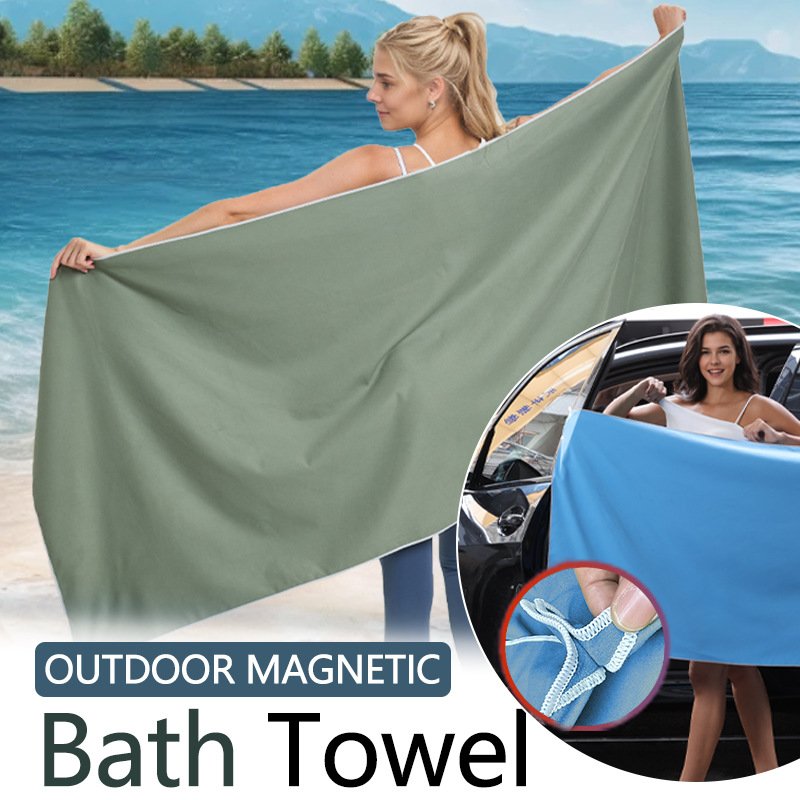
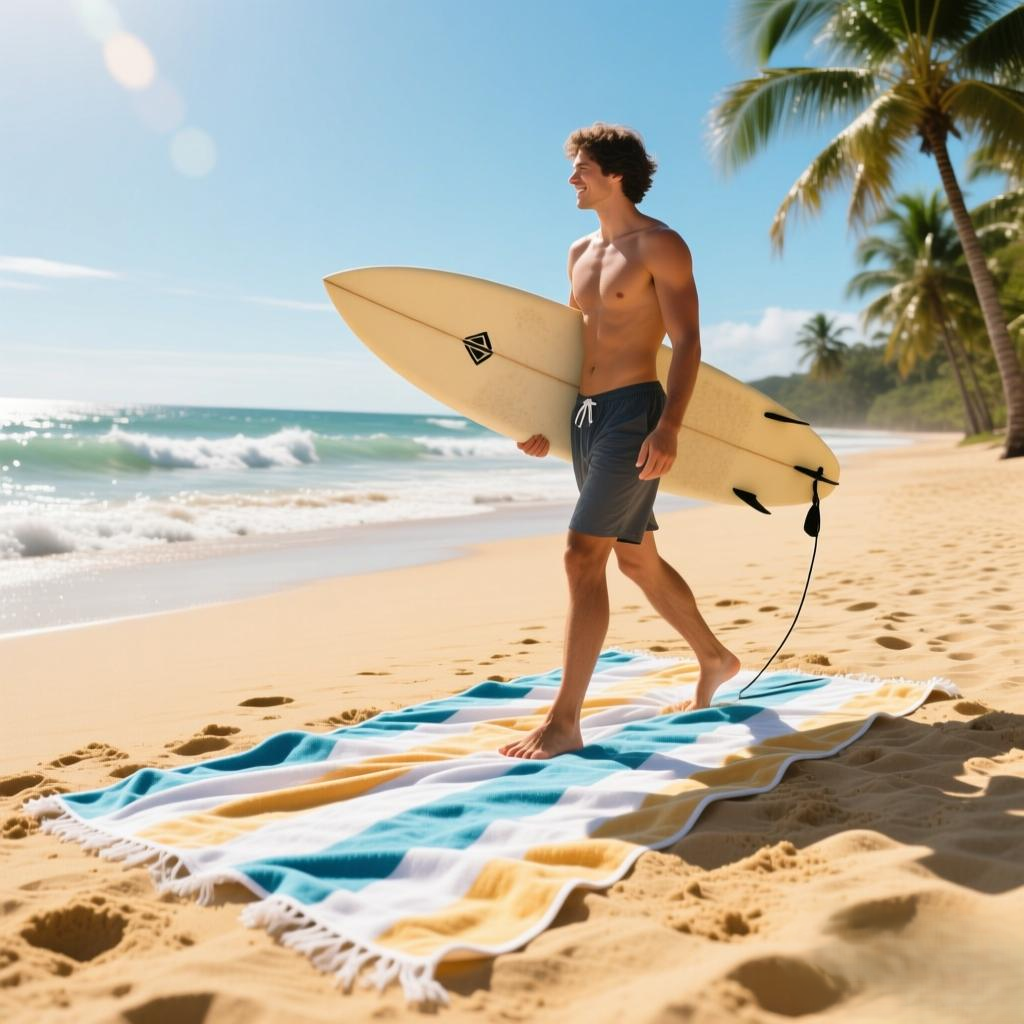
“~에 (주)페이버하우스웨어 — 15년 이상의 경험을 보유한 자격을 갖춘 비치 타월 제조업체 — 우리는 가장 거친 해변 조건을 처리할 수 있도록 모든 타월을 제작합니다. 하지만 최고의 수건이라도 그런 상태를 유지하려면 적절한 관리가 필요합니다.”
이제 기본 사항을 이해했으므로 첫 번째 중요한 관리 질문으로 넘어가겠습니다.
2. 비치 타월은 얼마나 자주 세탁해야 합니까?
이것은 대부분의 사람들이 틀리는 훌륭한 질문입니다. 게다가 너무 적게 세탁하면 박테리아와 냄새가 발생할 수 있습니다. 하지만 너무 자주 세탁하면 섬유가 더 빨리 마모될 수 있습니다. 다음은 간단한 경험 법칙입니다.
😀 일반 규칙: 비치 타월을 세탁한 후 1~2회 사용마다 해변에서, 그리고 그 이후 매번 사용 공공 수영장, 체육관 또는 혼잡한 해변에서.
| 사용 상황 | 권장 세탁 빈도 | 중요한 이유 |
|---|---|---|
| 깨끗한 해변에서 한번 사용하는 비치타월 | 1~2회 사용 후 | 모래, 소금, 바디 오일이 빠르게 축적되어 부드러움이 감소합니다. |
| 공공 수영장에서 사용되는 비치 타월 | 매 사용 후 | 염소와 공공 표면은 박테리아와 화학적 손상을 증가시킵니다. |
| 하루 종일 모래 위에 앉거나 누워서 사용하는 수건 | 매 사용 후 | 무거운 모래와 자외선 차단제는 섬유질을 막아 냄새를 유발합니다. |
| 어린이’ 비치 타월 | 매 사용 후 | 모래, 유출물, 세균에 대한 노출이 높을수록 오염 속도가 빨라집니다. |
*주요 패브릭 관리 브랜드 및 제조업체의 전문 세탁 지침을 바탕으로 한 권장 관리 간격입니다.
또한, 수건에서 곰팡이 냄새가 나거나 뻣뻣한 느낌이 든다면 기다리지 마세요. 마지막으로 세탁한 지 여부에 관계없이 즉시 세탁하세요.
3. 단계별: 해변 후에 비치 타월을 세탁하는 방법
이것은 이 전체 가이드에서 가장 중요한 섹션입니다. 따라서 우리는 이를 매우 명확하고 따르기 쉽게 만들고 싶습니다. 여기가 바로 해변 후에 비치 타월을 세탁하는 방법, 단계별로:
먼저 수건을 밖으로 가져가세요. 그런 다음 한쪽 끝을 잡고 여러 번 찰칵 소리를 내서 최대한 많은 모래를 털어냅니다. 세탁기에 대해 생각하기도 전에 이렇게 해보세요.
수건을 바닷물이나 염소 처리된 수영장에서 사용한 경우, 가능한 한 빨리 깨끗한 물로 헹구십시오. 이 단계에서는 세탁 전에 유해한 화학물질이 많이 제거됩니다. 결과적으로 수건의 수명이 훨씬 길어집니다.
자외선 차단제 자국, 태닝 오일, 음식 얼룩이 보이시나요? 소량의 액체 세제나 세제와 베이킹 소다를 섞은 반죽을 얼룩에 직접 바르십시오. 세탁하기 전에 5~10분 동안 그대로 두세요.
비치 타월은 항상 일반 옷과 별도로 세탁하세요. 모래, 보푸라기, 색 번짐으로 인해 옷이 손상될 수 있습니다. 또한 수건만 세탁하면 드럼에서 제대로 헹굴 수 있는 공간이 더 넓어집니다.
머신을 찬물이나 따뜻한 물로 설정하십시오. 중성 세제를 절반에서 최대 용량으로 사용하십시오. 가장 중요한 것은, 섬유유연제 건너뛰기. 대신 헹굼 과정에 백식초 ½컵을 추가하세요. 자연스럽게 잔여물을 제거하고 수건을 부드럽게 유지해줍니다.
최상의 결과를 얻으려면 건조기 볼을 사용하여 낮거나 중간 정도의 열에서 회전식 건조하세요. 또는 완전히 건조될 때까지 그늘에서 건조하십시오. 그런 다음 곰팡이 냄새를 방지하기 위해 완전히 건조된 후에만 수건을 보관하십시오.
💡 전문가 팁: 눈에 띄는 얼룩이 남아 있는 경우 비치 타월을 건조기에 넣지 마십시오. 건조기의 열기가 영구적으로 얼룩을 설정 섬유 속으로. 건조하기 전에 항상 확인하십시오.
4. 세탁 전 비치타월의 모래를 제거하는 방법
모래는 교활합니다. 면 루프와 테리 섬유 내부 깊숙이 숨겨져 있습니다. 더욱이, 모래 수건을 직접 세탁기에 넣으면 모래가 드럼을 긁어 수건 속에 갇힐 수 있습니다. 먼저 처리하는 방법은 다음과 같습니다.
- 야외에서 세게 흔드세요 — 수건의 한쪽 끝을 잡고 적어도 5~6회 앞뒤로 찰칵 소리를 냅니다. 대부분의 마른 모래는 즉시 떨어집니다.
- 수건을 가볍게 두드려주세요 - 난간이나 울타리 위에 걸고 손으로 가볍게 두드려 박힌 모래를 풀어줍니다.
- 젖어 있으면 먼저 말려주세요 — 젖은 모래는 직물에 훨씬 더 단단하게 달라붙습니다. 따라서 수건이 아직 바다에서 젖어 있다면, 먼저 말려주세요, 그런 다음 다시 흔들어 주세요.
- 부드러운 솔을 사용하세요 - 매우 두껍거나 촘촘하게 짜여진 수건의 경우, 부드러운 솔을 사용하면 세탁하기 전에 고리에서 모래를 쓸어내는 데 도움이 될 수 있습니다.
- 완고한 모래를 진공 청소기로 청소하세요 — 부드러운 부착물이 달린 진공청소기를 사용하는 경우 수건 표면에 부드럽게 닿아 남아 있는 입자를 들어 올릴 수 있습니다.
다음 단계를 따른 후 수건을 세탁기에 넣으세요. 게다가 이 간단한 습관은 수건과 기계의 수명을 크게 연장시킵니다.
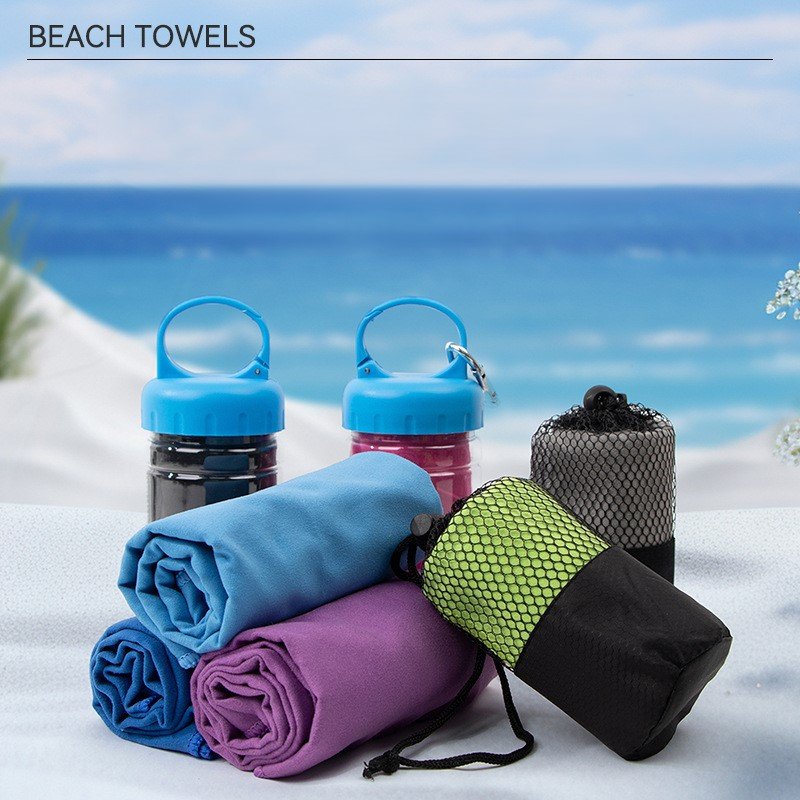
🏖️ 스마트 업그레이드: 수건에서 모래를 제거하는 것이 답답하다면 수건으로 바꾸는 것을 고려해 보세요. 모래가 없는 비치 타월. 그들은 모래를 밀어내는 특수한 촘촘한 직조를 사용하므로 간단히 털어낼 수 있습니다. 청소가 훨씬 쉬워졌어요!
5. 자외선 차단제, 기름, 잘 지워지지 않는 얼룩을 처리하는 방법
자외선 차단제 얼룩은 비치 타월을 관리할 때 가장 어려운 문제 중 하나입니다. 실제로 많은 사람들은 건조기를 통과할 때까지 얼룩을 알아차리지 못하며, 그때쯤이면 얼룩이 영구적으로 굳어집니다. 그러니 빨리 행동하세요.
산뜻한 자외선 차단제 또는 태닝 오일 얼룩의 경우:
- 액체 주방세제나 세탁세제를 얼룩에 직접 바르세요.
- 아니면 세제+베이킹소다로 반죽을 만들어서 눌러주세요.
- 오일이 분해되도록 10~15분 동안 그대로 놓아두세요.
- 그런 다음 일반 코스로 따뜻한 물로 세탁하세요.
- 건조하기 전에 얼룩을 확인하세요. 그래도 얼룩이 남아 있으면 전처리를 반복한다 말리는 대신.
셀프 태닝 마크의 경우:
- 화장솜에 과산화수소를 묻혀서 표시된 부분에 가볍게 눌러주세요.
- 그런 다음 즉시 따뜻한 물로 씻으십시오.
- 참고: 과산화수소만 사용하십시오. 밝은색 수건 탈색을 방지하기 위해.
기억해야 할 주요 규칙:
- ❌ 막 생긴 얼룩에는 절대로 뜨거운 물을 사용하지 마세요. - 열은 얼룩을 섬유에 영구적으로 고정시킵니다.
- ❌ 얼룩진 수건을 건조기에 절대 넣지 마세요 — 같은 이유: 열로 인해 얼룩이 갇히게 됩니다.
- ✅ 세탁 후에는 항상 수건을 확인하세요. 건조기에 넣기 전에
- ✅ 백식초 가벼운 기름 얼룩을 제거하는 천연 탈지제로도 사용됩니다.
“열은 얼룩의 가장 친한 친구입니다. 그러므로 항상 얼룩이 사라졌는지 치료하고 확인하십시오. ~ 전에 그 건조기 다이얼을 만진 적이 있습니까?”
6. 비치 타월에 가장 적합한 수온과 세제
올바른 수온과 세제를 선택하면 큰 차이 세탁 후 수건의 모양과 느낌이 어떤지. 사용 방법은 다음과 같습니다.
수온 가이드:
- 냉수(30°C / 86°F 미만): 밝은 색상, 어두운 인쇄물, 가볍게 사용한 수건에 가장 적합합니다. 게다가 찬물은 색이 바래는 것을 매우 효과적으로 방지합니다.
- 따뜻한 물(30~40°C / 86~104°F): 심하게 더러워진 수건, 기름진 자외선 차단제 잔여물, 흰색 수건에 가장 적합합니다. 따뜻한 물은 차가운 물보다 체지방을 훨씬 더 잘 분해합니다.
- 뜨거운 물(60°C / 140°F 이상): 철저한 살균이 필요한 흰색 수건에만 해당됩니다. 그렇지 않으면 뜨거운 물이 면 섬유를 수축시키고 수건을 거칠게 만듭니다.
비치 타월에 가장 적합한 세제:
- 선택하세요 순한 액체세제 형광증백제나 향료가 첨가되지 않았습니다.
- 사용 ½~1회 일반 복용량 - 적을수록 좋습니다. 세제를 너무 많이 사용하면 섬유가 뻣뻣해지는 잔여물이 남습니다.
- 분말 세제는 수건 고리에 용해되지 않은 입자를 남길 수 있으므로 일반적으로 액체 세제가 더 좋습니다.
- 신선함을 더하려면 다음을 추가하세요. 백식초 ½컵 섬유유연제 대신 헹굼 코스로 전환하세요.
- 백인의 경우, 산소계 표백제 (OxiClean과 같은)은 안전하고 효과적입니다. 하지만 색깔이 있는 수건에는 염소 표백제를 사용하지 마세요. 색이 바래고 약해집니다.
🙂 자연스러운 부드러움 꿀팁: 한 달에 한 번 헹굼 과정에 백식초 ½컵을 추가합니다. 이 제품은 쌓인 세제를 용해하고, 경수에서 미네랄 침전물을 제거하며, 흡수력을 감소시키지 않으면서 자연적으로 부드러움을 회복합니다.
선도적인 세탁 브랜드가 면직물 관리를 권장하는 방법에 대한 자세한 내용은 다음 지침을 참조하세요. 굿하우스키핑의 세탁관리 전문가 — 원단 관리 모범 사례에 대한 신뢰할 수 있는 외부 참고 자료입니다.
7. 비치 타월에 섬유 유연제나 표백제를 사용해야 할까요?
이것은 세탁 관리에 관한 가장 큰 신화 중 하나입니다. 많은 사람들은 섬유 유연제가 수건을 부드럽게 만든다고 생각합니다. 그러나 실제로는 시간이 지남에 따라 그 반대가 됩니다. 이것을 정리해보자.
❌ 섬유유연제 — 피하세요
- 섬유유연제는 잎이 왁스 코팅 수건 섬유에.
- 이러한 코팅으로 인해 수건이 일시적으로 부드러워집니다. 그러나 그것은 또한 섬유가 물을 흡수하는 것을 차단합니다..
- 시간이 지남에 따라 유연제로 처리된 수건은 흡수력이 점점 약해지며 이는 수건의 전체 목적을 무너뜨립니다.
- 대신에 헹굼 과정의 백식초. 더 이상 추가하지 않고 잔여물을 제거하여 섬유질을 부드럽게 만듭니다.
❌ 염소계 표백제 - 색깔이 있는 수건에는 사용을 피하세요
- 염소계 표백제는 색상을 파괴하고 면섬유를 약화시킨다 시간이 지남에 따라 크게 증가합니다.
- 소량의 염소 표백제라도 너무 자주 사용하면 흰색 수건이 황변될 수 있습니다.
- 대신에 산소 기반 광택제 백인의 경우 훨씬 더 부드럽고 똑같이 효과적입니다.
✅ “다시 놓기” 뻣뻣하고 오래된 수건을 위한 요령:
수년간 유연제를 사용하여 수건이 이미 뻣뻣해졌습니까? 다음 2단계 재설정 세탁을 시도해 보세요.
- 수건을 세탁하세요. 백식초 ½컵 — 세제가 없습니다. 오래된 유연제 코팅을 벗겨냅니다.
- 다음으로 두 번째 세척을 실행하세요. 베이킹 소다 ½컵 — 세제가 없습니다. 이렇게 하면 식초가 중화되고 섬유질이 보풀이 납니다.
- 마지막으로 건조기 볼을 이용해 약한 불로 회전식 건조시킵니다. 수건을 사용하고 나면 눈에 띄게 부드러워질 것입니다.
8. 비치 타월을 부드럽고 흡수력 있게 유지하는 방법
학습 수건을 부드럽게 유지하는 방법 몇 가지 간단한 습관을 형성하는 것이 전부입니다. 가장 효과적인 방법은 다음과 같습니다.
🧺
세탁기에 과부하를 주지 마세요한 번 세탁할 때마다 대형 비치 타월을 2~3개 이상 세탁하지 마세요. 수건이 완전히 균일하게 헹궈질 수 있도록 움직일 공간이 필요합니다.
🍶
정기적으로 식초 헹굼을 사용하세요3~4회 세탁마다 헹굼 과정에 백식초 ½컵을 추가하여 제품 축적을 제거하고 자연스러운 부드러움을 회복하세요.
⚙️
약한 불로만 건조수건이 뻣뻣하고 거칠어지는 가장 큰 원인은 고열입니다. 약한 불에서 중간 불로 사용하고 약간 축축한 상태에서 수건을 꺼내세요.
🎱
건조기 공 사용양모 또는 고무 건조기 볼은 건조 중에 수건 섬유를 분리합니다. 이렇게 하면 푹신한 느낌이 유지되고 건조 시간이 최대 25% 단축됩니다.
📏
더 높은 GSM 타월을 선택하세요GSM(제곱미터당 그램)이 높은 수건은 더 두껍고 밀도가 높아집니다. 따라서 묽어지기 전에 더 많은 세탁 주기 동안 부드러운 상태를 유지합니다.
💧
경수 처리경수는 섬유질을 뻣뻣하게 만드는 미네랄 침전물을 남깁니다. 이를 방지하려면 세탁할 때마다 연수제나 붕사 한 스푼을 첨가하세요.
9. 비치 타월 건조 방법: 회전식 건조와 라인 건조
비치 타월을 건조하는 방법은 세탁 방법만큼 중요합니다. 다행히도 몇 가지 중요한 규칙을 따르는 한 두 가지 방법 모두 잘 작동합니다.
🌀 회전식 건조
- 사용 낮음~중불 만 — 절대 높지 않음
- 추가하다 양모 또는 고무 건조기 공 보풀 섬유
- 동안 제거 약간 축축함 그리고 공기 건조를 끝내면
- 건조기 시트는 절대 사용하지 마세요 — 유연제처럼 섬유를 코팅합니다.
- 최적의 용도: 두꺼운 면 수건, 춥거나 습한 날씨
☀️ 라인 건조
- 수건 걸기 단일 레이어에서 — 레일 위로 접히지 않음
- 건조 바람이 잘 통하는 그늘진 곳 가능하다면
- 직접적인 강렬한 태양은 할 수 있습니다 색이 바래다 시간이 지남에 따라
- 자연광은 온화하다. 천연소독제
- 라인 건조 후 수건이 거칠어진 느낌이 들면 마지막에 약한 불로 10분간 짧게 회전시켜 주세요.
⚠️ 가장 중요한 규칙: 항상 비치 타월을 말리세요 완전히 접거나 보관하기 전에. 약간 젖은 수건이라도 따뜻한 날씨에는 24~48시간 내에 곰팡이 냄새가 날 수 있습니다. 그러니 접기 전에 다시 한 번 확인하세요.
10. 극세사 vs. 면 비치 타월 세탁 방법
모든 비치 타월이 동일한 것은 아닙니다. 결과적으로, 모두 같은 방식으로 세탁되지는 않습니다. 가장 일반적인 두 가지 유형 — 면 그리고 극세사 — 다양한 치료 접근 방식이 필요합니다.
| 케어 단계 | 면 비치 타월 | 극세사 비치 타월 |
|---|---|---|
| 수온 | 추운 곳에서 따뜻한 곳으로 | 콜드 전용 — 뜨거운 물은 극세사를 녹입니다. |
| 세탁주기 | 보통 또는 온화한 | 온화하게만 |
| 세정제 | 중성 액체세제 | 극소량의 중성세제만 사용 |
| 섬유유연제 | 피하다 | 절대 — 마이크로파이버를 영구적으로 막습니다. |
| 로 씻다 | 기타 면 품목 | 갈라져 — 면 보푸라기가 극세사에 달라붙습니다. |
| 건조 | 낮은 중간 열 또는 라인 건조 | 공기 건조 또는 무열 회전식 — 극세사 소재로 빠르게 건조 |
| 건조기 시트 | 피하다 | 절대 — 극세사의 청소 능력을 파괴합니다. |

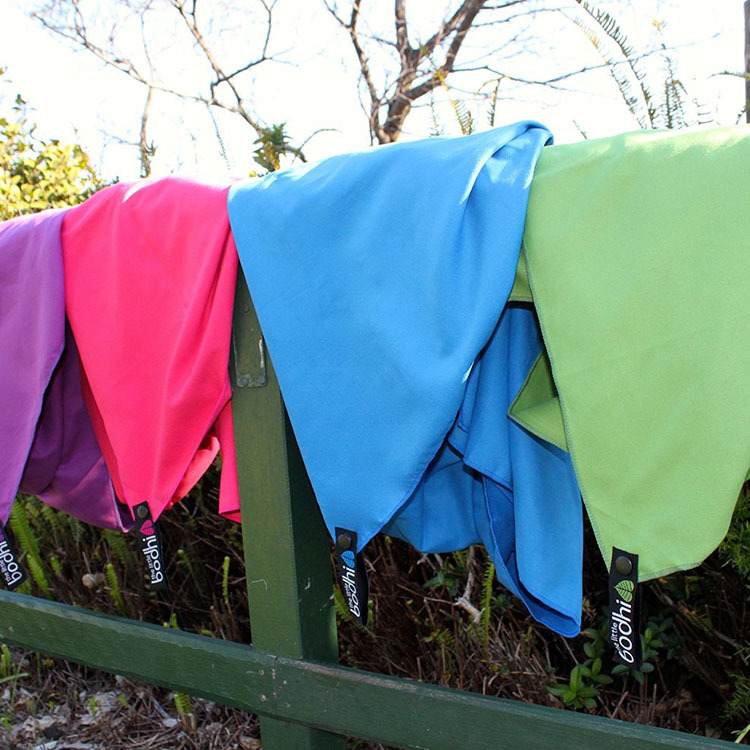
~에 (주)페이버하우스웨어, 우리는 둘 다 제조합니다 프리미엄 면 비치 타월 그리고 고품질 극세사 비치 타월 OEKO-TEX 100 인증 소재와 반응성 염료를 사용합니다. 두 제품 라인 모두 올바르게 관리하면 여러 번의 세탁 주기에도 부드러움과 색상을 유지하도록 설계되었습니다.
11. 퇴색 및 색 번짐 방지 방법
밝게 인쇄된 비치 타월은 해변에서 멋져 보입니다. 하지만 잘못 세탁하면 놀라울 정도로 빨리 퇴색될 수 있습니다. 해당 색상을 보호하는 방법은 다음과 같습니다.
- 색상별로 정렬 — 특히 처음 몇 번 세탁하는 경우에는 더욱 그렇습니다. 빛은 빛으로, 어둠은 어둠으로 씻으십시오. 새 수건은 염료가 번질 수 있습니다.
- 색깔이 있는 수건은 찬물을 사용하세요 — 따뜻하고 뜨거운 물은 염료 분자를 더 빨리 풀어줍니다. 차가운 물은 색상을 고정시킵니다.
- 색상에 맞는 세제를 선택하세요 — 다음과 같은 라벨을 찾으세요. “색상 안전” 또는 “색상 보호.” 이 세제에는 덜 공격적인 계면활성제가 포함되어 있습니다.
- 인쇄된 수건은 뒤집어서 세탁하세요. - 이는 드럼의 마찰로부터 인쇄된 표면을 보호합니다.
- 염소계 표백제를 완전히 피하세요 — 아주 적은 양이라도 인쇄된 비치 타월의 색상이 벗겨질 수 있습니다.
- 즉시 세탁기에서 꺼내세요 — 젖은 수건을 드럼에 그대로 놔두면 색상이 서로 번질 수 있습니다.
- 건조시 직사광선을 피하세요 — 강렬한 자외선에 장기간 노출되면 인쇄된 수건이 시간이 지남에 따라 퇴색됩니다. 그늘에서 건조하는 것이 색상에 더 좋습니다.
🎨 색상 보호 팁: 새 비치 타월을 처음 세탁할 때 백식초 1컵을 첨가하세요. 이것은 도움이 된다 염료를 설정하다 향후 세탁 시 색상 번짐이 크게 줄어듭니다.
12. 비치 타월 소독 방법(수영장, 체육관, 공공 해변)
대부분의 해변 사용에는 일반 가정 세탁이 적합합니다. 하지만 공공 수영장, 체육관, 사람이 붐비는 해변에서 수건을 사용한 경우 적절하게 소독해야 합니다. 방법은 다음과 같습니다.
가정용(공용 수영장 또는 체육관 사용 후):
- 세탁 수건을 담을 수 있는 가장 따뜻한 물 (케어 라벨을 확인하세요).
- 항균 특성이 있는 고급 세제를 사용하거나 소독 세탁 부스터 그것은 색상에 안전합니다.
- 반드시 완전히 건조시키세요 중간 열 - 열은 대부분의 박테리아와 병원균을 죽입니다.
- 100% 건조될 때까지 수건을 보관하지 마십시오.
호텔 및 리조트 세탁 운영의 경우:
- 사용할 때마다 기관용 세제를 사용하여 따뜻한 세탁 주기를 실행하세요.
- 유색 직물용으로 승인된 상업용 세탁 소독제를 추가하세요.
- 흰색 수건의 경우 정기적인 뜨거운 세탁(60°C)으로 표백제 없이 철저하게 살균됩니다.
- 매우 높은 온도에서 자주 세탁하거나 강한 표백제를 사용하여 세탁하지 마십시오. 그렇게 하면 타월 수명이 크게 단축됩니다.
그만큼 세탁 위생에 관한 CDC 지침 세제를 사용하여 따뜻한 물에 직물을 세탁한 후 완전히 건조하면 직물 표면에서 가장 흔한 박테리아와 바이러스가 효과적으로 제거되는지 확인합니다.
13. 퀴퀴한 냄새가 나지 않도록 비치 타월을 보관하는 방법
부적절한 보관은 곰팡이 냄새가 나는 수건의 가장 간과되는 원인 중 하나입니다. 다행히 해결 방법은 매우 간단합니다.
- 수건은 항상 완전히 건조된 상태로 보관하세요. - 이것이 가장 중요한 규칙이다. 날씨가 따뜻하면 작은 습한 곳이라도 24시간 안에 곰팡이로 변합니다.
- 절대 접어서 밀봉된 비닐봉지에 넣지 마세요. — 직물은 숨을 쉬어야 합니다. 대신에 패브릭 바구니 또는 오픈 선반 일상적인 보관을 위해.
- 단단히 포장된 보관을 피하세요 — 수건 사이의 공기 흐름이 좋아 습기가 쌓이고 곰팡이 냄새가 나는 것을 방지합니다.
- 서늘하고 통풍이 잘되는 곳에 보관하세요 — 장기 보관을 위해 축축한 욕실이나 뜨거운 자동차 트렁크를 피하십시오.
- 시즌말 보관: 깨끗이 씻어서 말린 후 접어서 바구니에 담아두세요 통기성 면 가방. 이렇게 하면 공기가 자유롭게 순환하면서 먼지를 방지할 수 있습니다.
- 삼나무 블록이나 향 주머니를 추가하세요 비수기 보관 기간 동안 자연적으로 습기를 흡수하고 나방을 퇴치하기 위해 수건 보관 장소에 두십시오.
“깨끗한 향기와 상쾌한 느낌을 주는 수건은 한 가지 간단한 습관에서 시작됩니다. 완전히 마를 때까지 절대 접지 마세요. 당연하게 들리지만, 이 한 가지 조치로 수건 곰팡이 문제의 90%를 예방할 수 있습니다.”
14. 고품질 비치 타월은 얼마나 오래 지속되나요(및 수명을 연장하는 방법)?
이 질문은 크게 다음에 달려 있습니다. 품질과 관리. 좋은 소식은 적절한 세탁과 건조 습관을 통해 고품질 비치 타월을 쉽게 몇 년 동안 사용할 수 있다는 것입니다. 데이터는 다음과 같습니다.
| 케어 레벨 | 대략. 편안한 수명 | 마모 징후 |
|---|---|---|
| ✅ 올바른 관리 (찬물 세탁, 유연제 없음, 저온 건조) | 2~3계절(~50~75회 세탁 주기) | 가장자리가 점차 얇아지고 약간 부드러워짐 - 정상적인 노화 |
| ❌ 관리 불량 (뜨거운 세탁, 섬유 유연제, 과다 건조) | 1시즌 미만(~10~20회 세탁 주기) | 뻣뻣한 섬유, 퇴색된 색상, 감소된 흡수성 - 조기 마모 |
*직물 관리 가이드에 보고된 일반적인 면 및 극세사 타월 성능을 기준으로 한 대략적인 범위입니다. 실제 수명은 GSM, 광섬유 품질 및 사용 빈도에 따라 다릅니다.
비치 타월을 교체할 때가 되었다는 신호:
- 더미에 눈에 띄게 얇거나 대머리 패치가 있음
- 풀 리셋 세탁 후에도 영구적인 강직
- 지워지지 않는 계속되는 퀴퀴한 냄새
- 가장자리가 닳거나 풀리는 현상
- 물을 흡수하는 능력이 현저히 감소합니다.
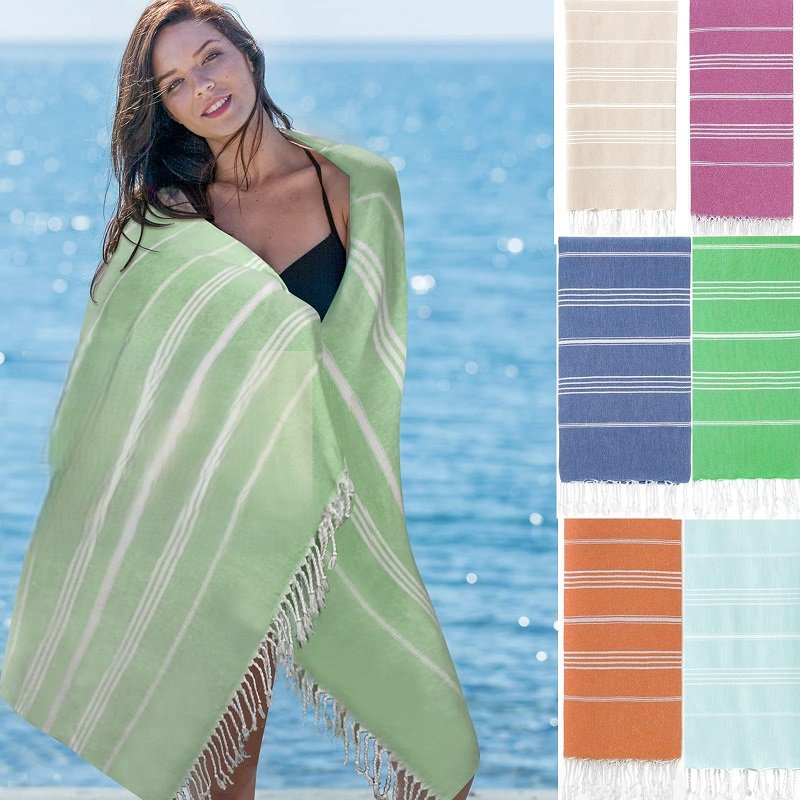
~에 (주)페이버하우스웨어, 당사의 모든 비치 타월은 고품질 코마 면사, 반응성 염료 및 이중 스티치 밑단으로 만들어집니다. OEKO-TEX 100 및 BSCI 인증을 획득한 당사의 타월은 관리가 용이하고 오래 지속되도록 제작되었습니다. 고품질 수건을 적절하게 관리하면 모든 구매에서 훨씬 더 많은 가치를 얻을 수 있습니다.
15. 비치 타월 세탁 및 건조를 위한 친환경 팁
수건에 대한 친절과 지구에 대한 친절은 실제로 밀접한 관련이 있습니다. 실제로 대부분의 친환경적인 세탁 습관은 비치 타월의 수명을 연장하는 습관이기도 합니다. 다음은 몇 가지 쉬운 녹색 교환입니다.
- 🌊 Wash in cold water whenever possible. Cold washing uses up to 90% less energy than hot. Furthermore, it protects colors and fiber strength.
- ❤️ Choose eco-certified detergents. Look for biodegradable, phosphate-free detergents. They clean just as well and are gentler on the environment and on towel fibers.
- ☀️ Line-dry instead of tumble-drying. Air drying uses zero energy. Additionally, sunlight naturally disinfects — making it both eco-friendly and hygienic.
- 🎱 Use wool dryer balls instead of dryer sheets. Dryer balls are reusable for hundreds of cycles. Dryer sheets, on the other hand, are single-use and contain chemical coatings.
- 🧺 Wash full loads only. Running a full load is far more efficient than multiple small loads. Wait until you have enough towels to fill the drum properly.
- ♻️ Choose towels made with sustainable materials. Look for OEKO-TEX certified towels and eco-friendly dyes. These use fewer harmful chemicals and are safer for waterways.
- 🔁 Extend lifespan instead of replacing. Every extra season you get from a towel means one less towel manufactured and shipped. Proper care is therefore an act of sustainability.
🌱 Sustainability Note: (주)페이버하우스웨어 produces all beach towels using eco-friendly manufacturing practices, sustainable materials, and OEKO-TEX 100 certified processes — ensuring that both the planet and your customers benefit from every towel made.
For more guidance on sustainable laundry practices, the U.S. Department of Energy’s energy-saving laundry tips are a highly credible reference on cold washing and efficient drying.
❓ Frequently Asked Questions About Washing Beach Towels
Here are the top questions people search for — with clear, direct answers.
Conclusion: Great Beach Towel Care Starts With Great Beach Towels
So there you have it — the complete guide on how to wash beach towels, how to care for them, how to keep them soft, and how to make them last as long as possible.
To summarize everything in a few simple rules:
- ✅ 세탁 전 모래를 털어주세요 — always, without exception
- ✅ Wash in cold or warm water — never hot for regular use
- ✅ Skip fabric softener — use white vinegar in the rinse instead
- ✅ Dry on low heat — or line-dry in the shade
- ✅ 완전히 건조된 후에만 보관하세요. — prevents every musty smell problem
- ✅ Start with a quality towel — because proper care multiplies the value of a great towel
That last point is where we come in.
Favor Houseware Co., Ltd. — 15 Years of Beach Towel Excellence
Ready to Stock Up on Beach Towels That Last?
We manufacture premium custom and wholesale beach towels — cotton, microfiber, Turkish, round, sand-free, and more — with OEKO-TEX 100 certification, MOQ from just 100 pieces, and fast shipping from our factory in Yiwu, China.
Free samples available (pay freight only) · BSCI · OEKO-TEX 100 · SGS · FDA certified
우리의 전체 제품군을 살펴보세요: 터키 비치 타월 · 모래가 없는 비치 타월 · 라운드 비치 타월 · 면 비치 타월 · 극세사 비치 타월 · 스포츠 쿨링 타월
조회수: 12